English
 日本語
日本語 한국어
한국어 Deutsch
Home > News > Industry News > How to Use a Heated Blanket: Setup, Safety Settings, Washing & Common Mistakes
Content
Last winter, a customer told me his new heated blanket felt cold around his feet. We checked the setup together, and the problem wasn't the blanket itself. He had tucked it tightly under the mattress, which pressed the heating elements together and blocked heat from circulating. Once he spread it flat over the fitted sheet and used the preheat function, the blanket worked as expected.
Here is the short version: use a heated blanket flat, over your fitted sheet and under your duvet or comforter, with all heating areas exposed to air rather than folded, bunched, or trapped under your body. That single layout decision prevents most heat-distribution problems.
For a typical bedroom setup, follow this order:
This arrangement lets the blanket warm the space your body occupies instead of heating the mattress underneath. Most modern blankets, including models with a full-width heating zone, perform best when they can transfer heat upward into the bedding rather than downward into the padding.
Before you plug in a new heated blanket, inspect the entire fabric surface and the cable. Look for frayed edges, damaged connectors, or a controller that does not click securely. If everything looks intact, lay the blanket flat and let it sit for an hour so the internal wires can settle into place after shipping.
Turn the blanket to its highest setting for 20 to 30 minutes while the bed is still empty. This stabilizes the heating elements and helps eliminate the temporary new-blanket odor from the fabric. Then switch to your desired sleeping temperature. If the odor continues after two or three heat cycles, stop using the blanket and let it air out completely before deciding whether further support is needed.
Most heated blankets become comfortable when you use them in one of two ways: a short high-heat preheat before you get into bed, or a sustained low-heat setting with a timer. Preheating the bed for 30 to 60 minutes at a medium-high level warms the sheets and reduces the amount of heat you need overnight. Once you are settled, lower the setting or switch to a timer function.
| Setting | Typical range | Best used for |
|---|---|---|
| Low | 29 to 33°C | Overnight sleep, sensitive skin, mild cool nights |
| Medium | 34 to 40°C | Evening relaxation, watching TV on the bed |
| High | 41 to 50°C | Rapid preheating, very cold rooms |
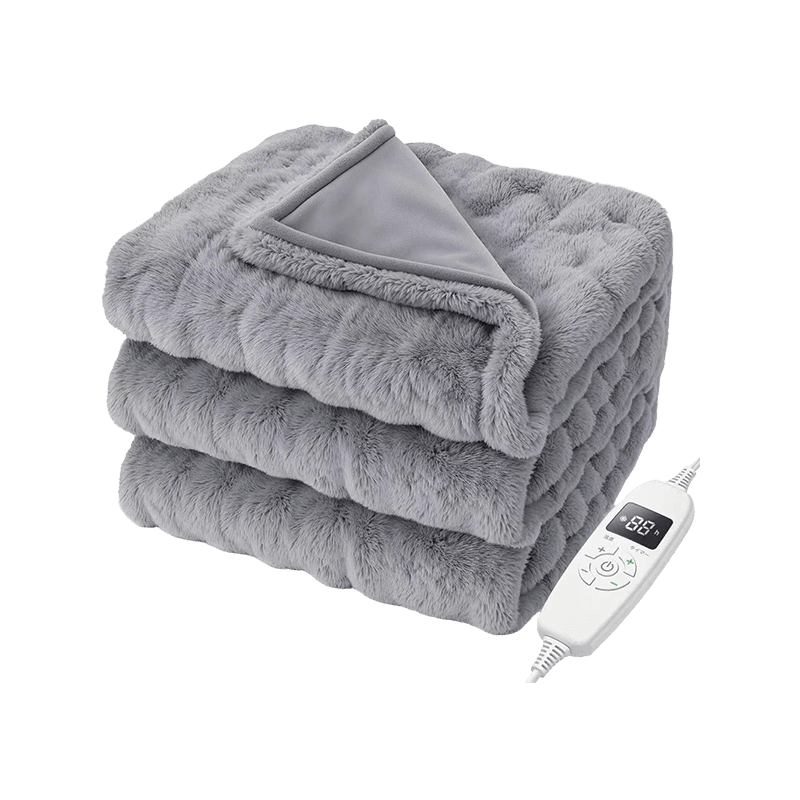
If the blanket has a timer, set it for 1 to 2 hours after you fall asleep. This is not only more energy efficient; it also reduces the risk of overheating. The multifunctional smart electric blanket in our lineup includes multiple temperature stages and an automatic shutoff timer, so you can preheat on high and then drop to a low stage without getting up.
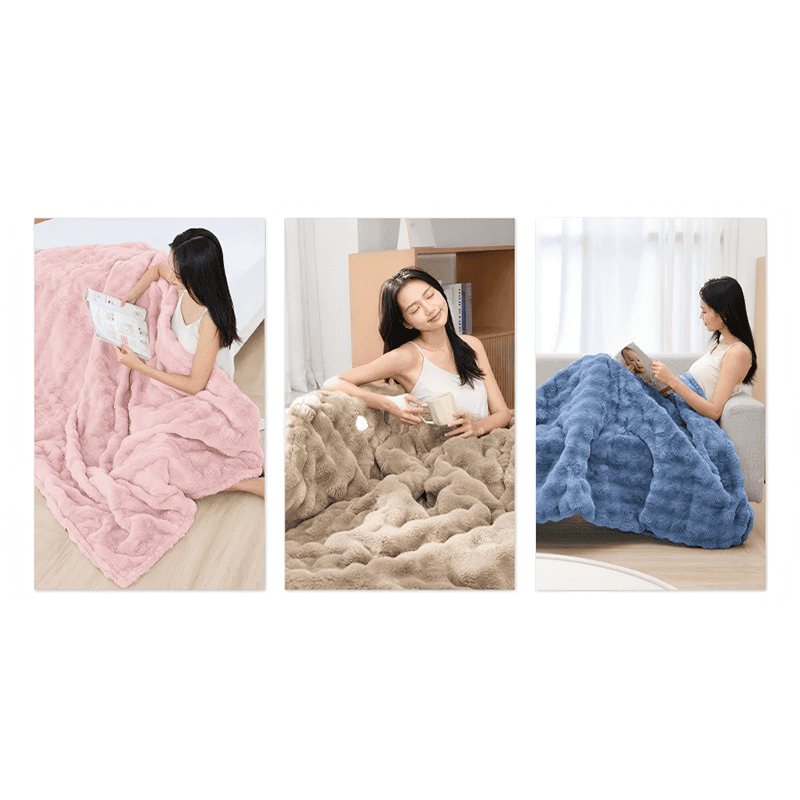 Custom Multifunctional Smart Electric Blanket Suppliers, FactoryNingbo Meeting Industrial&Trading Co., Ltd is China custom Multifunctional Smart Electric Blanket suppliers and factory. Soft, Smart &...View Product →
A useful baseline: use high only for preheating, medium for active relaxation, and low for overnight sleeping. Adjust from there based on your room temperature and bedding thickness.
The main safety risks with heated blankets are folded heating wires, moisture, and prolonged high heat under pressure. Flat placement and the right temperature settings eliminate most of these risks.
Heating product safety guidance changes as standards and testing methods evolve, so it is worth reading industry news updates to stay aware of new recommendations. If you notice any of the warning signs above, unplug the blanket and do not use it until the cause is identified.
Most indoor heated blankets can be machine washed, but only under the exact conditions printed on the label. The universal rule is to remove the power cord and controller before washing, and never submerge those parts in water.
Lay the blanket flat on a drying rack or tumble dry on the lowest heat setting if the label allows it. A hot tumble cycle can crack the plastic insulation around the internal wires. Once dry, roll the blanket loosely around a cardboard cylinder if possible, or fold it with the cords relaxed. Storing it rolled rather than tightly folded reduces stress on the heating elements at the fold points. Keep it in a dry place away from direct sunlight.
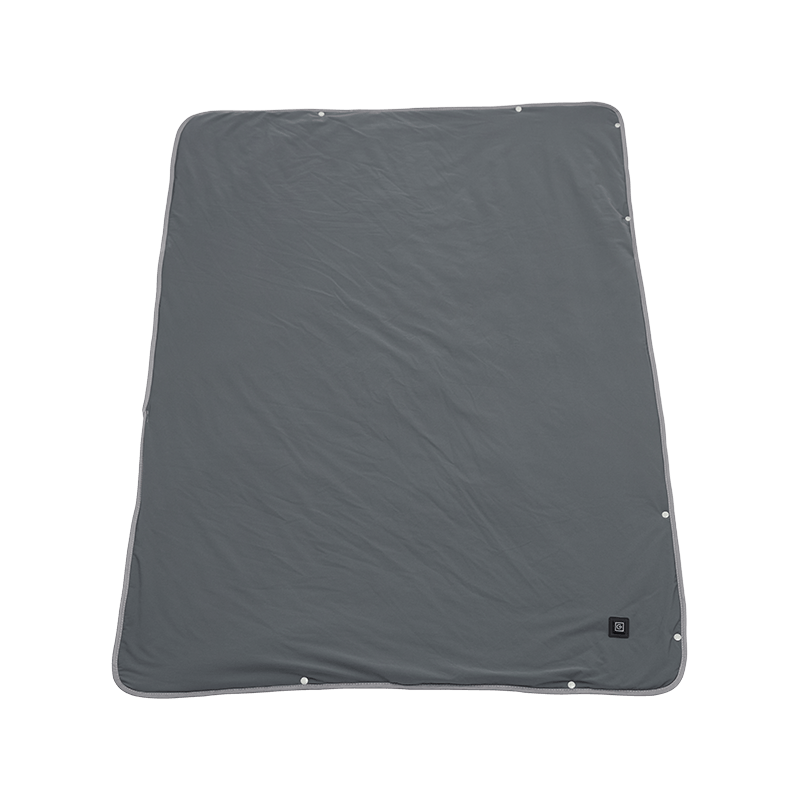
If your goal is to stay warm at a football game, on a camping chair, or in a drafty garage, an indoor electric blanket is not the right tool. Outdoor heated blankets use a tougher outer fabric and a lower-voltage system, so they handle abrasion and uneven surfaces better than household models.
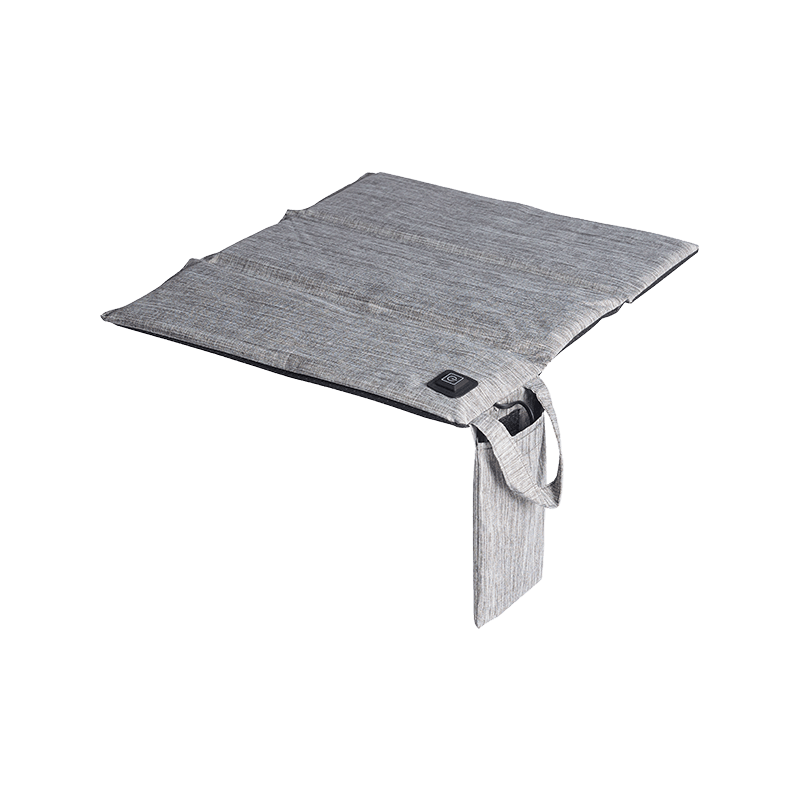
A wear-resistant outdoor heated blanket is a better match for these conditions. It can be draped over knees, wrapped around shoulders, or laid on a seat without the risk of damaging delicate indoor heating mats. Look for anti-slip backing and a controller that can be clipped to your clothing or gear so the cable does not pull on the connector.
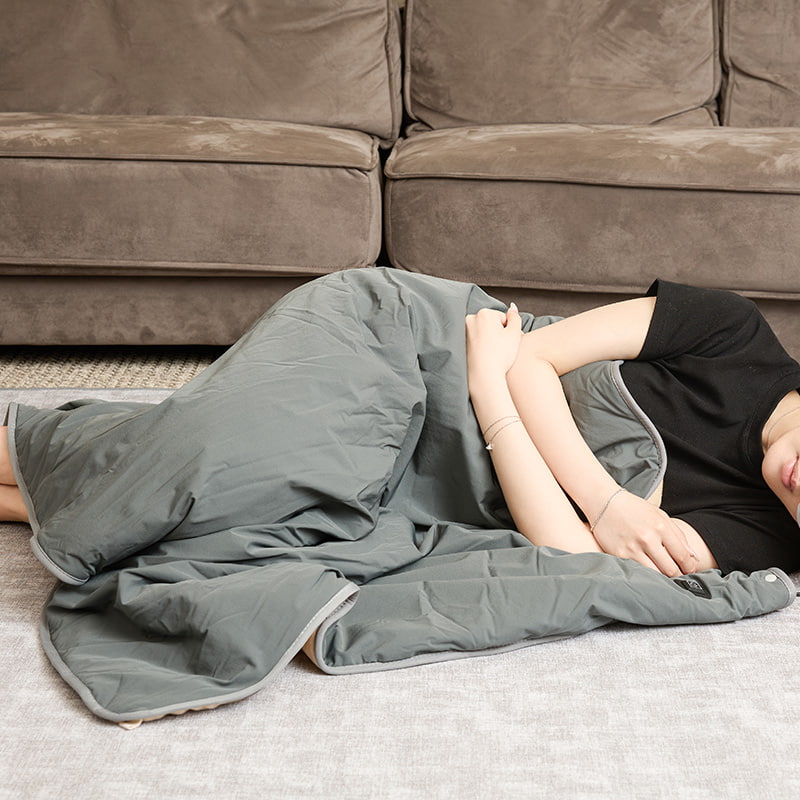 Custom Wear-resistant Outdoor Heated Blankets Suppliers, FactoryNingbo Meeting Industrial&Trading Co., Ltd is China custom Wear-resistant Outdoor Heated Blankets suppliers and factory. Portable Warmth,...View Product →
When using it outdoors, keep the power source dry. If the blanket runs from a portable power bank or a 12V adapter, route the cable away from walking paths and sharp edges.
Most "my blanket is not heating" issues come from something simple. Start with the power supply, then move to the blanket itself.
When the blanket still does not heat evenly, runs too hot, or shows cut insulation, do not cut the fabric to repair the wires. Replace the blanket. A field-stripped heating wire is a fire risk. If you bought the blanket recently and it fails after these checks, contact our support team with the model number and purchase information.
The first time you wash a heated blanket, the process feels slightly risky. You are placing a product filled with wires into water, and a mistake can shorten its lifespan or damag...
READ MOREYou settle onto the couch on a cold winter evening, blanket spread across your lap, and hesitate before reaching for the plug. How much electricity will this actually use? Most he...
READ MOREFalling asleep quickly and staying asleep through the night depend on more than just a dark, quiet room. Body temperature plays a central, often underappreciated role in the sleep...
READ MOREAs households increasingly seek ways to stay comfortable while managing energy costs, the Energy-Efficient Smart Heated Throw Blanket has emerged as a practical solution that blen...
READ MOREChoosing the Right Handheld Cooling Fan: Quick Answer The best handheld cooling fan for most people is a rechargeable, dual-blade or bladeless model with at least 3 speed settings...
READ MOREThe heated eye mask is good for your eyes in most cases — particularly for people suffering from dry eye disease, meibomian gland dysfunction (MGD), eye fatigue, or poor sleep. Wh...
READ MORE