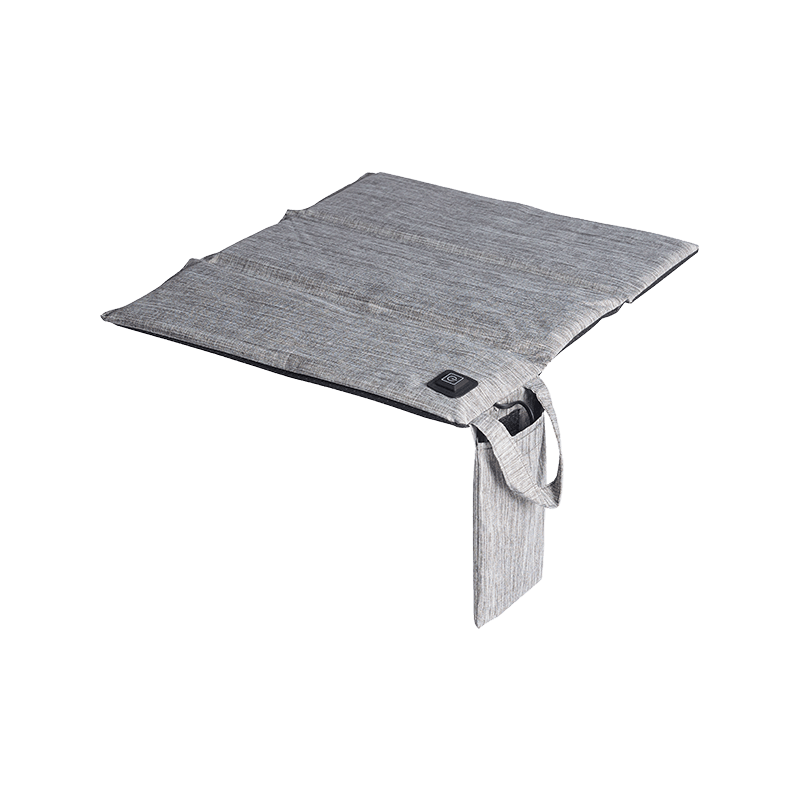
What is the mechanism by which an outdoor heated seat pad affects blood circulation and muscle relaxation in low-temperature environments?
In cold outdoor environments, local blood vessels constrict and blood flow slows down, leading to muscle stiffness, joint discomfort, and a sensation of cold. Heated seat pads provide a continuous, moderate heat output that positively intervenes in these physiological responses.
Mechanism for Improving Blood Circulation: When the seat pad's surface temperature rises to a range tolerable for the human body (approximately 40°C–45°C), thermal receptors in the skin and superficial muscle tissues are activated, causing blood vessels to dilate and increasing local blood flow. The enhanced blood flow delivers oxygen and nutrients, aiding muscle relaxation while facilitating the removal of lactic acid and metabolic waste, thereby alleviating soreness and tightness. For users sitting outdoors for extended periods—such as during camping, fishing, or picnicking—improved local circulation significantly reduces stiffness and cold-related discomfort.
Muscle Relaxation Effects: Thermal stimulation reduces muscle fiber tension, allowing fibers to extend naturally and alleviating cold-induced muscle contractions. This thermal effect specifically targets the muscles of the lower back, buttocks, and posterior thighs, helping to maintain a comfortable sitting posture and body stability, while preventing the muscle tension and pain often caused by prolonged sitting.
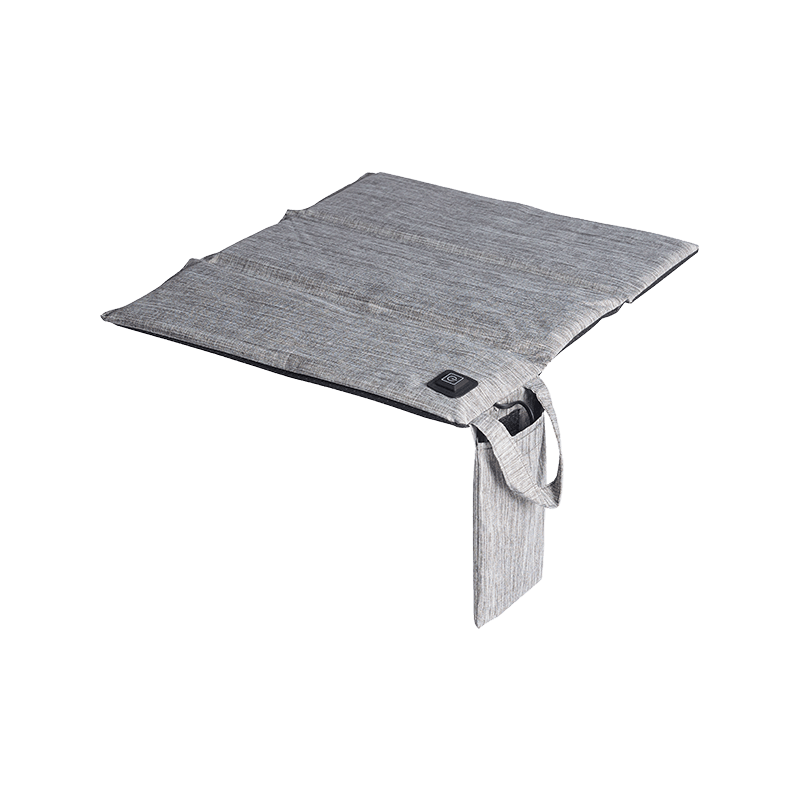
Advantages of Ergonomic Design: High-quality outdoor heated seat pads typically feature designs that conform to the body's contours and utilize flexible heating films or carbon fiber heating wires to distribute heat evenly across the contact areas of the lower back, buttocks, and thighs. A multi-layer structural design (heating layer + thermal conduction layer + cushioning layer + surface fabric) not only improves heat transfer efficiency but also optimizes heat diffusion across the contact surface, thereby enhancing the benefits to blood circulation and muscle relaxation.
How are the risks of low-temperature burns and overheating managed during prolonged outdoor use?
Although the temperature of heated seat pads is generally lower than the threshold for conventional burns, prolonged contact can still result in low-temperature burns; additionally, high-power settings may lead to localized overheating.
Mechanism of Low-Temperature Burns
Low-temperature burns typically occur at temperatures between 40°C and 50°C. Prolonged exposure to localized heat causes the gradual denaturation of skin proteins; symptoms—such as redness, swelling, a burning sensation, or pigmentation changes—may not appear until several hours later. Such burns pose a particular risk during outdoor activities, as users may be deeply focused on tasks like fishing, picnicking, or driving, making it difficult to notice the injury in time.
Risk Control Measures
- * **Smart Temperature Control System**: Heated seat pads feature built-in sensors and microprocessors that monitor surface temperature in real-time and automatically adjust power output to prevent overheating.
- * **Automatic Timer/Shut-off**: Many outdoor heated seat pads are designed to shut off automatically after 30–60 minutes or prompt the user to stop using the device, thereby avoiding prolonged, continuous heating.
- * **Adjustable Temperature Settings**: Low-heat settings maintain comfort over extended periods, making them ideal for long outdoor activities, while medium- and high-heat settings provide rapid warming for shorter durations.
- * **Thermal Insulation and Uniform Heat Distribution**: Multi-layer construction and optimized heat distribution prevent localized "hot spots," reducing the risk of burns.
User Precautions**
- * Vulnerable groups (children, the elderly, and individuals with impaired sensory perception) should use the low-heat setting and take frequent breaks during use.
- * Users should shift positions occasionally during prolonged sitting to avoid exposing the same area to heat for too long.
- * Regularly inspect the product for uniform heating and check the status of the temperature control system to ensure safe operation.
How do heated seat pad temperature control systems maintain stability in cold, windy, and damp environments?
Outdoor environments are often far more complex than indoor ones. Low temperatures, strong winds, humidity, precipitation (rain or snow), and fluctuating ground temperatures can all affect a heated seat pad's performance. Therefore, a high-quality outdoor heated seat pad must do more than simply provide heat; it requires an advanced temperature control system and a reliable structural design to deliver consistent, safe heat output across a wide range of environmental conditions.
Environmental Challenges to Heating Performance
In outdoor settings, the rate of heat loss is typically much higher than in indoor environments. For example:
- * Cold air draws heat away from the surface;
- * Wind accelerates heat loss;
- * Damp environments can reduce the fabric's thermal insulation performance;
- * Low temperatures can affect battery output efficiency.
If a product lacks an effective temperature control system, users may experience fluctuating temperatures or even insufficient heating.
How the Smart Temperature Control System Works
Modern outdoor heated seat pads typically employ closed-loop temperature control technology.
The system primarily consists of the following components:
Temperature Sensors
Multiple temperature sensors are installed within the heating zones.
Their functions include:
- Real-time monitoring of surface temperature;
- Detecting changes in ambient temperature;
- Identifying areas with abnormal localized temperatures.
This data is continuously transmitted to the control system.
Microprocessor Control Module
The temperature control chip automatically adjusts the output power based on data feedback from the sensors.
For example:
- Automatically increasing output power when the external temperature drops;
- Reducing power when the target temperature reaches the set value;
- Limiting heating promptly if localized overheating occurs.
This dynamic adjustment mechanism effectively maintains a consistent heating experience.
Multi-level Temperature Adjustment
Most outdoor heated seat pads offer:
- Low-temperature mode (approx. 35°C–40°C)
- Medium-temperature mode (approx. 40°C–45°C)
- High-temperature mode (approx. 45°C–50°C)
Users can freely switch between modes based on weather conditions and personal preference.
The Importance of Moisture and Wind Resistance
In addition to the electronic control system, the product's structural design is equally critical.
High-quality outdoor heated seat pads typically feature:
Water-Resistant Fabrics
For example:
- TPU-coated fabrics
- Water-repellent polyester
- Moisture-resistant composite fabrics
These materials help prevent moisture from penetrating the internal heating system.
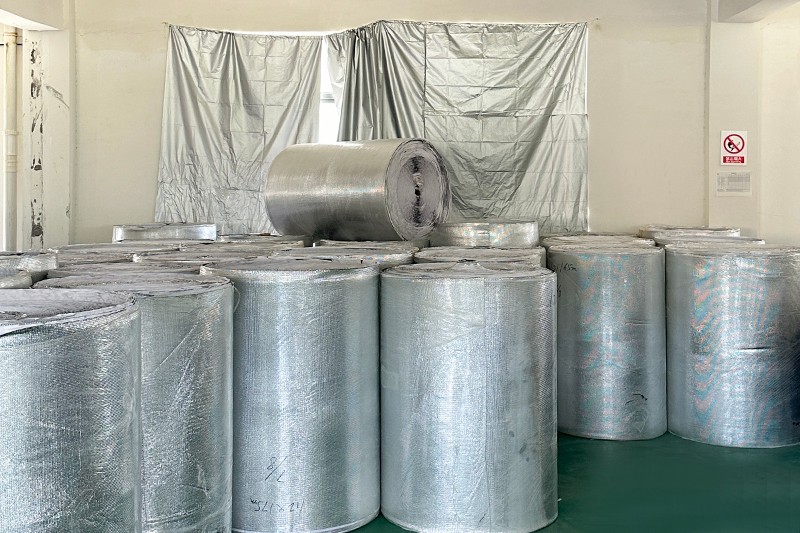
Multi-layer Thermal Insulation Structure
Typically includes:
- Heating layer
- Heat-conducting layer
- Insulation layer
- Protective layer
This structure minimizes outward heat loss and improves heating efficiency.
Sealed Connection Design
Interfaces and wiring areas typically feature enhanced insulation and sealing to minimize the risk of short circuits during rain or snow.
How Manufacturing Capabilities Affect Temperature Stability
The stable performance of a temperature control system depends not only on the design but also heavily on manufacturing quality.
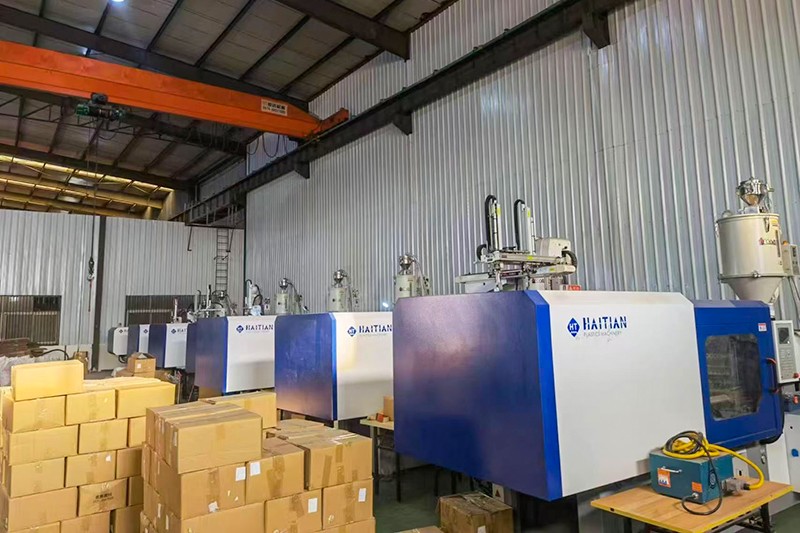
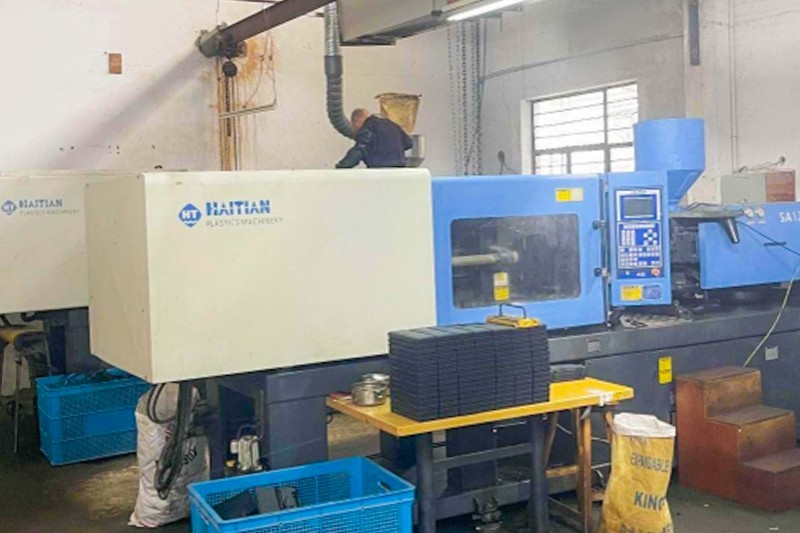
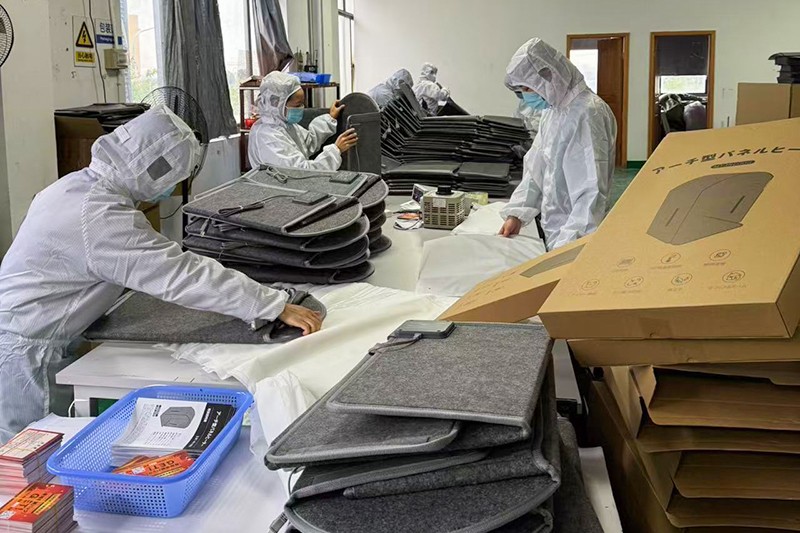
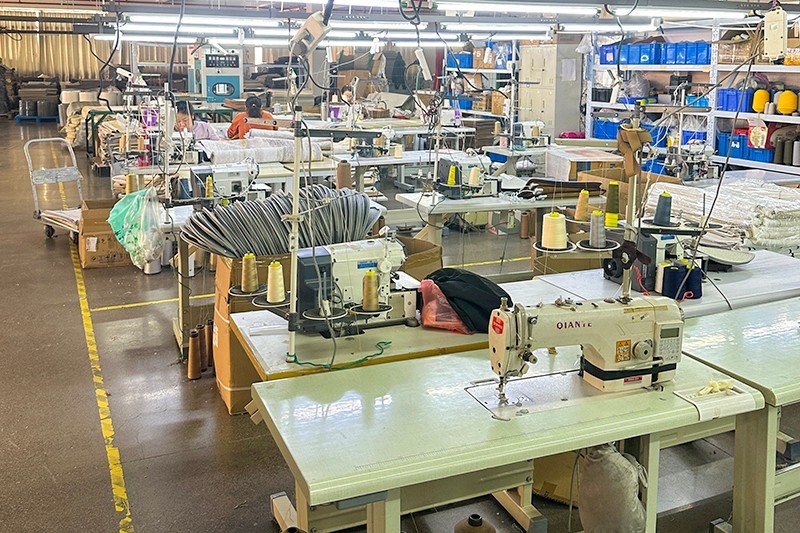
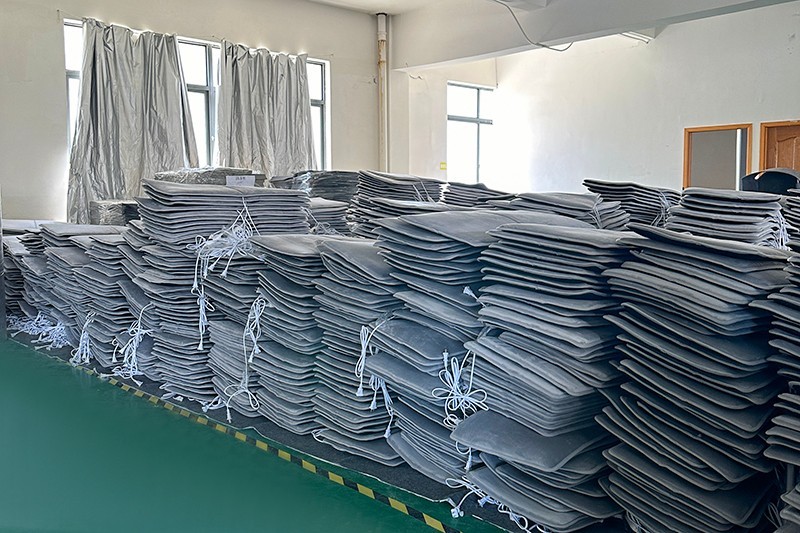
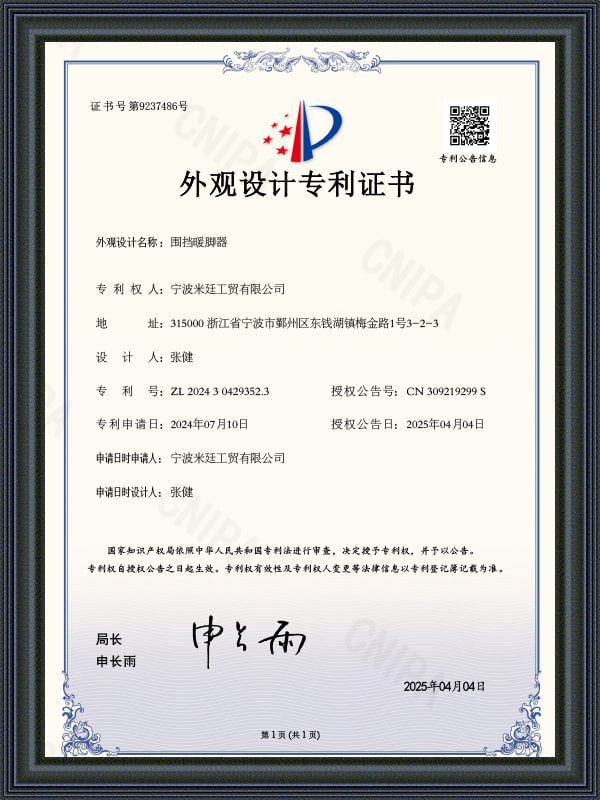
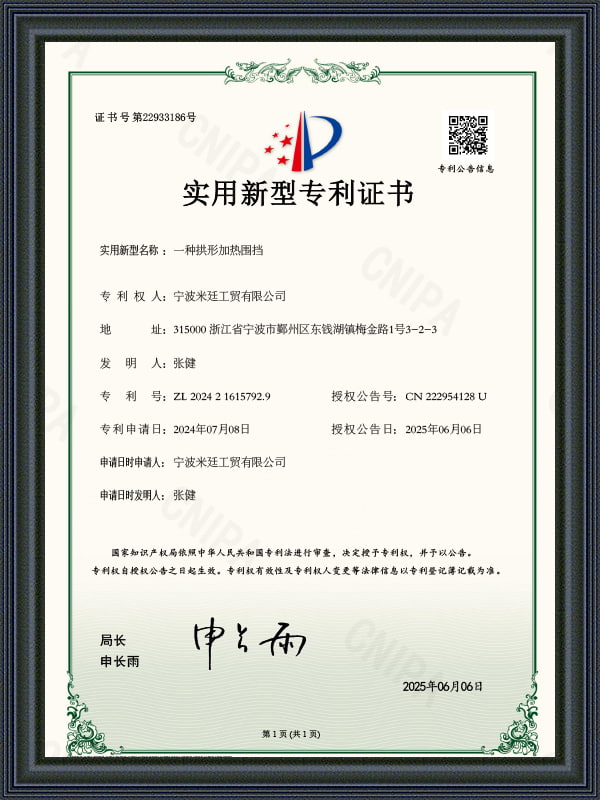
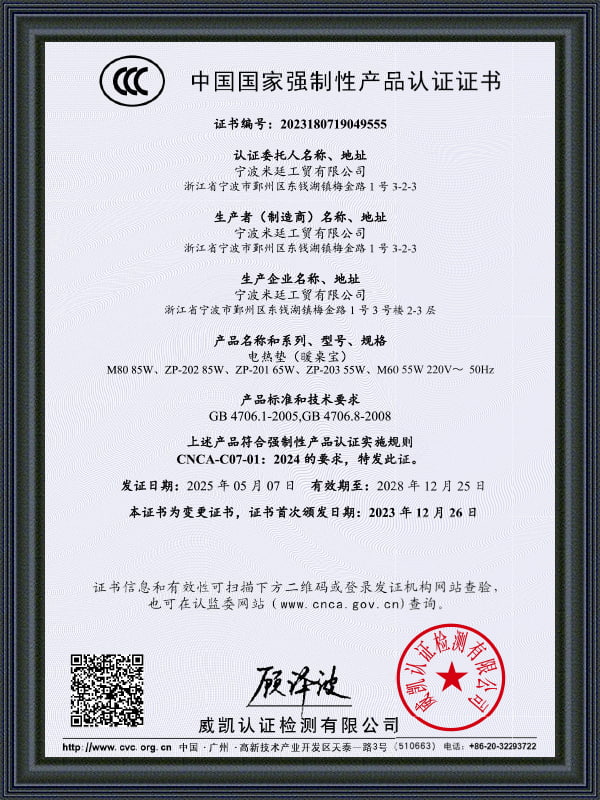
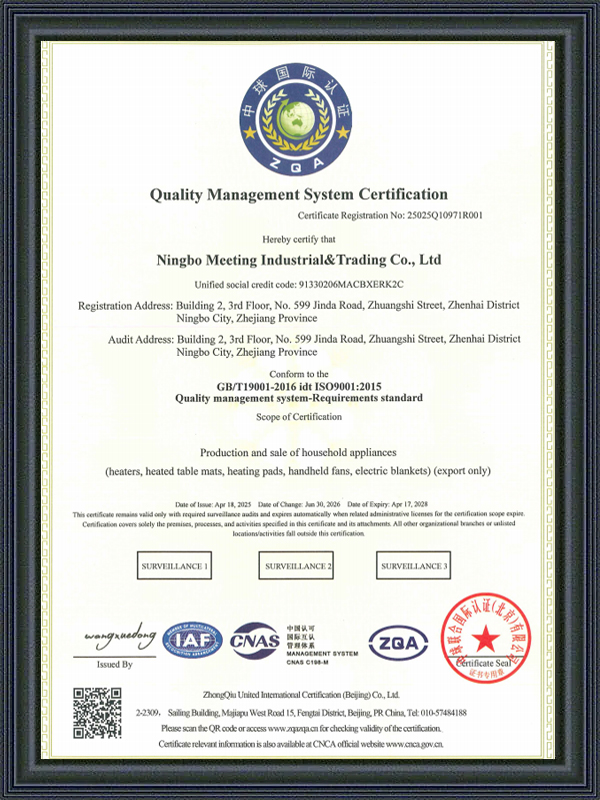
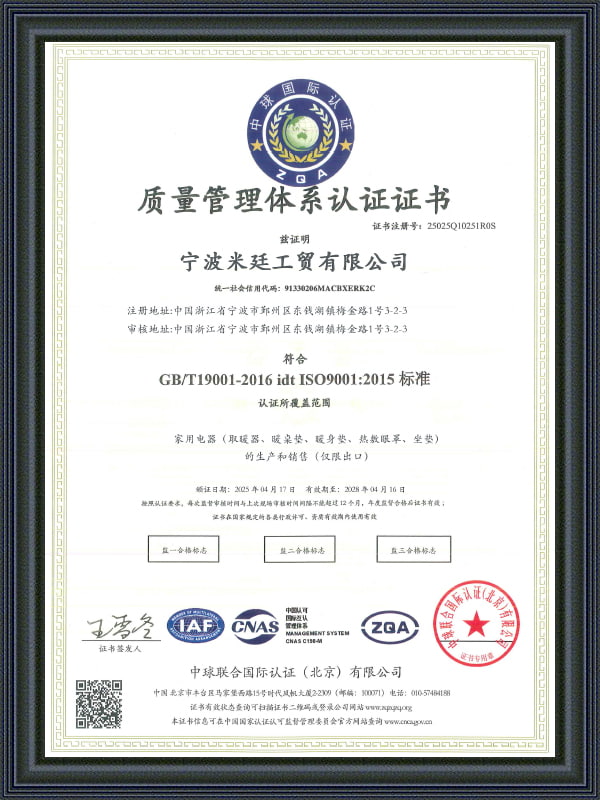
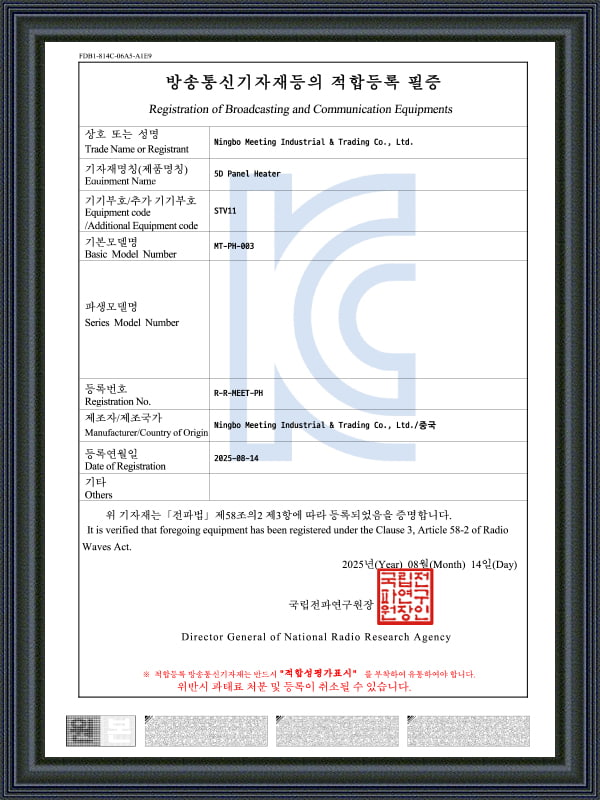
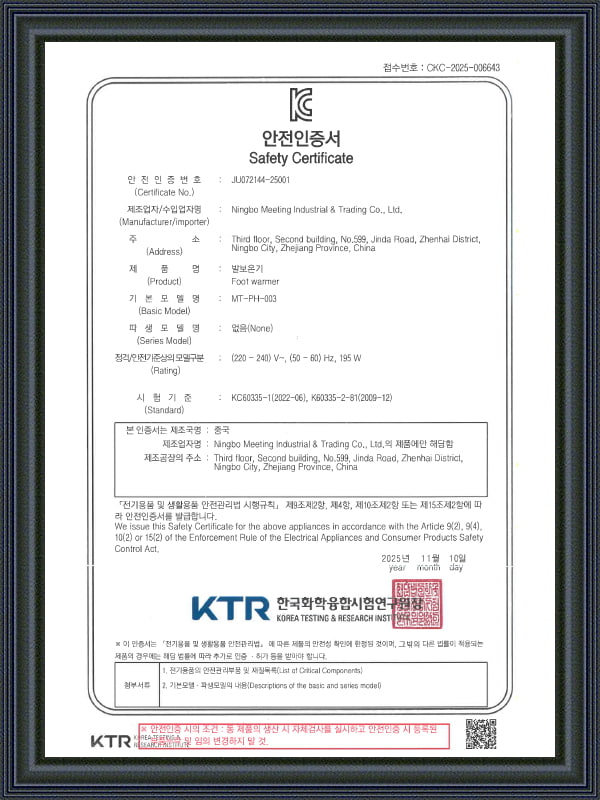
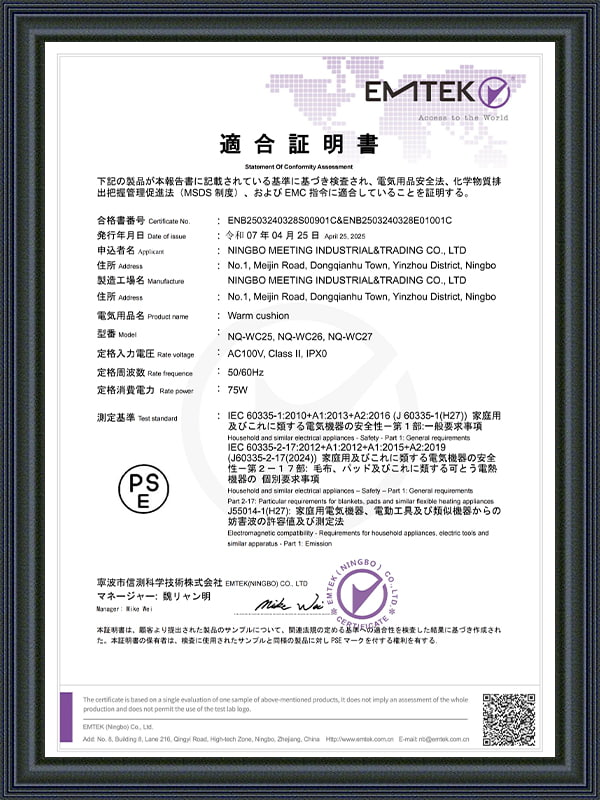
Ningbo Meeting Industrial & Trading Co., Ltd established in 2023, the company is a comprehensive manufacturer integrating R&D and production of home appliances. It operates a production facility spanning approximately 5,000 square meters, covering the entire production chain—from injection molding and sewing to assembly and finished product manufacturing—thereby ensuring quality control from components to the final product.
For the Outdoor Heated Seat Pad, this vertically integrated production model offers distinct advantages:
- Precise control over the installation position of heating elements;
- Consistent placement of temperature sensors;
- Guaranteed quality in sewing craftsmanship and waterproofing structures;
- Improved assembly precision and long-term reliability.
As a manufacturer specializing in heating and cooling appliances as well as furniture-related home products, Ningbo Meeting places a strong emphasis on **practicality, safety, and market adaptability**. This philosophy ensures that the products not only meet daily usage needs but also perform well in various outdoor scenarios, such as camping, fishing, and watching sporting events.
Comprehensive Assessment
For an Outdoor Heated Seat Pad to maintain stable performance in challenging environments—such as those with wind chill or high humidity—multiple technologies must work in concert:
- Real-time monitoring via smart temperature sensors;
- Dynamic power output adjustment by a microprocessor;
- Multi-level temperature control to suit different environmental needs;
- Waterproof, windproof, and thermal insulation structures to minimize heat loss;
- Mature manufacturing processes to ensure long-term reliability.
The ultimate goal is: Whether at a cold campsite, in outdoor spectator stands, or during winter fishing, users enjoy a consistent, even, and safe warming experience.
How do different temperature settings affect human comfort and warmth retention during outdoor activities?
Temperature settings directly impact user comfort, warmth retention, and safety during outdoor use.
Low-Temperature Setting (approx. 35°C–40°C)
- Provides gentle warmth; suitable for prolonged sitting or mildly cold environments.
- Helps maintain blood circulation without rapid temperature spikes.
- Low risk; suitable for the elderly or children.
Medium-Temperature Setting (approx. 40°C–45°C)**
- Provides noticeable warmth; quickly relieves muscle stiffness.
- Ideal for camping in spring/autumn or fishing in autumn/winter.
- Suitable for continuous use over short periods (15–30 minutes); comfortable and safe.
High-Temperature Setting (approx. 45°C–50°C)**
- Heats up rapidly; provides short-term warmth in extremely cold environments.
- Not suitable for prolonged continuous use due to the risk of localized overheating.
- Suitable for initial warming or restoring body temperature; requires automatic shut-off timers and smart temperature control.
Usage Scenarios and Individual Differences**
- Winter outdoor camping, skiing, or mountaineering: Use the high setting briefly to warm up, then switch to medium or low settings to maintain comfort.
- Windy/cold conditions or long periods of sitting outdoors: The medium setting helps maintain blood circulation and muscle relaxation over extended periods.
- Individual differences: Elderly individuals or those with poor circulation should start with the low setting and gradually acclimate.
Overall Assessment
Proper temperature settings enhance warmth while balancing safety and comfort. High settings are ideal for quick, short-term heat therapy, whereas medium and low settings are better for maintaining warmth and comfort over longer periods. This approach achieves the optimal balance of improved blood circulation, muscle relaxation, and overall comfort during outdoor activities.


 English
 日本語
日本語 한국어
한국어 Deutsch