How can portable electric heating pads be used safely while traveling or outdoors?
When using portable electric heating pads during travel or outdoor activities, the core safety principles can be summarized as follows: power safety, environmental protection, time management, and proper usage posture.
Power and Charging Safety: Most portable heating pads are powered by lithium batteries. Ensure the battery is in good condition during use and avoid overcharging, over-discharging, or using non-original chargers. When charging outdoors, use certified power banks or adapters to prevent unstable currents from causing overheating or circuit damage.
Environmental Adaptability: Outdoor environments may involve humidity, low temperatures, or rain. Unless the product has a high waterproof rating, avoid direct contact with water sources or damp ground. Use a waterproof bag or an insulating cloth as an extra layer of protection to prevent water from entering the circuitry.
Duration and Temperature Control: Limit usage to 15–30 minutes per session outdoors. Avoid prolonged, continuous high-temperature heating—especially when the pad is covered by clothing or inside a sleeping bag—as heat can accumulate and cause localized overheating.
User Groups and Posture: Sensitive individuals (such as the elderly, children, or those with reduced skin sensitivity) should use the device at lower temperatures and avoid keeping it in one position for extended periods. Shift the pad slightly or use it intermittently to prevent localized pressure from impairing blood circulation.
The overarching principles are safe power supply, moisture protection, short usage times, and controlled temperatures; following these ensures you can fully enjoy the convenience and comfort of portable heat therapy.
How should portable electric heating pads be properly cleaned and maintained to extend their lifespan and ensure safety?
Since portable electric heating pads contain internal batteries and heating elements, maintenance focuses on: waterproofing, preventing breakage, mitigating battery aging, and proper cleaning.
Safety Precautions Before Cleaning: You must disconnect the power and remove the battery or controller (if the design allows for detachment) to ensure the device is completely unpowered, thereby preventing the risk of short circuits or electric shock.
Proper Cleaning Methods
- Daily care: Wipe the surface with a soft, slightly damp cloth.
- Stains: Gently wipe with a neutral detergent.
- Prohibited: Do not wash with water, soak, machine wash, or scrub vigorously.
Such actions can cause moisture to penetrate internal circuitry or damage the insulation layer.
Folding and Storage: Avoid folding the heating area for extended periods; instead, store the item by rolling it loosely or laying it flat. Pressure from heavy objects can cause fatigue or breakage in the heating wires—a common cause of damage.
Battery and Electronic Component Maintenance: When not in use for a long time, store the device with approximately 50% battery charge to prevent damage caused by complete depletion. Periodically check for swelling, abnormal heating, or unstable charging.
Waterproof Layer and Structural Inspection: For products frequently used outdoors, regularly inspect the stitching, waterproof coating, and the sealing of connection points to prevent performance degradation.
The core principles are: gentle cleaning, avoiding water ingress, minimizing folding, and monitoring battery status; following these guidelines can significantly extend the product's lifespan and ensure safety.
How do portable electric heating pads ensure safety and even heating through their temperature control systems?
The core objective of a portable electric heating pad's temperature control system is to achieve safe temperature regulation, even heating, and multiple protection mechanisms. This is typically accomplished through a combination of three elements: material control, electronic control, and structural design.
Self-Limiting Temperature Characteristics of Heating Materials: Mainstream portable electric heating pads typically utilize PTC ceramics, carbon fiber, or self-limiting heating wires. These materials possess a characteristic where rising temperature leads to increased resistance and decreased power output; this physically inhibits overheating and mitigates safety risks at the source.
Sensors and Closed-Loop Control Systems: Temperature sensors are embedded within the device to monitor the temperature of the heating area in real-time and feed data back to the control chip. The chip automatically adjusts the current output based on the set temperature, maintaining a stable, safe, and comfortable range of approximately 40–50°C and preventing excessive temperature fluctuations.
Multiple Safety Protection Mechanisms: Systems are typically equipped with thermal fuse protection, battery overload protection, and mechanisms for handling abnormal power loss. Even if the main control system fails, a physical safety mechanism can cut off the power supply, thereby mitigating risk.
Uniform Heating Structural Design: By optimizing the layout density of heating wires or employing flexible heating film technology, heat distribution is made more uniform. This eliminates localized hot spots, enhancing both user comfort and safety.
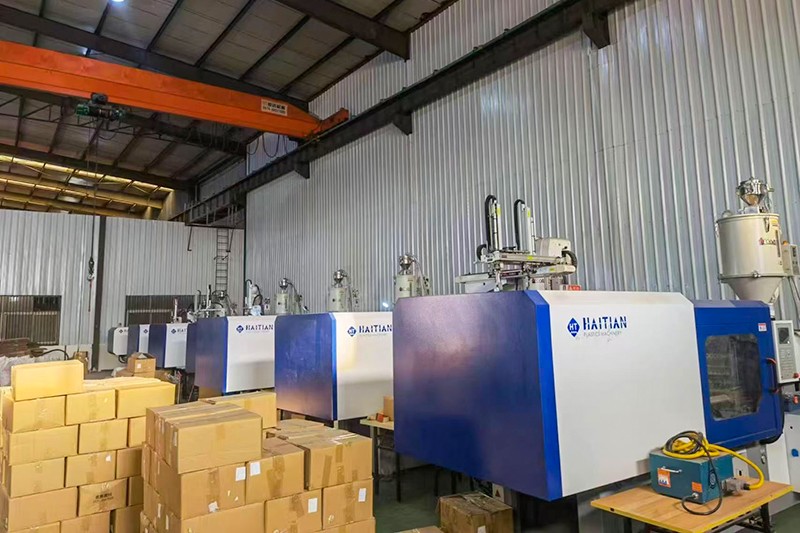
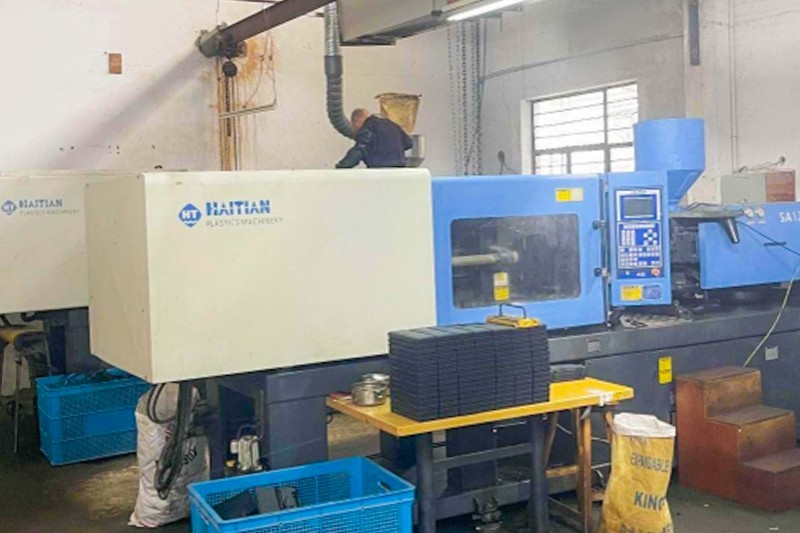
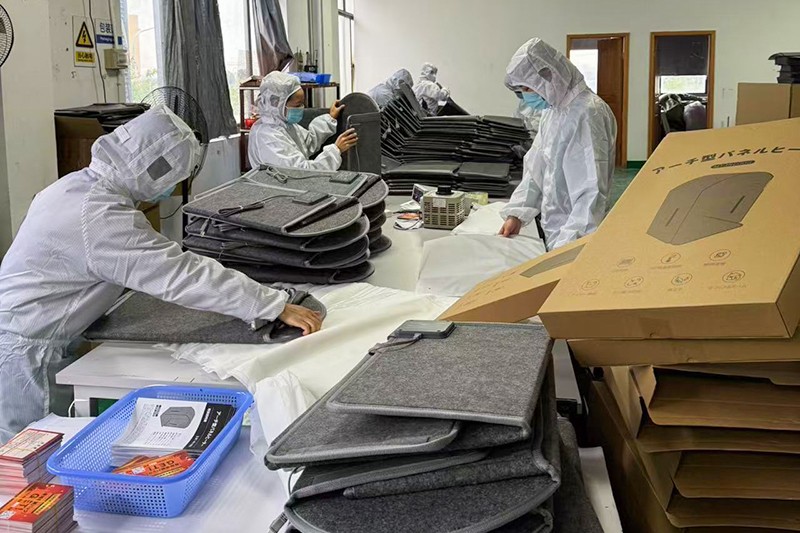
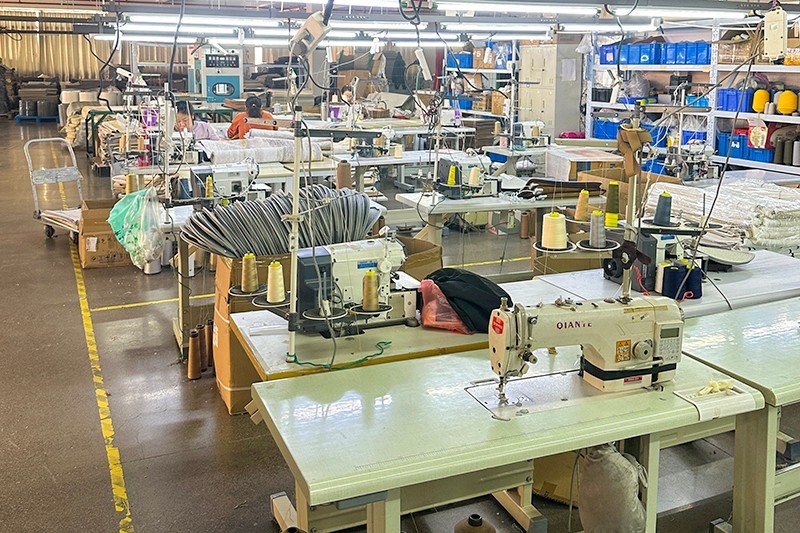
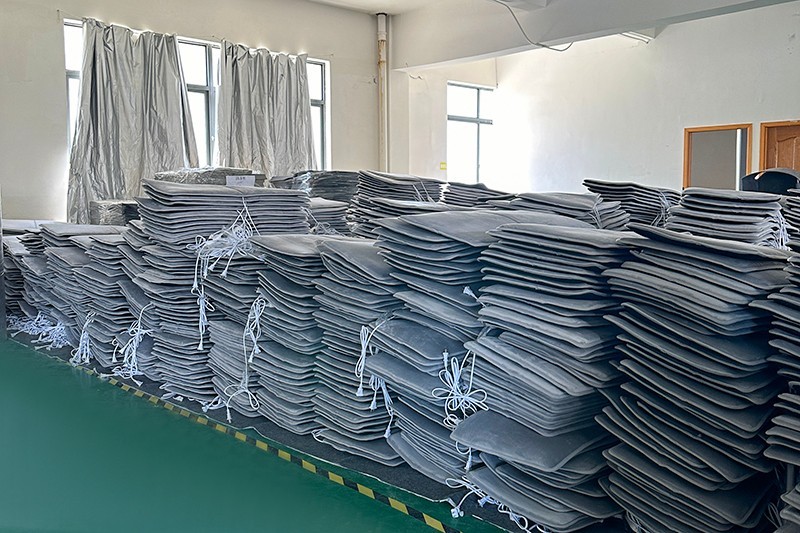
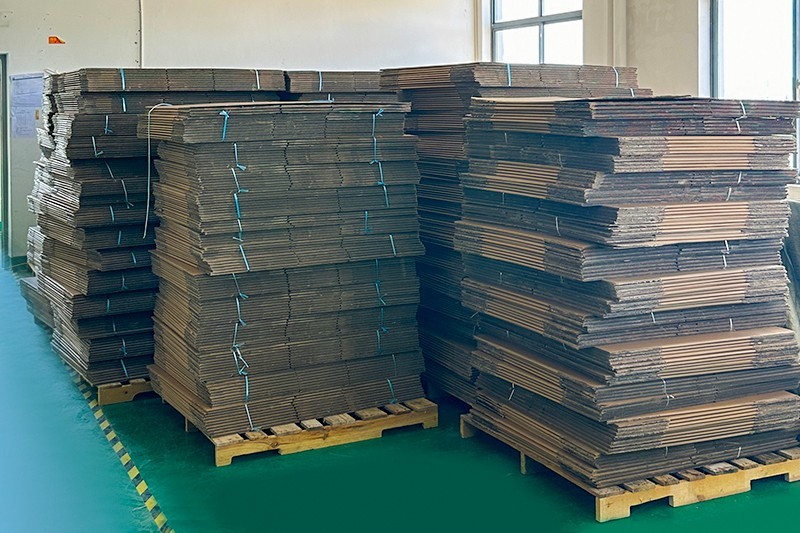
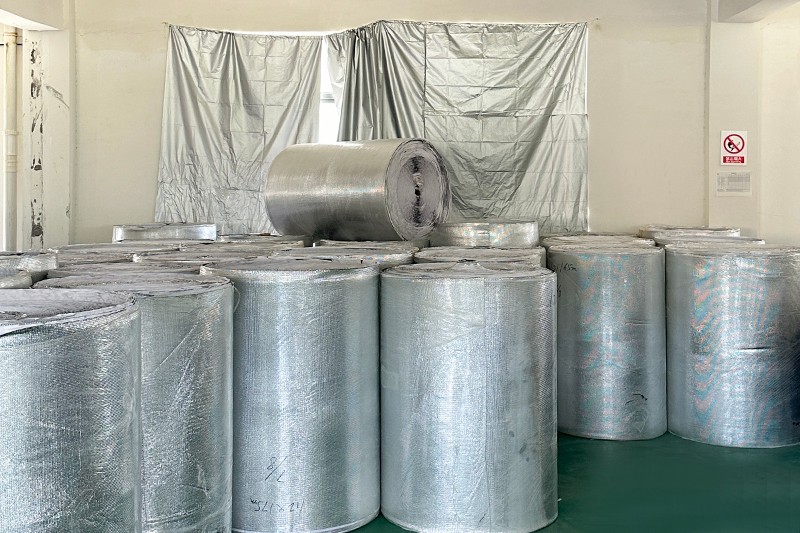
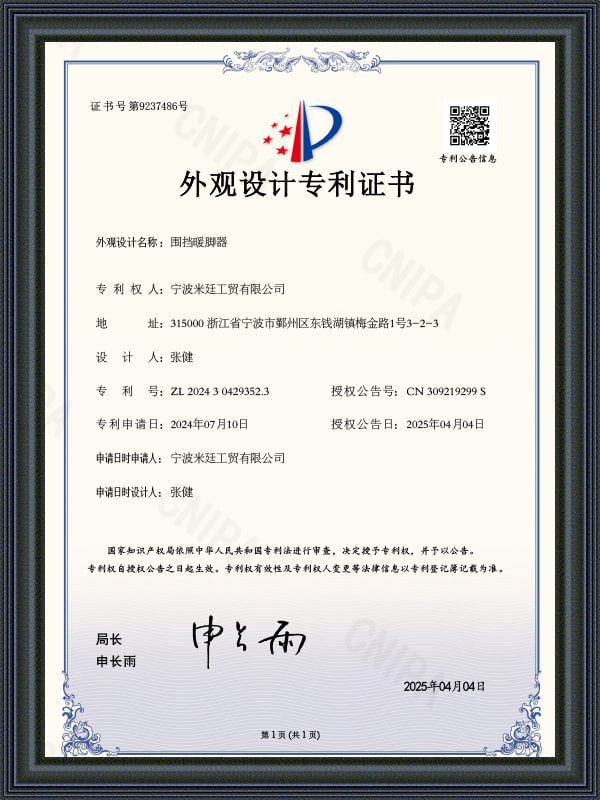
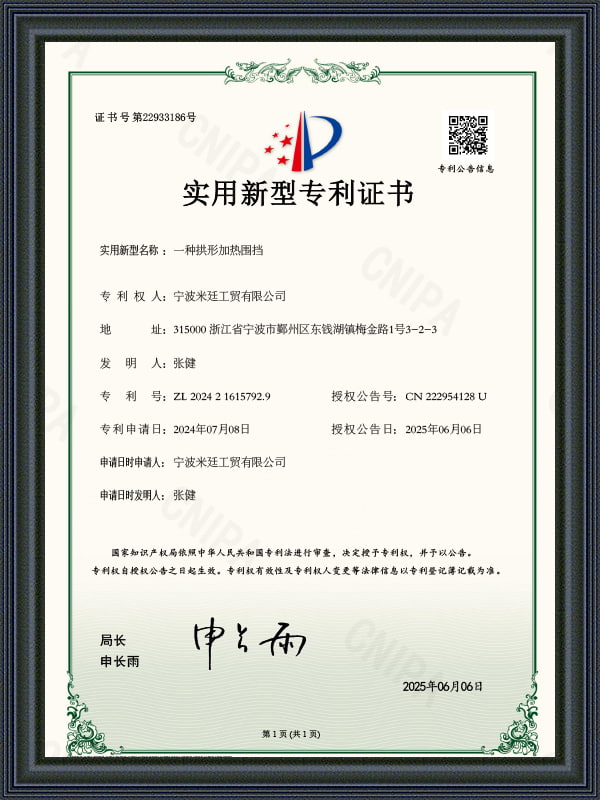
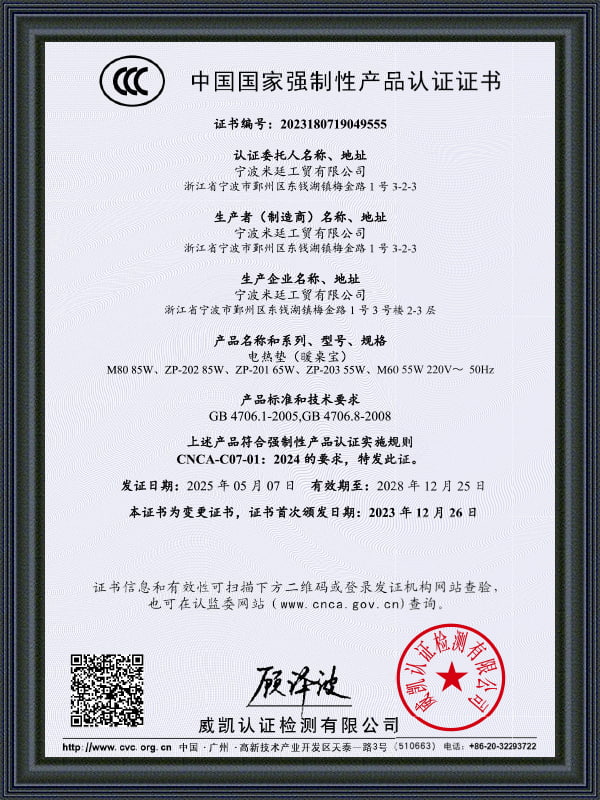
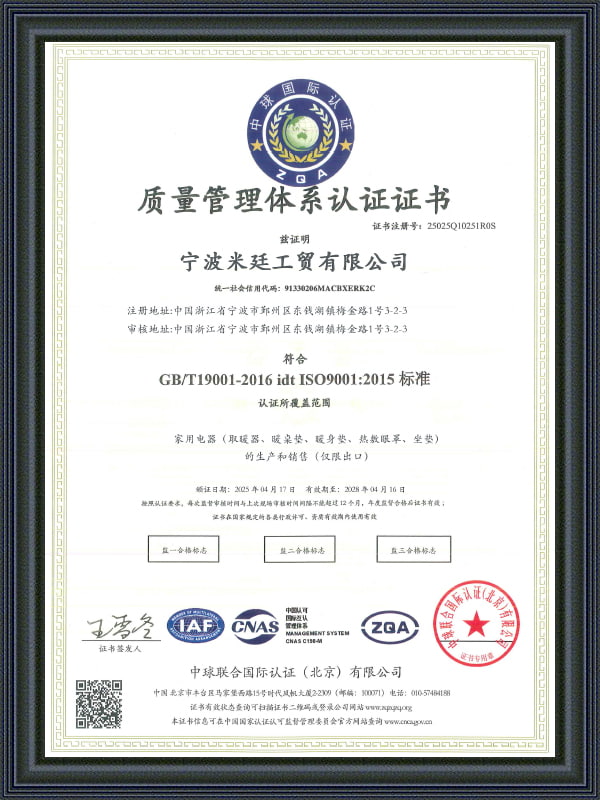
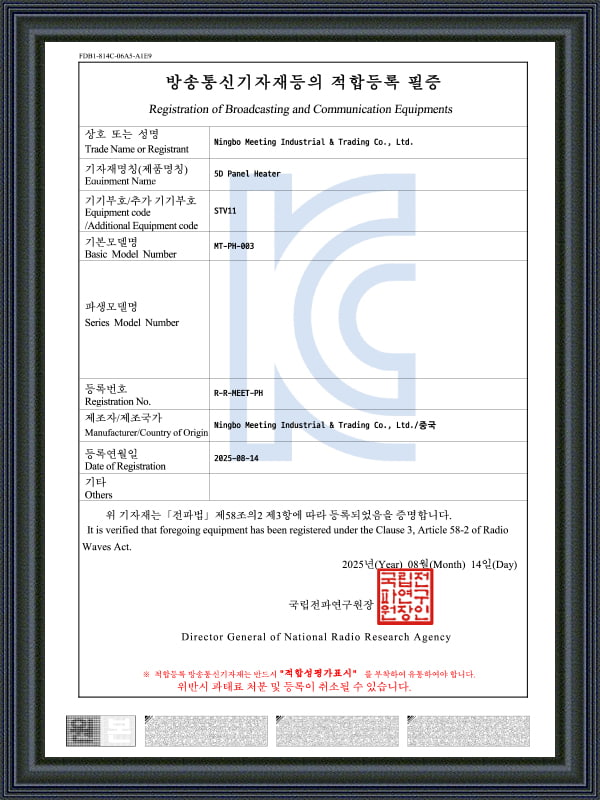
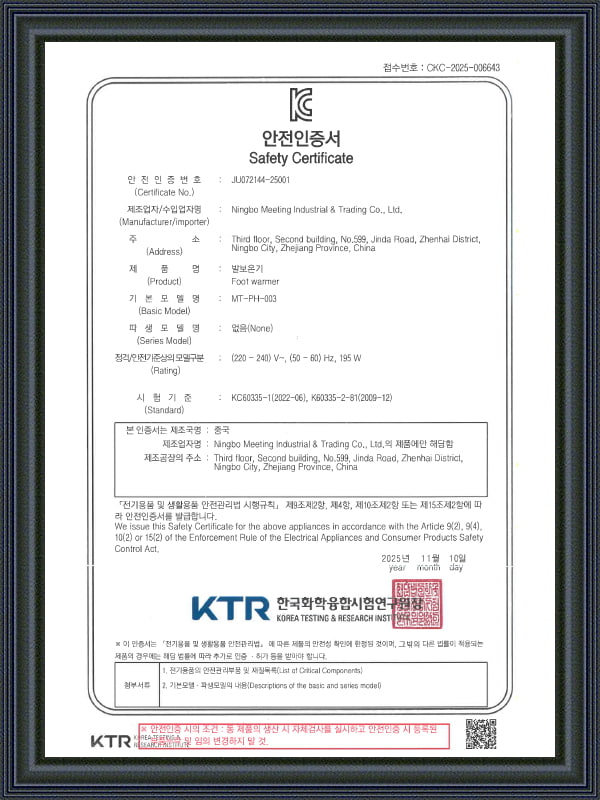
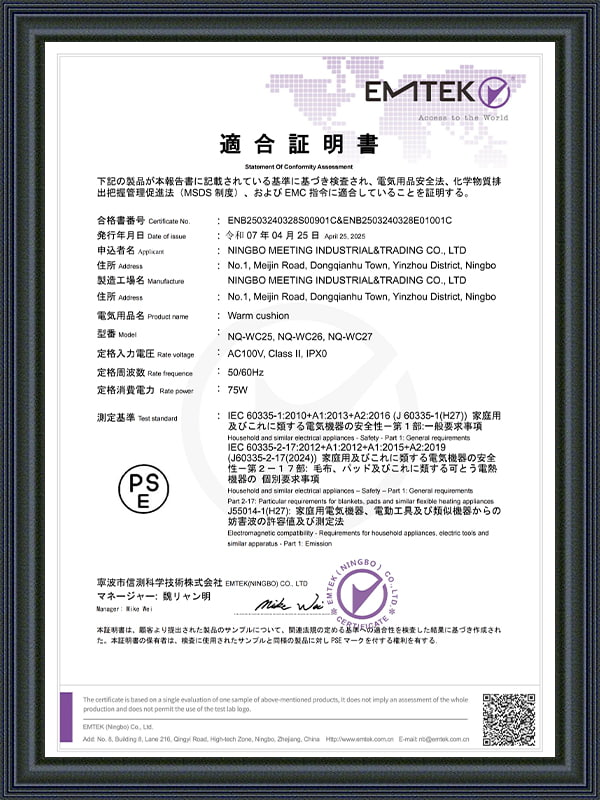
Manufacturing Capabilities Supporting Temperature Control Quality: Ningbo Meeting Industrial & Trading Co., Ltd established in 2023, the company is an integrated manufacturer specializing in the R&D and production of home appliances. With approximately 5,000 square meters of production facilities—covering injection molding, sewing, assembly, and full-unit manufacturing—the company maintains end-to-end control from components to finished products. In the production of portable electric heating pads, this comprehensive manufacturing system ensures greater consistency in heating component design, fabric bonding precision, and temperature control system integration, thereby enhancing product stability and safety. Furthermore, the company’s focus on heating and cooling appliances—with an emphasis on practicality, safety, and market suitability—ensures that its temperature control system designs prioritize stable output and user experience in real-world usage scenarios.
Overall, the temperature control system of a portable electric heating pad is a multi-layered, synergistic framework—combining material self-regulation, electronic feedback, structural optimization, and manufacturing system assurance—to collectively deliver safe, stable, and uniform heating performance.
What are the trends regarding the use of eco-friendly and recyclable materials in portable electric heating pad design?
Portable electric heating pads are evolving toward "lightweight construction, sustainable materials, and designs that facilitate disassembly." This eco-friendly trend is primarily reflected in four areas:
Eco-friendly Outer Materials
Traditional PVC is gradually being replaced by materials such as:
- Recycled polyester (rPET)
- Bio-based TPU
- Eco-friendly silicone
These materials offer a balance of softness and recyclability.
- High-Efficiency Heating Materials: Carbon fiber and PTC materials are increasingly becoming the mainstream choice; compared to traditional metal wires, they offer greater energy efficiency and durability, while also facilitating material recycling or module replacement.
- Detachable Battery Module Design: Portable products are increasingly adopting detachable lithium battery designs, making it easier to recycle or replace batteries individually and thereby reducing electronic waste.
- Modular and Easy-to-Disassemble Structures: Product architecture is shifting from "integrated encapsulation" to "modular design," allowing fabrics, electronic components, and batteries to be separated for recycling and improving reuse rates.
- Green Manufacturing Trends: Production processes are also being optimized through measures such as low-energy injection molding, reduced solvent usage, and lower carbon emissions.
The overall trend can be summarized as:
Eco-friendly materials + Modular structures + Recyclable batteries + Low-carbon manufacturing
In the future, portable electric heating pads will evolve beyond mere functional products to become integral components of green home living and health technology.


 English
 日本語
日本語 한국어
한국어 Deutsch