Structural Integrity and Edge Curl Prevention in Standard Heated Desk Mats
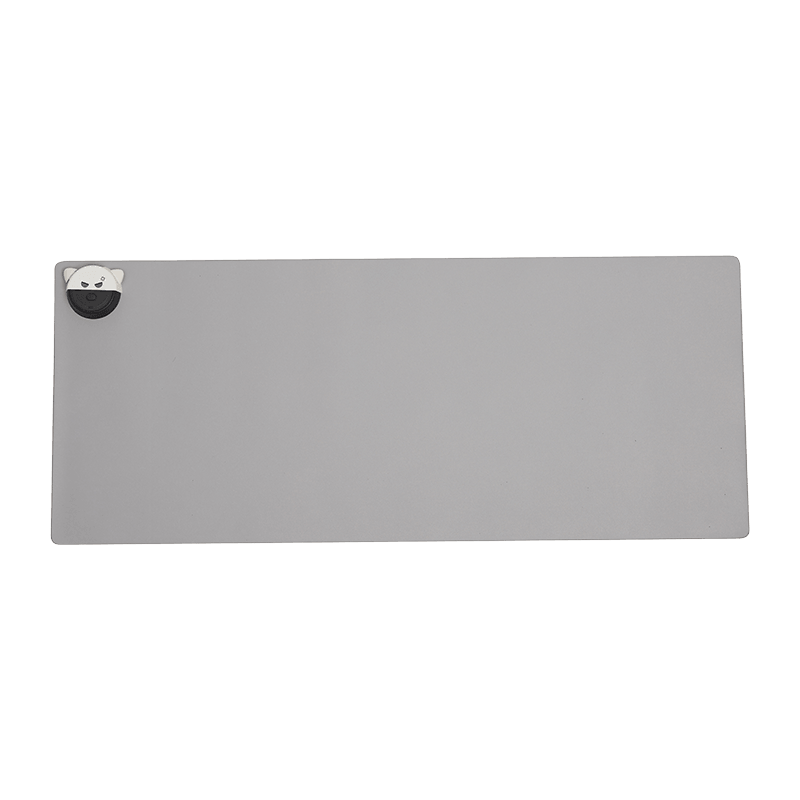
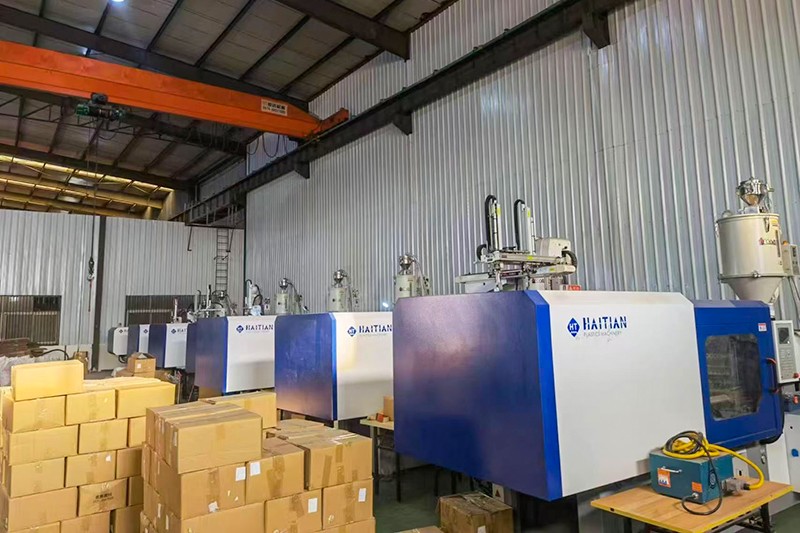
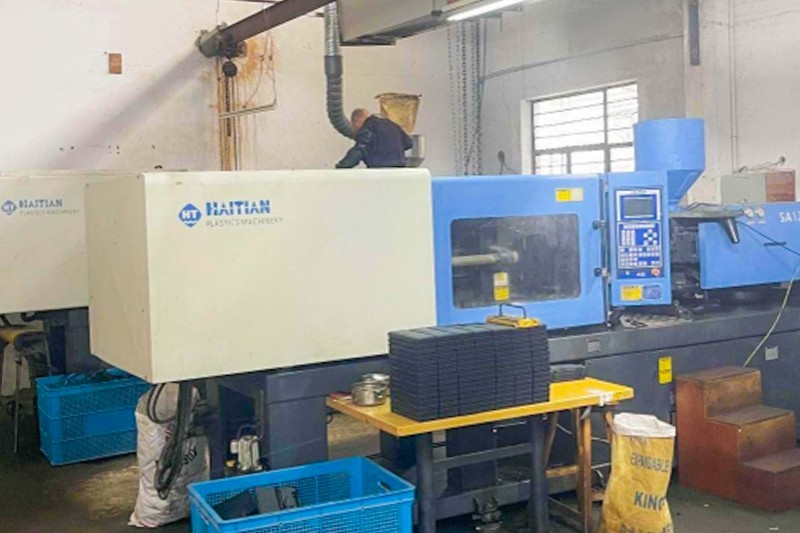
Edge curling represents a major structural vulnerability in flexible, multi-layered surface appliances that undergo repeated heating and cooling cycles. When a dynamic consumer product like a Standard Heated Desk Mat is subjected to localized thermal expansion, the varying contraction rates of its laminated material layers can introduce internal stresses that pull the perimeter upward or downward. For international distributors and consumers, this deformity compromises both the aesthetic value of the workspace and the practical operation of computer peripherals. Manufacturing entities, including Ningbo Meeting Industrial&Trading Co., Ltd, prioritize specific material science standards, composite lamination techniques, and cross-linking agents during product development to minimize edge deformation and ensure flat surface stability throughout extended operational lifecycles.
Thermodynamic Stress and the Mechanism of Edge Curling
The primary cause of edge curling in flexible heated appliances is the mismatch in the thermal expansion coefficients of the individual layers making up the mat's composite body. A standard mat typically integrates a top protective cover, an internal heating element grid, a thermal insulation core, and a non-slip base backing. When electrical current passes through the heating element, the temperature rises, causing the materials to expand. If the top layer expands at a faster rate than the base layer, or if the adhesive binding the layers together softens and allows independent shifting, the material must relieve this physical tension by warping at the perimeter where structural constraints are lowest. Over time, regular storage methods, such as rolling the mat tightly, can exacerbate this imbalance if the materials do not possess sufficient shape-memory retention properties.
Advanced Multi-Layer Composite Lamination Processes
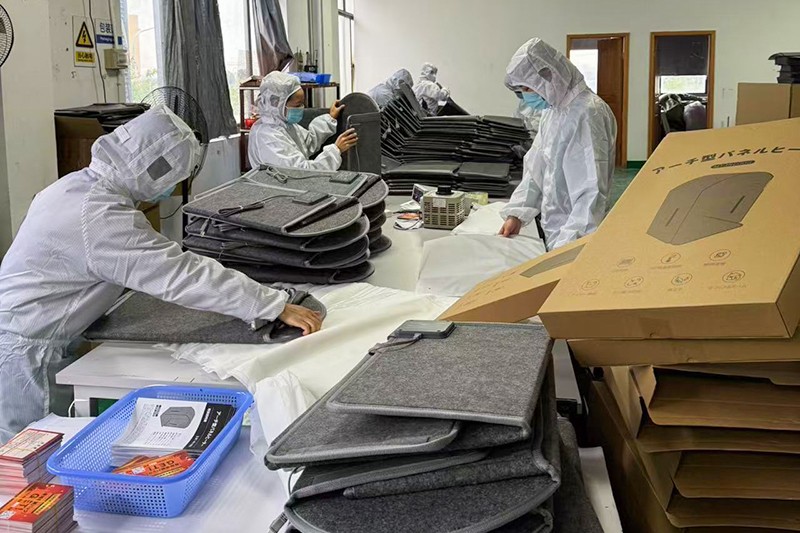
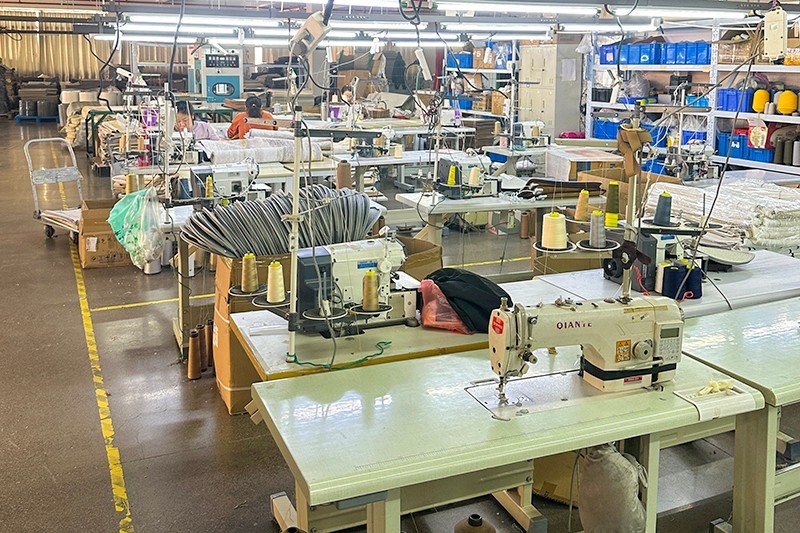
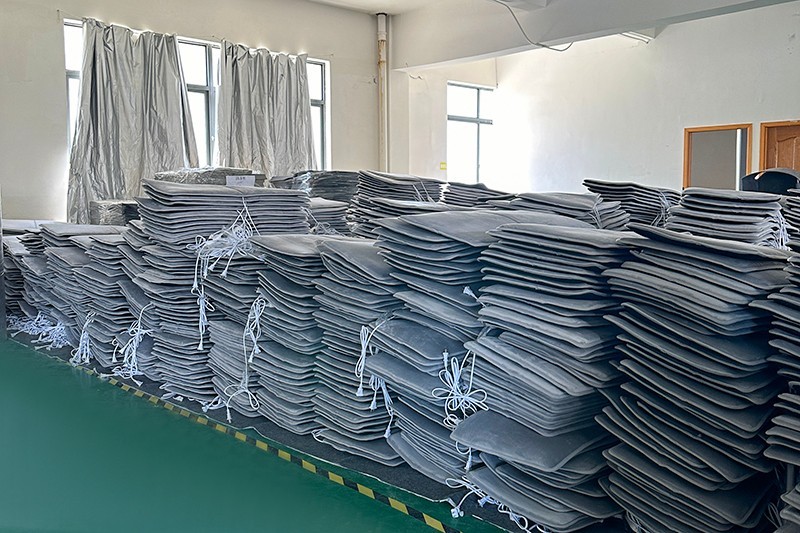
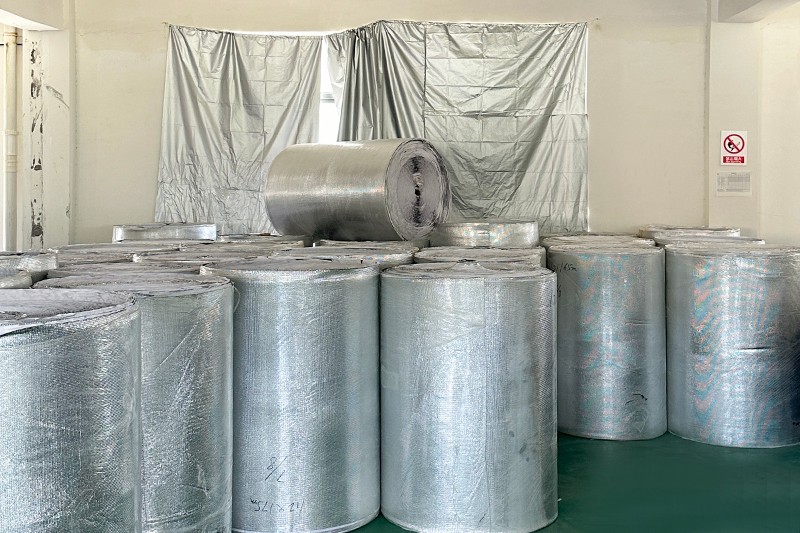
To counteract thermodynamic warping, the manufacturing workflow requires precise control over the lamination phase. Advanced factories utilize a multi-layer composite assembly where each material sheet is selected to balance the tension forces of its opposing layer. For instance, if a synthetic polyurethane leather is used on the upper surface, a specialized non-woven fabric or engineered felt layer is mirrored on the lower side to serve as a counterweight to structural changes. These layers are joined using high-temperature PUR (Polyurethane Reactive) hot melt adhesives rather than standard water-based glues. PUR adhesives form covalent chemical bonds that resist softening when exposed to the continuous 40 to 45 degrees Celsius operating temperatures of the heating grid, maintaining rigid horizontal alignment across the entire surface plane.
Perimeter Reinforcement and Specialized Stitching Methodologies
The boundary edges of a heated desk mat represent the zone of greatest vulnerability because they are exposed to direct physical contact from a user's forearms and are the first areas to lift during a lamination failure. To fortify this zone, structural designs incorporate heavy-duty perimeter stitching or high-frequency edge sealing. Thick, heat-set nylon threads are sewn along the entire border using a high-density lockstitch configuration. This mechanical border binding physically clamps the top, core, and bottom sheets together, preventing the layers from delaminating or sliding independently when the mat expands under thermal load. The nylon thread itself undergoes thermal pre-shrunk processing during component sourcing to ensure that it does not contract or pull the corners inward when exposed to the warm operational states of the mat.
Comparative Matrix of Material Integrity and Edge Deformation Risks
The choice of raw materials and assembly methods directly impacts how effectively a flexible desktop heating appliance maintains its structural flatness over time. The following table provides an analytical breakdown of standard production configurations and their respective operational risks.
| Structural Layer Layout |
Adhesive Binding Medium |
Border Closure Type |
Edge Curl Risk Assessment |
| Asymmetric PVC + Thin Foam Base |
Water-based acrylic contact glue |
Raw cut edge; unstitched perimeter |
High risk; adhesive degrades under heat, causing quick edge lifting |
| Balanced PU Leather + Felt Base |
Standard water-based hot melt |
Low-density decorative stitching |
Moderate risk; stitching holds outline but center can warp over time |
| Engineered PU + Non-Woven Structural Fabric |
Polyurethane Reactive (PUR) hot melt |
High-density heat-set nylon lockstitch |
Low risk; balanced expansion rates maintain uniform flat geometry |
| Rubberized Base + Knit Polyester Face |
Flame-retardant industrial epoxy film |
High-frequency ultrasonic welded border |
Low risk; fused edge boundaries block moisture and layer sliding |
Shape-Memory Materials and Flexible Core Matrix Behavior
Storage practices, such as seasonal packing where the mat is rolled and boxed for multiple months, introduce mechanical memory that can cause the ends to remain curved when unrolled. Product development teams at Ningbo Meeting Industrial&Trading Co., Ltd address this by utilizing shape-memory polymer substrates within the central structural core. These specialized foam or composite layers possess a low glass transition temperature relative to room environment baselines. When the desk mat is unrolled onto a flat desk and powered on, the initial wave of heat relaxes the internal polymer chains, allowing them to release any mechanical storage memory and return quickly to their flat, native state. This material behavior ensures that the product returns to a level profile within minutes of activation without requiring external weights or reverse-bending steps.
Strict Quality Verification and Accelerated Thermal Aging Tests
Validating that a Standard Heated Desk Mat will remain structurally stable across several years of household use requires rigorous testing protocols at the manufacturing level. Completed batches pass through environmental chambers where they are subjected to accelerated thermal aging cycles, involving rapid transitions between sub-zero temperatures and high heat states while under constant physical rolling and unrolling stress. Automated monitoring systems evaluate the flat perimeter profile following these test sequences to verify that any material deviation remains under two millimeters. Ensuring this standard of structural consistency prevents edge curl issues from impacting retail distribution channels, maintaining high product safety and practicality standards across global consumer markets.
FAQ
Q: What specific engineering design elements ensure the heating element within a Standard Heated Desk Mat does not shift or gather during storage?
A: To guarantee daily practicality and long-term safety, the internal heating wire grid is anchored within a multi-layer composite matrix using high-temperature industrial bonding sheets. This lamination process locks the internal conductors securely in a flat horizontal plane, preventing the heating loops from overlapping, bunching, or creating high-resistance zones when the mat is repeatedly rolled up for storage.
Q: How does the market adaptability of your manufacturing setup benefit international wholesale buyers looking for specific regional electrical compliance?
A: As an integrated manufacturer, the facility houses flexible engineering and production lines that can quickly adapt to global market needs. We can easily configure the internal heating resistance grids, controller circuit boards, and power cord plugs to meet distinct regulatory compliance standards and voltage profiles required by different target countries, offering ready-to-market solutions for distributors.
Q: How does the surface material of the desk mat handle minor friction and scuffing from heavy desktop equipment or sharp writing instruments?
A: The top layer is engineered using an scratch-resistant synthetic polyurethane formulation that features a dense, cross-linked protective seal. This specialized protective coat absorbs the physical friction associated with daily office workflows, such as moving mechanical keyboards or pressing ballpoint pens, ensuring the mat maintains an unblemished appearance over prolonged use.
Q: What thermal management features keep the power consumption of a standard desk mat sustainable throughout an eight-hour workday?
A: The mat uses a smart low-wattage density grid that pairs with real-time temperature tracking software. Once the surface achieves the user's desired warmth setting, the control system scales back the energy usage, maintaining a steady thermal state without drawing continuous peak electricity. This balance provides a practical heating option that optimizes daily energy use.
Q: What measures prevent the edges of the desk mat from fraying or coming apart after several seasons of regular operation?
A: To reinforce the structural boundaries of the appliance, the entire outline is bound with high-density, double-lock nylon stitching. These heat-set threads lock the top synthetic face, internal thermal layers, and the non-slip base firmly together, keeping the edges flat and prevented from peeling back despite constant contact with a user's wrists or forearms.
Q: How does the internal heating grid design limit electromagnetic interference (EMI) with wireless office accessories?
A: The internal heating grid utilizes a dual-conductor wire layout configured in a parallel, counter-directional orientation. When current flows through the loops, the small electromagnetic fields generated by the opposite wires naturally cancel each other out. This engineering step prevents the mat from causing tracking lag or signal interference with wireless mice, Bluetooth keyboards, or nearby mobile phones.


 English
 日本語
日本語 한국어
한국어 Deutsch