English
 日本語
 한국어
 Deutsch
Home > News > Industry News > NEI Dry Eye Treatment: How Artificial Tears and Warm Compresses Provide Relief
Content
If your eyes feel gritty, tired, or uncomfortably dry by mid-afternoon, you already know that dry eye is more than a passing annoyance. It is one of the most common reasons people seek help from an eye care professional, and the National Eye Institute (NEI) lays out a clear, stepwise framework for managing it. Two of the most familiar tools in that framework are artificial tears and warm compresses. They are often mentioned together, but they work in very different ways—and understanding that difference is the key to getting real, lasting relief.
The NEI describes dry eye as a condition where tears fail to provide adequate lubrication, either because the eyes do not produce enough tears or because the tears evaporate too quickly. The recommended approach begins with the gentlest options: artificial tears, warm compresses, eyelid hygiene, and small environmental adjustments like using a humidifier or taking regular screen breaks.
Artificial tears add moisture directly to the surface of the eye. Warm compresses take a different route: they target the meibomian glands along the eyelid margins, which produce the oily layer that prevents tears from evaporating. When those glands become clogged or produce thickened oil, the tear film loses its protective lipid layer, and dryness worsens.
The tear film itself is a three-layer structure: a mucus layer at the bottom, a watery layer in the middle, and a thin lipid layer on top. Warm compresses influence the top lipid layer, while artificial tears replenish the watery middle layer. That is why the two treatments can feel redundant on paper but are genuinely complementary in practice.
| Aspect | Artificial Tears | Warm Compress |
|---|---|---|
| Primary action | Adds moisture to the ocular surface | Softens and loosens meibum in eyelid glands |
| Onset of effect | Quick, often within seconds | Gradual; benefits build over days or weeks |
| Duration | Temporary, measured in minutes to hours | Supports tear film stability for hours |
| Best suited for | Immediate symptom relief | Evaporative dry eye and meibomian gland dysfunction |
For many people with chronic dry eye, the underlying problem is meibomian gland dysfunction, or MGD. The meibomian glands produce a complex oil that forms the outermost layer of the tear film, slowing evaporation and keeping the surface comfortable. Research on warm compress therapy has shown that consistent warmth can temporarily increase tear film thickness and stability while supporting meibomian gland function—exactly the areas where evaporative dry eye falls short.
Consistency is the catch. An occasional warm compress rarely changes the condition of the glands. Most clinical guidance suggests applying warmth to both closed eyelids for roughly five to ten minutes, once or twice daily, for several weeks before you can judge the results. That kind of routine demands a delivery method that is comfortable enough to repeat.
A washcloth soaked in warm water can work in theory. In practice, maintaining the right temperature for the full ten minutes is difficult. Within a couple of minutes, the cloth has usually cooled below the therapeutic range, and reheating turns a simple habit into a chore.
Temperature also matters more than most people realize. Ophthalmic research often cites a target range around 40 to 45 degrees Celsius—warm enough to liquefy thickened meibum, but not so hot that it irritates the delicate eyelid skin. A washcloth gives you little control over hitting that zone; a device with regulated heating can hold it much more predictably.
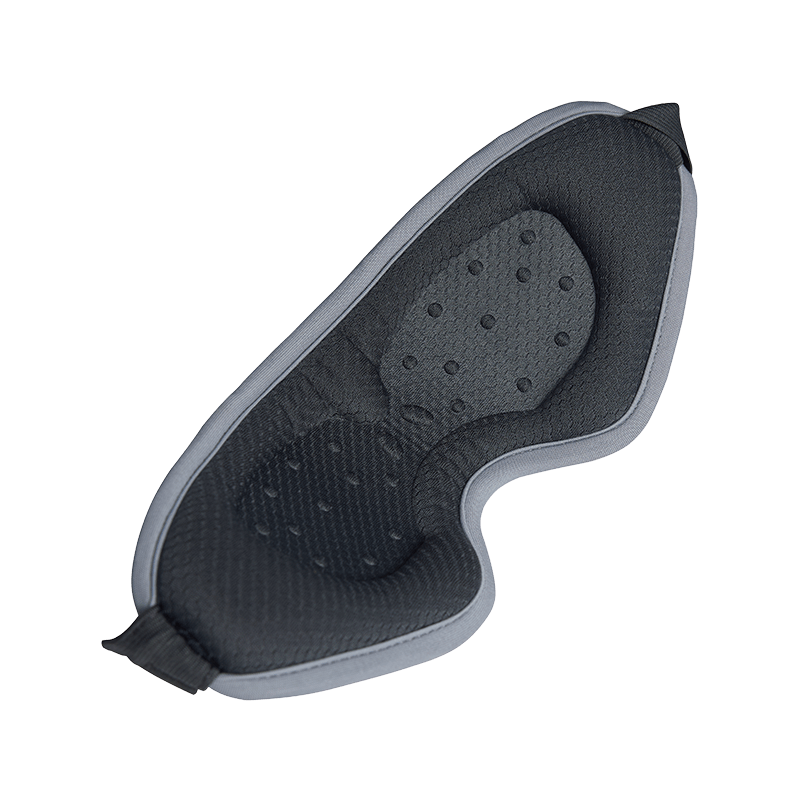
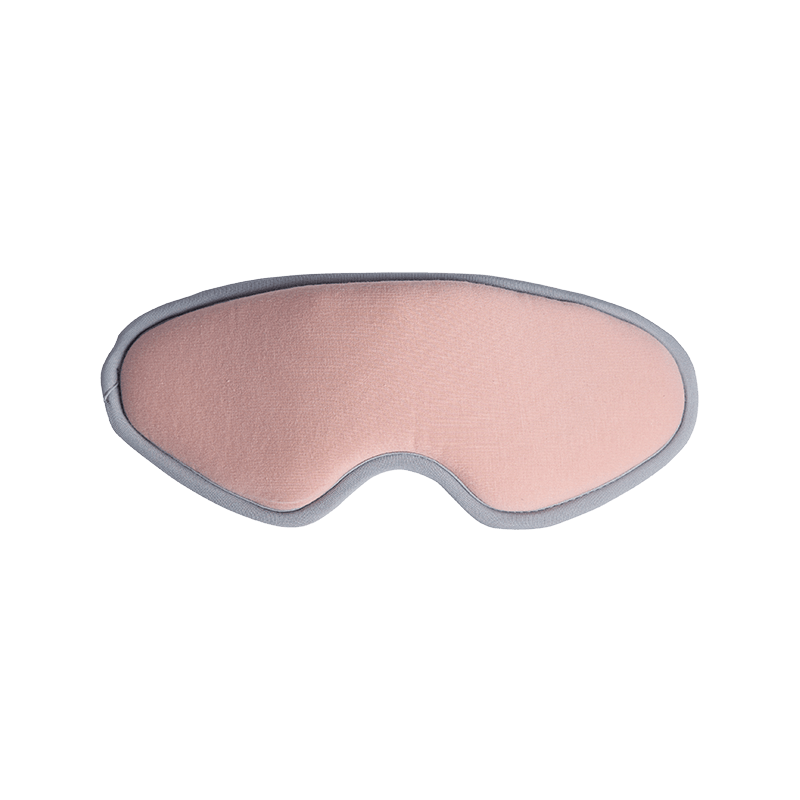
This is where a purpose-built heated eye mask earns its place in a dry eye routine. Instead of fighting a cooling washcloth, a mask delivers steady, even warmth across both eyes so you can actually sit still for the full session. The temperature stays in the therapeutic range, the coverage is uniform, and many designs let you adjust the heat to a level that feels soothing rather than merely tolerable.
 Smart Heated Eye Mask with Adjustable Timer and SteamThis mask offers three heat levels and a built-in timer for consistent warm compresses, making it a practical daily tool for easing eye strain and building a relaxing bedtime routine.View Product →
For anyone who spends long hours at a screen or deals with recurring eyelid discomfort, a heated eye mask lowers the barrier between knowing you should do the compress and actually doing it every day. The warmth also has a naturally relaxing effect, which makes it much easier to build the habit before bed or during a lunch break. For a deeper look at the science, check out our guide on the benefits of heated eye masks.
Warm compresses treat the underlying gland function; artificial tears manage the symptom. The two are not competing choices. Many eye care professionals recommend using a warm compress first and then following with artificial tears. The heat helps restore a healthier oil layer, and the drop adds immediate moisture that the improved tear film can hold onto longer.
When selecting artificial tears, the NEI and most practitioners advise reaching for preservative-free options if you use them more than four times a day. Preservatives can irritate the ocular surface over time, and frequent use makes that irritation more likely. Meanwhile, the compress routine continues to support long-term gland health, which is why it remains a foundation of dry eye management rather than a temporary extra.
It is also worth remembering that artificial tears come in different thicknesses. A low-viscosity drop feels pleasant but may not last long, while a gel or ointment offers longer coverage, often at the cost of temporary blurring. Many people find that combining a warm compress routine with a mid-weight artificial tear gives them the best balance during the day, with a gel-based product reserved for nighttime.
A realistic dry eye routine should be short enough to sustain day after day. Here is a simple sequence that combines both treatments effectively:
For a more controlled temperature experience, a heated eye mask with adjustable, soothing temperature settings can make the first step of this routine far more reliable. The steadier the heat, the easier it is to sit through the full session and let the glands soften properly.
 Temperature-Controlled Heated Eye Mask for Targeted ReliefWith an adjustable heat range and multiple timer settings, this mask provides steady therapeutic warmth, helping you complete longer sessions comfortably for more effective dry eye management.View Product →
The NEI advises seeking professional care if symptoms continue despite home treatment, or if you experience pain, redness, vision changes, or unusual discharge. Dry eye can overlap with blepharitis, allergies, medication side effects, and other conditions that require a precise diagnosis. An eye care professional can also evaluate your meibomian glands directly and recommend in-office procedures if at-home care is not enough.
It is also worth remembering that artificial tears alone can mask an underlying gland problem. If you find yourself reaching for drops several times a day without real improvement, that is a signal to talk to a professional about more targeted treatment.
NEI-supported dry eye treatment usually comes down to two complementary layers: artificial tears for immediate comfort and warm compresses for the gland health underneath. Neither replaces the other. Used consistently and together, they address both the symptoms of dry eye and one of its most common root causes—meibomian gland dysfunction.
A heated eye mask simply makes the compress part of the routine something you will actually keep doing. And in the end, consistency is what makes any treatment work.
Few things feel as good at the end of a long day as a warm, gentle hug for your eyes. That is exactly what a steam eye mask delivers. Over the years, we have built heated eye mask...
READ MOREThe way we use our eyes has changed. Between laptops, phones, and tablets, most adults now spend hours each day staring at close-up screens, and the delicate tissue around the eye...
READ MOREThe first time you wash a heated blanket, the process feels slightly risky. You are placing a product filled with wires into water, and a mistake can shorten its lifespan or damag...
READ MOREYou settle onto the couch on a cold winter evening, blanket spread across your lap, and hesitate before reaching for the plug. How much electricity will this actually use? Most he...
READ MOREPutting an electric blanket on a bed is not complicated, but it is easy to get wrong in a way that affects safety and comfort. The correct method is simple: place it flat on the m...
READ MOREEyelid twitching, medically known as myokymia, is one of those minor annoyances that can disrupt an otherwise perfectly good day. A tiny, repetitive flutter in the eyelid appears ...
READ MORE