English
 日本語
 한국어
 Deutsch
Home > News > Industry News > nhs eye irritation cold compress: Applications, Selection Criteria, and Practical Guidance
Content
When your eyes feel itchy, gritty or puffy, reaching for something cool is a natural reaction, and it is usually a sensible one. A cold compress is one of the simplest home measures for irritated eyes, and the advice around it is refreshingly consistent: keep the cold gentle, wrap the cold source in a clean cloth, rest it over closed lids rather than pressing on the eyeball, and never rub.
This guide explains what a cold compress can realistically do, when warmth is the better answer, how to apply either one safely, and which symptoms mean you should stop treating your eyes at home and speak to a pharmacist, GP or NHS 111 instead.
Cold works mainly on the surface. Lowering the temperature of the skin around the eye narrows small blood vessels, which is why a cool compress reduces redness and swelling and takes the edge off the itch that makes you want to rub. That combination is why cooling is commonly suggested for allergic irritation, puffy lids and the tenderness that follows a light knock to the eye area.
It is worth being clear about the limits too. A cold compress eases symptoms; it does not clear an infection, unblock an oil gland or replace prescribed drops. If the underlying cause is viral or bacterial, cooling may keep you more comfortable while the problem settles, but it will not resolve it on its own.
Everyday eye irritation tends to follow a few recognisable patterns, and the pattern usually tells you which temperature to reach for.
Warmth should feel comfortable, never hot. Around 40 degrees Celsius is the usual target, and the compress should not feel as though it is still building in intensity. If you prefer an electric option, a mask with a fixed low setting is easier to use safely than one that keeps climbing.
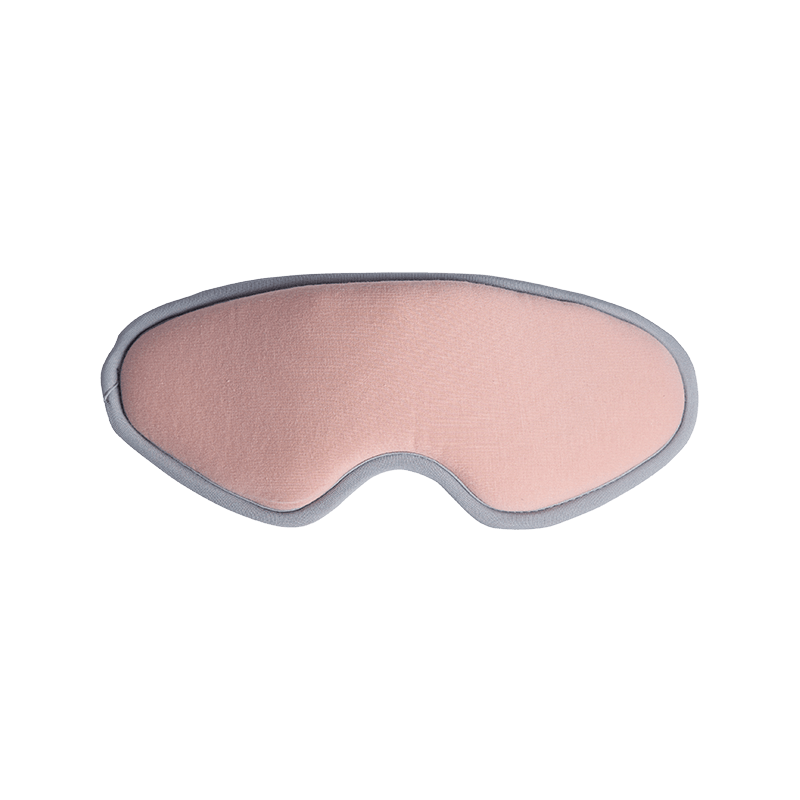
 Soothing Temperature-Controlled Heated Eye Mask MT-EM-001Offering 35–55°C controlled warmth, a 10/20/30-minute timer, and breathable cotton-blend material, this USB-powered mask suits daily relaxation and eye fatigue relief.View Product →
Warm compresses also have a habit of becoming part of a daily routine, which is where reusable masks earn their keep. Our overview of heated eye mask benefits looks at how steady, gentle warmth compares with a quick rinse of a flannel.
| What you notice | Compress to try | Typical time |
|---|---|---|
| Itchy, watery eyes from allergies | Cool compress | 10 to 15 minutes |
| Puffy or tired-looking lids | Cool compress | 10 minutes |
| Redness after a minor knock | Cool compress | 10 to 20 minutes |
| Crusty lashes on waking | Warm compress | 5 to 10 minutes |
| Small tender lump on the lid | Warm compress | 10 minutes, several times a day |
Remove contact lenses first and leave them out until your eyes feel comfortable again. Take makeup off gently with clean hands, and keep the compress on the outside of the closed lid only, so nothing runs into the eye itself.
Most problems with compresses come down to technique rather than the idea itself. A few habits are worth avoiding.
A cold compress is for mild, familiar irritation. It is time to change approach when symptoms are new, getting worse, or accompanied by anything that suggests the eye itself is involved.
Speak to a pharmacist for straightforward redness, itching or watering that has not settled within a few days, and to a GP if the irritation keeps returning or affects your vision or comfort during the day. NHS 111 is a sensible route when you are unsure how urgent something is, or when pain, light sensitivity or sticky discharge appear.
Seek urgent help the same day for sudden loss of vision, severe eye pain, a chemical splash or anything that entered the eye, a penetrating injury, or redness and pain while wearing contact lenses. A cold compress is not the right response to a chemical splash; rinse the eye with clean water and get medical advice immediately.
We make heated eye masks and home comfort appliances, so we spend a lot of time thinking about what makes a compress comfortable enough to actually use. The pattern is simple: people stick with it when the mask is already at the right temperature, sits against the face without pressing on the eye, and takes seconds to clean.
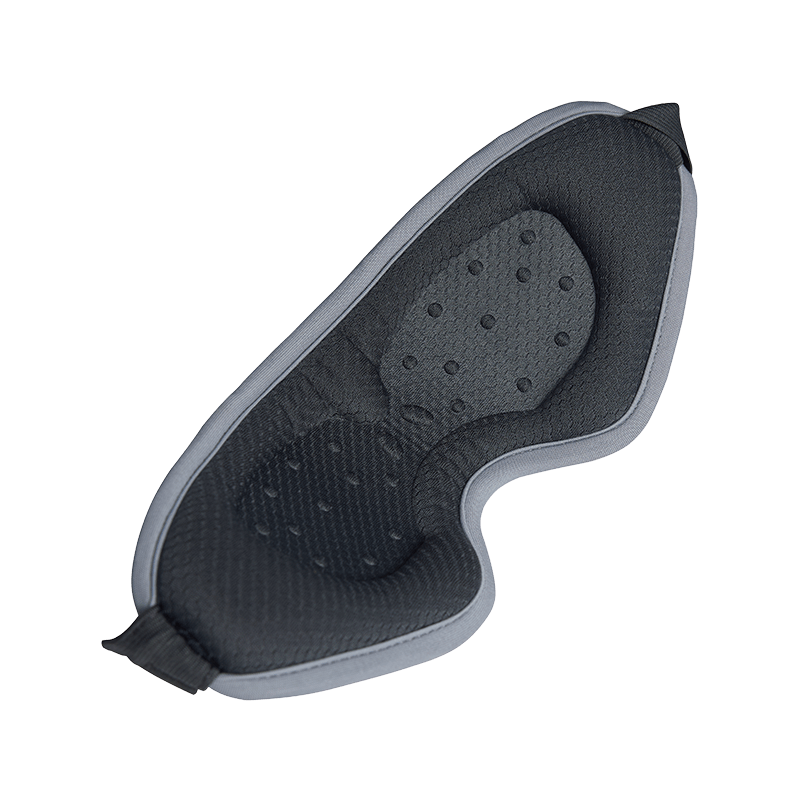
 Smart Heated Eye Mask with Light-Blocking and Three-Level TimerWith 35°C, 45°C, and 55°C heat levels and a three-speed timer, this lightweight, light-shielding mask offers warm compression and a no-pressure 3D groove.View Product →
For cooling, a gel mask kept in the fridge works well; if it can also be frozen, let it soften slightly before use. For warmth, a mask with a fixed low temperature and an automatic shut-off is easier to use safely than a microwaveable bag, which can develop uneven hot spots. Whichever you choose, keep it for your own use, clean it as the maker advises, and replace it once the fabric or gel begins to perish.
For most everyday eye irritation, a cool compress applied gently for 10 to 20 minutes, a few times a day, is a reasonable and low-risk first step, provided you keep the cold indirect, keep the pressure light and keep your hands and cloth clean. When the pattern changes, or when warmth would clearly suit the symptom better, switch approach rather than persisting. And if anything about your eyes worries you, the quickest route to peace of mind is a pharmacist, GP or NHS 111 rather than another round of home remedies.
Understanding Portable Cooling Fans and Their Applications Across Different Environments Portable cooling fans represent efficient, lightweight personal cooling solutions providin...
READ MOREAs households increasingly seek ways to stay comfortable while managing energy costs, the Energy-Efficient Smart Heated Throw Blanket has emerged as a practical solution that blen...
READ MOREFalling asleep quickly and staying asleep through the night depend on more than just a dark, quiet room. Body temperature plays a central, often underappreciated role in the sleep...
READ MORESmart energy-efficient portable cooling hand fans have quickly become one of the most practical personal comfort devices available, combining compact design, long battery life, an...
READ MOREDoes a Heated Eye Mask Support Eye Comfort Used at a moderate setting for a short session, a heated eye mask generally supports temporary comfort around the eyes by easing tension...
READ MOREChoosing the Right Handheld Cooling Fan: Quick Answer The best handheld cooling fan for most people is a rechargeable, dual-blade or bladeless model with at least 3 speed settings...
READ MORE