Content
Used at a moderate setting for a short session, a heated eye mask generally supports temporary comfort around the eyes by easing tension in the surrounding muscles and encouraging blood flow to the area, and it is unlikely to cause harm when the temperature and duration stay within the ranges recommended by the device itself. It is worth being clear about what this kind of warmth can and cannot do: gentle heat can ease the sensation of dryness, tired eyes, or tightness after long stretches of screen use, but it does not treat an underlying eye condition such as an infection, elevated eye pressure, or a diagnosed dry eye disorder, and anyone with a persistent or worsening eye problem is better served by an eye care professional than by heat alone.
The eyelids contain small oil-producing glands, known as meibomian glands, which release a thin oily layer over the surface of the eye that slows tear evaporation. When these glands become partially blocked, a common contributor to dry eye sensations, the oil inside can thicken and stop flowing smoothly. Applying gentle, sustained warmth to the closed eyelid softens this oil, helping it release more easily, which is the underlying reason ophthalmology practices have long used warm compresses as part of managing certain dry eye and eyelid gland conditions. A heated eye mask essentially automates this same warm compress principle, replacing a hand towel that cools within a few minutes with a device that maintains a steady temperature for the length of a session.
Beyond the oil glands themselves, localized warmth also increases blood flow to the skin and small muscles around the eyes, which can ease the tight, strained feeling that builds up after hours of reading, driving, or looking at a screen. This effect is similar to how a warm compress relaxes tense shoulders or a stiff neck, applied instead to the smaller muscle groups that control eyelid movement and squinting.
Heated eye masks typically operate somewhere within a 35 to 55 degree Celsius range, and many models split this range into two zones rather than offering a single fixed setting. A lower zone, often falling between 35 and 45 degrees, is generally intended for everyday relaxation and short-term relief from screen fatigue, while a higher zone, often set between 45 and 55 degrees, is intended for more targeted use on tighter muscles or thicker gland blockages, and is typically used for shorter periods given the increased heat. Built-in timers commonly offer preset session lengths such as 10, 20, or 30 minutes, which limits continuous heat exposure and reduces the chance of skin irritation from an overly long session. Skin around the eyes is thinner and more sensitive than skin on many other parts of the body, so a timer that automatically ends the session is a practical safety feature rather than a minor convenience.
| Temperature Zone | Typical Range | Suggested Session Length | Common Purpose |
|---|---|---|---|
| Moderate zone | 35–45°C | 10–20 minutes | Daily relaxation, general eye fatigue |
| Elevated zone | 45–55°C | 10 minutes | Targeted gland warming, tension relief |
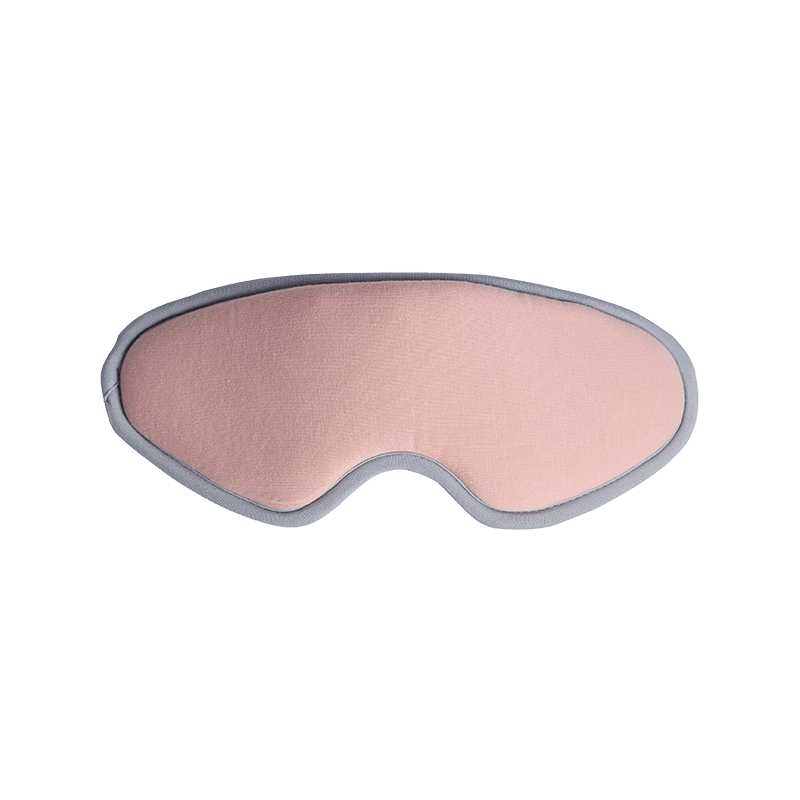
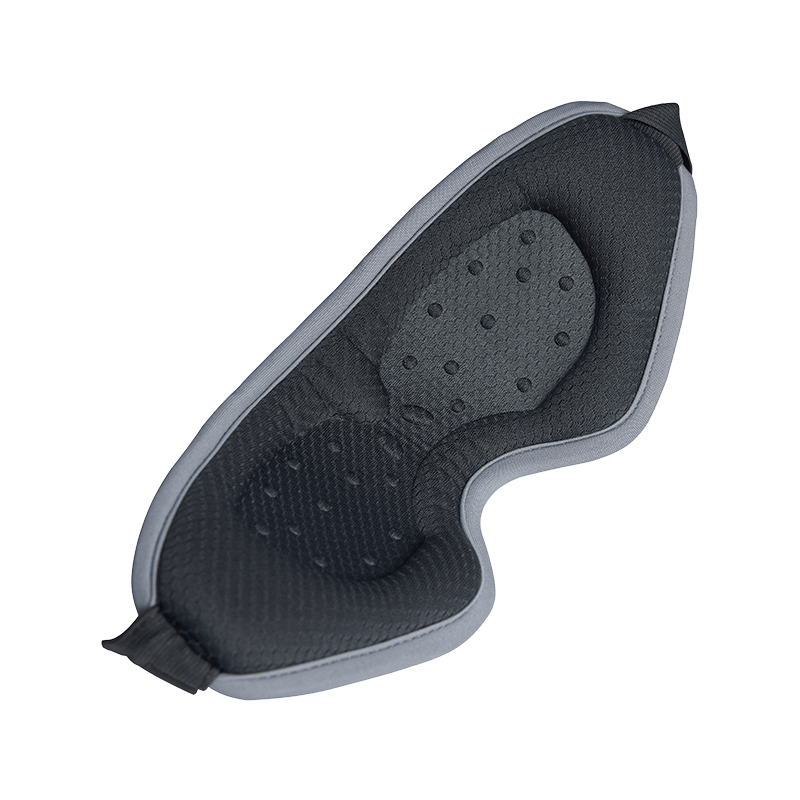
The outer fabric layer of a heated eye mask is generally chosen for breathability and moisture-wicking properties, since a mask worn directly against the skin for an extended session needs to release built-up warmth and moisture rather than trapping it, which can otherwise cause discomfort or minor skin irritation over repeated use. Many masks use a thin heating element, such as a carbon fiber pad or a printed conductive circuit, sandwiched between soft fabric layers so that warmth spreads evenly across the eye area rather than concentrating in a single hot spot. Power delivery in current designs commonly runs on a low-voltage system, often around 5 volts through a USB-style connection, which keeps the electrical current low enough to be considered a safer option for a device worn close to sensitive facial skin, compared with mains-voltage heating appliances.
People who spend long hours in front of screens, travelers dealing with dry cabin air, and individuals managing occasional dry eye sensations often report that a short warm session eases discomfort and makes the eyes feel less strained by the end of the day. However, a few situations call for caution rather than routine use. Anyone with an active eye infection, a recent eye surgery, a diagnosed retinal condition, or unusually sensitive facial skin should check with an eye care provider before adding heat therapy to their routine, since warmth is not appropriate for every eye-related concern and can occasionally aggravate certain conditions rather than ease them. Children and individuals with reduced skin sensitivity should also use these devices with additional supervision, given the difficulty in judging heat intensity accurately in those circumstances.
A heated eye mask often finds a place in an evening wind-down routine, worn for a short session before sleep to ease tension built up after a demanding workday spent reading, writing, or staring at a monitor. Frequent travelers sometimes pack a compact, battery-powered version to counter the dry air found in airplane cabins and hotel rooms, using a brief warm session to settle tired eyes after a long flight. Office workers dealing with recurring afternoon eye fatigue may keep one at a desk for a short break between meetings, and individuals recovering from a late night or an early start sometimes use the higher temperature zone briefly to reduce the puffy, heavy feeling that comes with insufficient sleep.
The heated eye mask is good for your eyes in most cases — particularly for people suffering from dry eye disease, meibomian gland dysfunction (MGD), eye fatigue, or poor sleep. Wh...
READ MORESmart energy-efficient portable cooling hand fans have quickly become one of the most practical personal comfort devices available, combining compact design, long battery life, an...
READ MOREIn office environments where air conditioning runs year-round, or during winter months with inadequate central heating, workers seated for extended periods regularly experience ...
READ MOREAs households increasingly seek ways to stay comfortable while managing energy costs, the Energy-Efficient Smart Heated Throw Blanket has emerged as a practical solution that blen...
READ MOREFalling asleep quickly and staying asleep through the night depend on more than just a dark, quiet room. Body temperature plays a central, often underappreciated role in the sleep...
READ MOREUnderstanding Portable Cooling Fans and Their Applications Across Different Environments Portable cooling fans represent efficient, lightweight personal cooling solutions providin...
READ MORE




 English
 日本語
日本語 한국어
한국어 Deutsch