How Baby Seat Cushion is Redefining Infant Travel Comfort: Ventilation and Cooling Technology and Market Development Analysis
In the context of the continuous upgrading of the global maternal and infant products market, consumer attention to infant travel products has gradually shifted from basic safety to comfort, health, and intelligent experience. Especially in hot summer environments, the heat problem caused by strollers, car seats, and high chairs has become a focus for many families. As an important product for improving the seating experience of infants, Baby Seat Cushion is evolving from traditional soft pads to innovative products with active ventilation and cooling functions.
In recent years, baby cooling seat pads with built-in fan systems have gradually become an industry hotspot. Compared with traditional cotton or sponge cushions, these products help reduce body surface temperature by promoting continuous airflow, reducing sweat accumulation, and creating a more comfortable seating environment for infants. With the rise of consumer demand for child comfort and care, and the investment of suppliers, manufacturers, and factories in material science, aerodynamics, and smart manufacturing, the Baby Seat Cushion market is entering a new development stage.
Driving Forces Behind Baby Seat Cushion Market Demand Growth
Modern families' standards for selecting infant products are undergoing profound changes. In the past, consumers focused more on whether a product met basic functions. Today, comfort, health protection, and detailed design have become important factors in purchase decisions.
For infants, due to underdeveloped temperature regulation systems, they are more easily affected by external temperatures. In hot weather, strollers, car seats, and high chairs often form areas of heat accumulation. When a baby sits for a long time, areas in contact with the back, waist, and legs can continuously build heat, leading to sweating, damp skin, and discomfort.
This market demand has directly driven the upgrade of Baby Seat Cushion products. Traditional cushions mainly provide padding and support, while the new generation integrates ventilation and cooling technology. By setting up internal airflow channels and micro-fan devices, these cushions achieve continuous air movement inside, allowing heat to be expelled in a timely manner.
As family travel frequency increases and outdoor activity scenarios become more diverse, the duration of stroller and car seat use is increasing. Long-term sitting further raises comfort requirements, making cooling cushions increasingly important in the maternal and infant market.
From a global perspective, North America, Europe, Japan, South Korea, and Southeast Asia continue to have strong demand for high-quality maternal and infant products. Especially in regions with long hot seasons, baby seat cushions with fans are increasingly favored by consumers. This demand shift not only drives brand innovation but also creates new market opportunities for professional suppliers and manufacturers.
At the same time, miniaturization of electronic technology enables micro-fan systems to be safely applied to infant products. Mature low-power motors, silent fans, and USB-powered solutions provide a reliable foundation for product upgrades.
Market research shows that comfort-care maternal and infant products have maintained rapid growth in recent years, with Baby Seat Cushion featuring active cooling functions being one of the fastest-growing segments. Consumers are willing to pay a premium for better user experience, which encourages factories to continuously develop more competitive new products.
Baby Seat Cushion Product Structure and Core Technology Evolution
Modern Baby Seat Cushions are no longer simple textile combinations, but comprehensive products integrating ergonomics, materials engineering, and airflow technology.
Baby cooling seat pads with built-in fans typically consist of a surface fabric layer, a middle support layer, an airflow layer, and a fan system. These layers work together to achieve both comfort support and cooling functionality.
The surface layer is in direct contact with the infant's skin and therefore requires good breathability and softness. Many manufacturers now use highly breathable mesh fabrics, 3D air fiber materials, and skin-friendly knitted fabrics. These materials not only improve airflow efficiency but also reduce skin friction.
The middle support layer provides cushioning. Compared with traditional high-density sponges, new support materials focus more on breathability. Open-cell honeycomb structures are widely used, allowing air to flow freely within the layer.
The airflow layer is a key component of the system. Through scientifically designed air channels, airflow generated by the fan can be evenly distributed across the cushion, preventing local overheating.
The development of the fan system is particularly critical. Early products used single-fan designs with limited coverage, while modern Baby Seat Cushions adopt multi-channel airflow and optimized fan layouts for more uniform air circulation.
To meet infant needs, fan systems are usually designed to be low-noise. Silent motor technology allows the device to operate at low sound levels, avoiding disturbance to the baby’s rest.
The following table shows the main differences between traditional baby cushions and baby cooling seat pads with built-in fans:
| Comparison Item |
Traditional Baby Cushion |
Baby Seat Cushion with Built-in Fan |
| Airflow |
Relies on natural ventilation |
Active airflow circulation |
| Cooling Performance |
Limited |
Continuous assisted cooling |
| Comfort Experience |
Strongly affected by ambient temperature |
More stable and comfortable |
| Sweat Control |
Prone to sweat accumulation |
Helps stay dry |
| Applicable Season |
All-year |
Especially suitable for hot seasons |
| Technical Content |
Basic textile structure |
Integrated electronics and airflow technology |
| Product Added Value |
Relatively low |
Higher added value |
In manufacturing, design must focus not only on cooling but also safety. Fan blades are typically enclosed to prevent infant contact with moving parts. Power systems undergo rigorous testing to ensure stability during prolonged use.
Many professional factories are introducing smart temperature control, automatically adjusting fan output according to ambient temperature for practical usability.
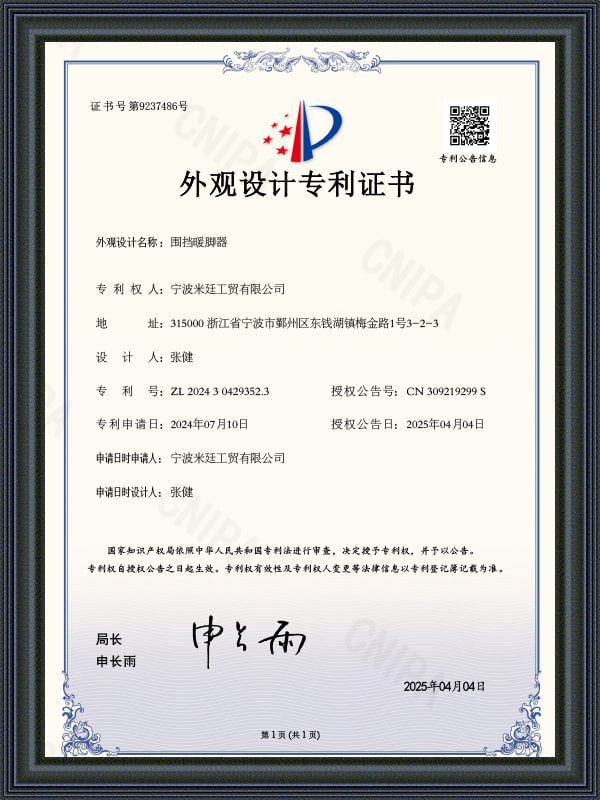
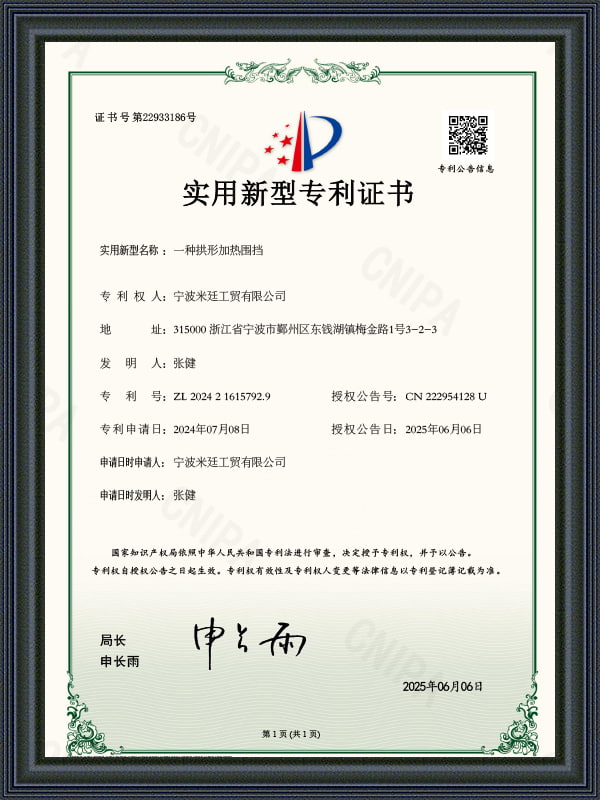
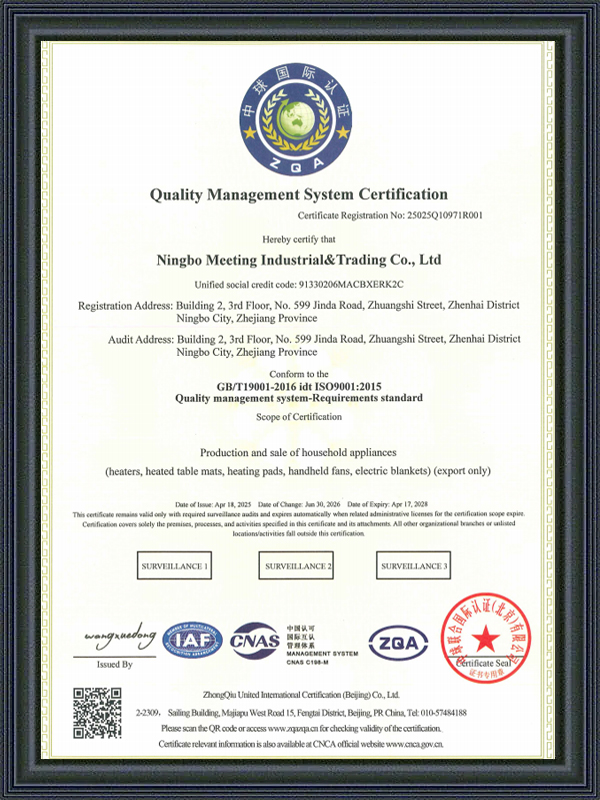
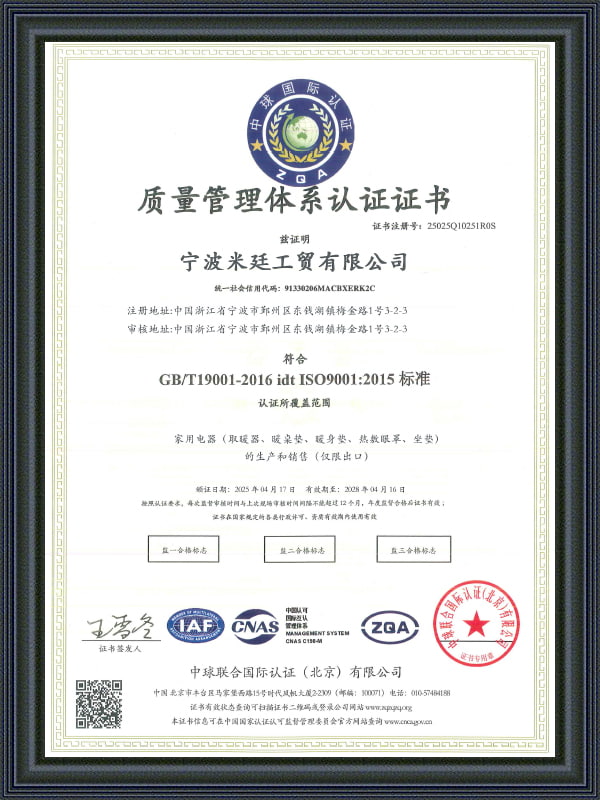
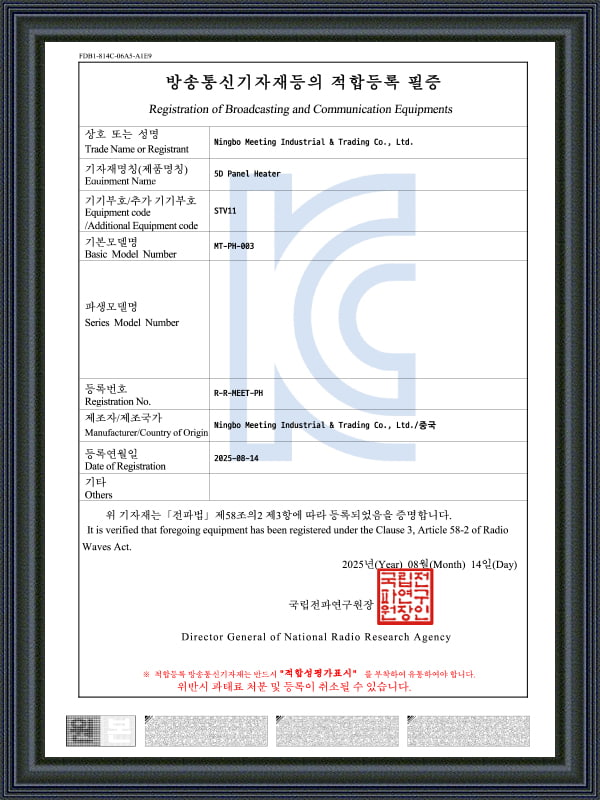
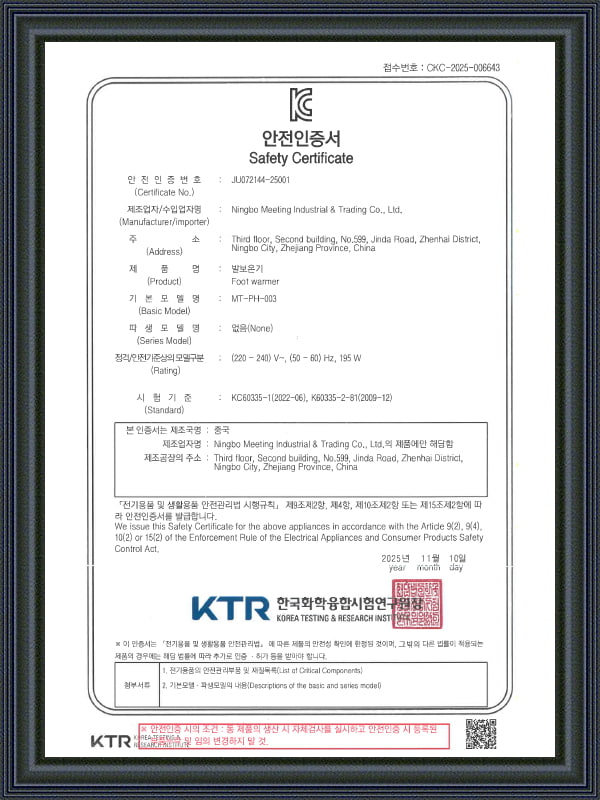
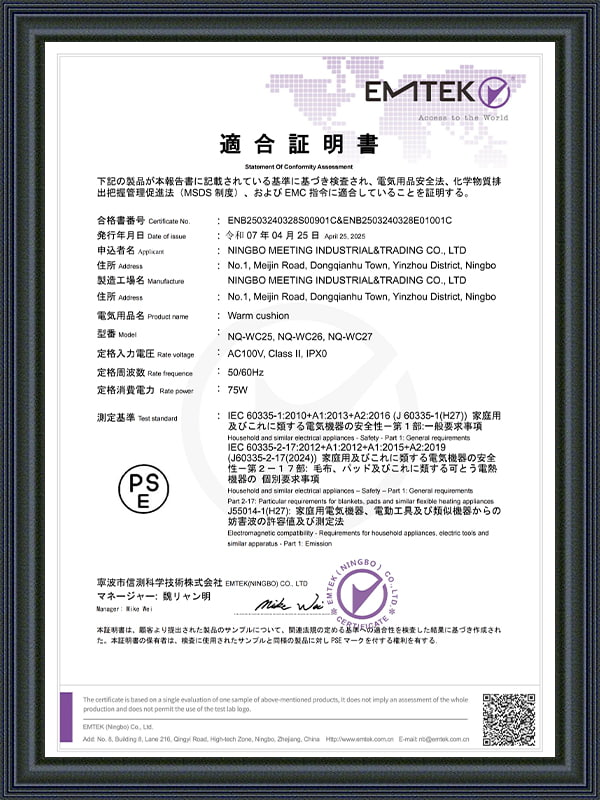
As a key player in the maternal and infant industry, Ningbo Meeting Industrial&Trading Co., Ltd has long focused on infant product research and production. In developing Baby Seat Cushion products, the company combines market demand and manufacturing expertise, continuously optimizing cushion structure and airflow systems, providing global customers with diverse OEM and ODM solutions. With a mature supply chain and comprehensive quality management, the company can meet diverse market requirements in size, material, fan structure, and brand customization.
Manufacturing Upgrades Driving Baby Seat Cushion Quality Improvement
As the global maternal and infant industry enters a stage of quality competition, manufacturing of Baby Seat Cushions shows clear technological upgrade trends.
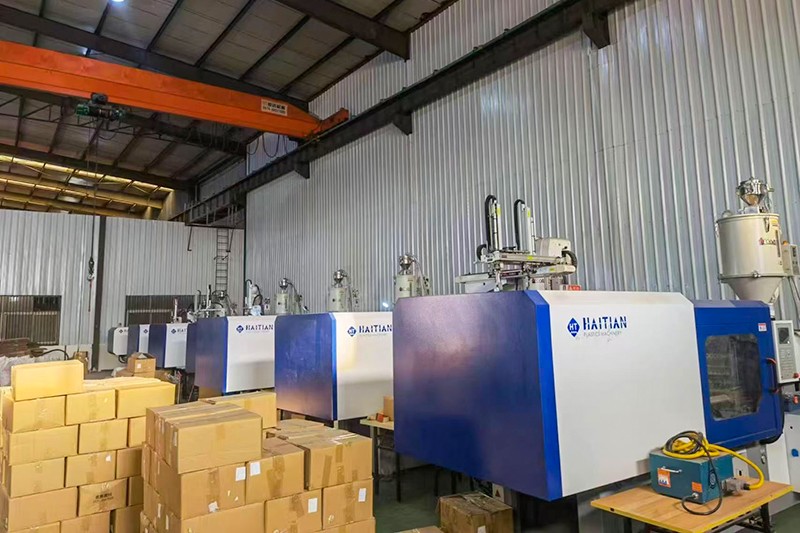
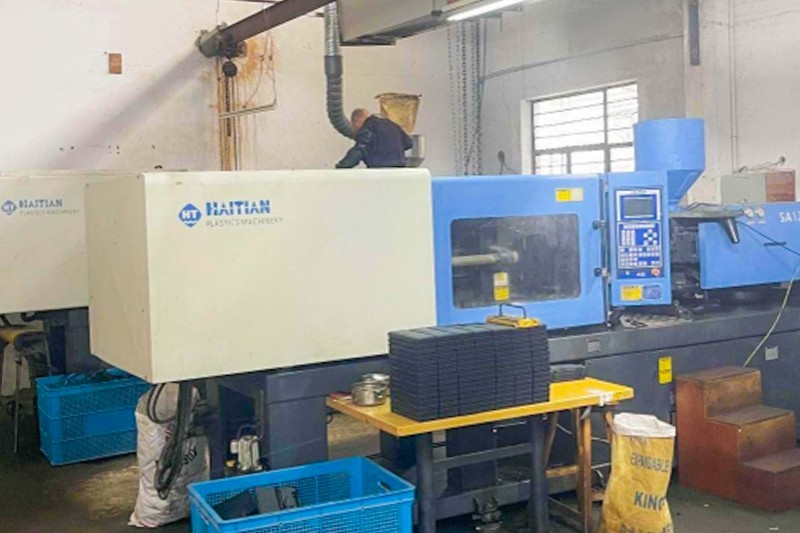
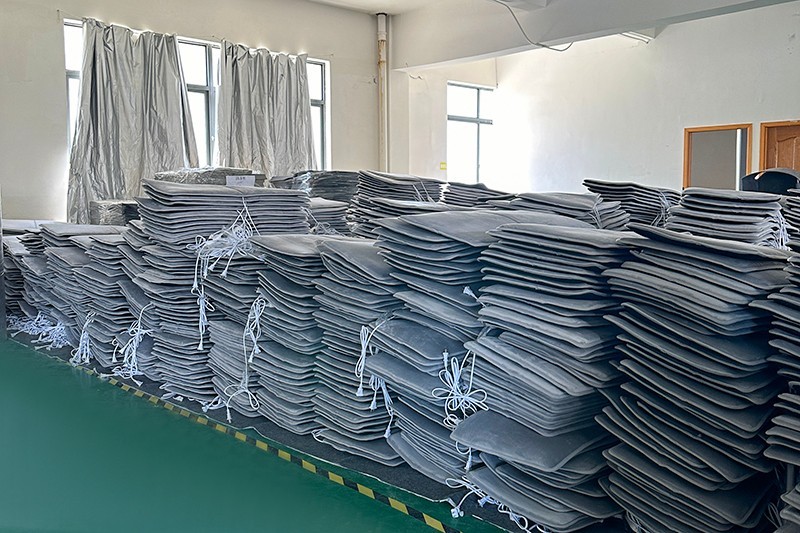
Previously, many cushion products could be produced with simple sewing processes. Today, products with built-in fans involve textile processing, plastic injection, electronic assembly, and complete machine testing.
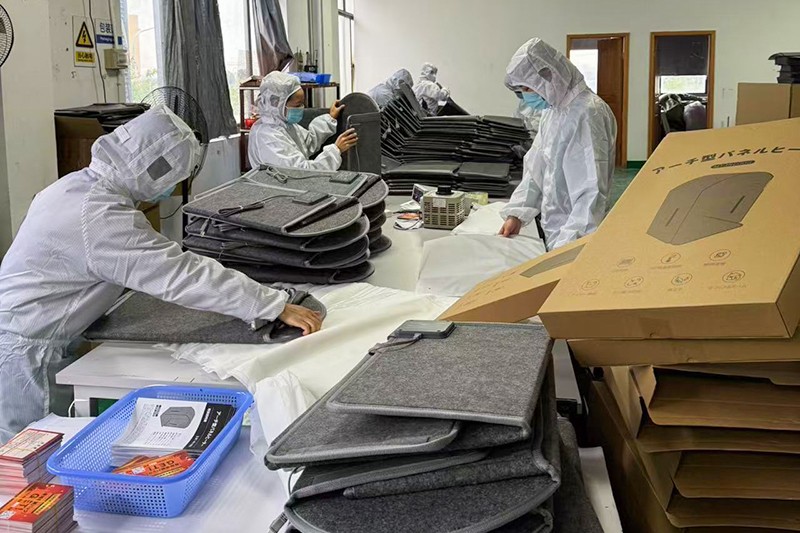
Modern factories use modular production, integrating fabric processing, fan assembly, and final assembly to improve efficiency and product consistency.
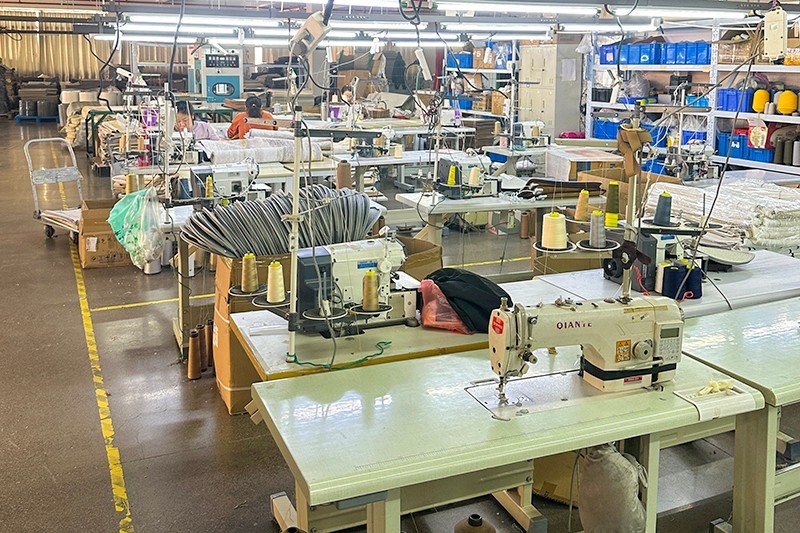
In fabric processing, precision cutting equipment ensures component dimensions match accurately. Automated sewing further improves production efficiency and guarantees appearance quality.
Fan module production requires higher technical standards. Motor balance testing, noise detection, and lifespan evaluation are critical. Only fans that pass rigorous testing enter final assembly.
To ensure durability, manufacturers conduct long-term operation tests. Simulated use environments evaluate continuous fan operation, airflow stability, and temperature rise.
At the same time, quality control systems are increasingly important. International markets have strict maternal and infant product safety requirements, with more stringent testing standards.
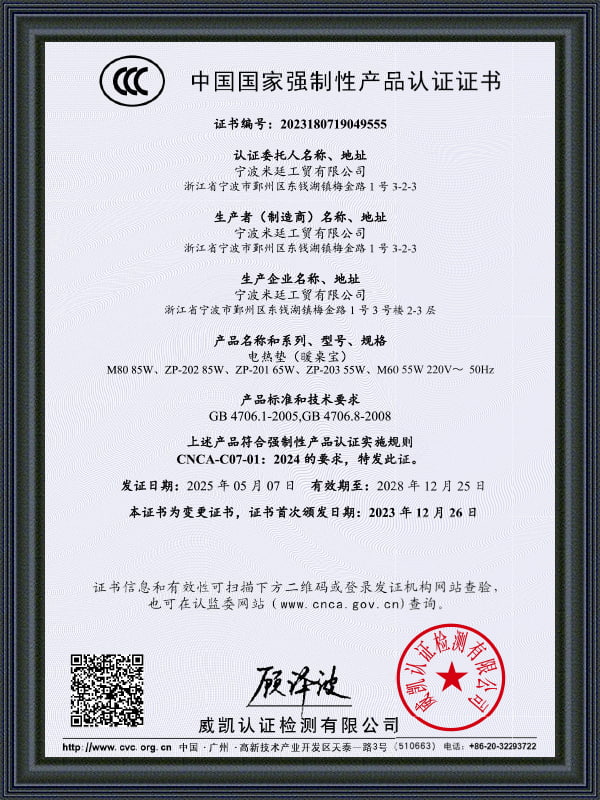
Professional suppliers ensure products meet multiple market regulations, including material safety, electronic safety, and child product standards.
In global procurement, brands increasingly prefer factories with R&D and customization capabilities. Simply relying on low-cost production cannot meet market demand. Manufacturers with design innovation and rapid response capabilities are more likely to obtain long-term cooperation.
For OEM and ODM business, customization ability is a core competitive advantage. Different countries have distinct preferences for size, color, pattern, and functional configuration.
Some markets prefer minimalist designs, while others emphasize cartoon elements and visual appeal. Factories need flexible production solutions to meet diverse customer requirements.
Recently, sustainable manufacturing concepts have influenced Baby Seat Cushion industry development. More suppliers adopt eco-friendly materials and energy-saving processes to meet international green product standards.
From raw material sourcing to packaging and transportation, all stages move towards more environmentally friendly approaches, enhancing global market competitiveness.
Global Baby Seat Cushion Industry Development Trends and Market Directions
The Baby Seat Cushion industry is in a stage of simultaneous functional and consumer upgrades. As technology innovation deepens, product value is shifting from a simple cushion to a comprehensive comfort solution.
Future markets will increasingly focus on intelligent features. Beyond basic ventilation, temperature monitoring, smart adjustment, and mobile connectivity are expected to gradually enter the market.
Ergonomic design will remain an important R&D direction. Different infant age groups have varying support needs, making more precise age-based designs appealing.
Material innovation also has broad potential. New breathable fibers, antibacterial materials, and high-elastic support materials will further improve comfort and safety.
Global consumers increasingly value product aesthetics. Baby Seat Cushions need


 English
 日本語
日本語 한국어
한국어 Deutsch