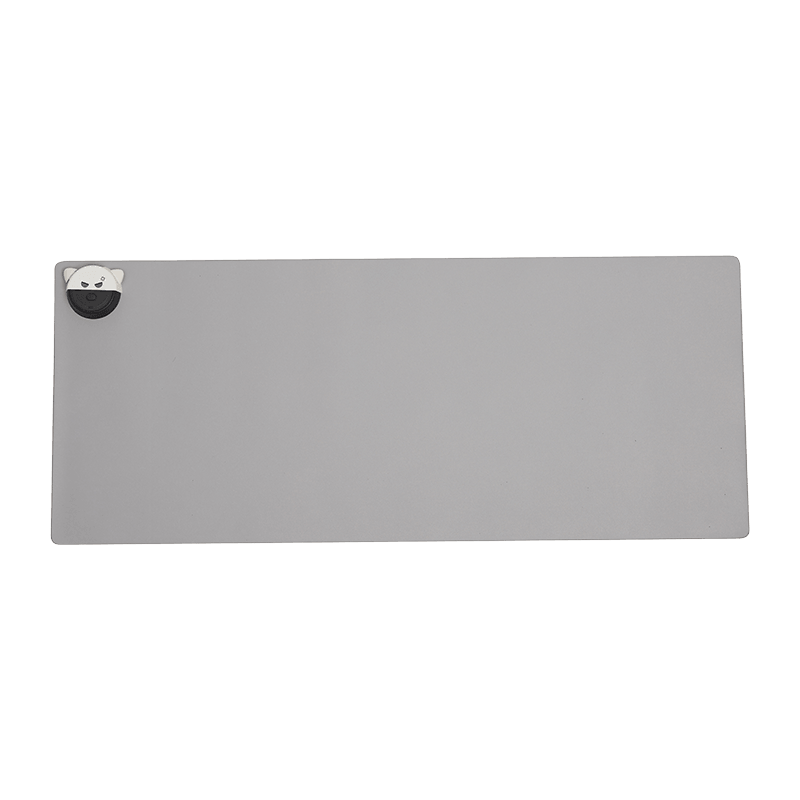
Evaluating the Thermal Safety and Compatibility of Heated Desk Pads with Desktop Peripherals
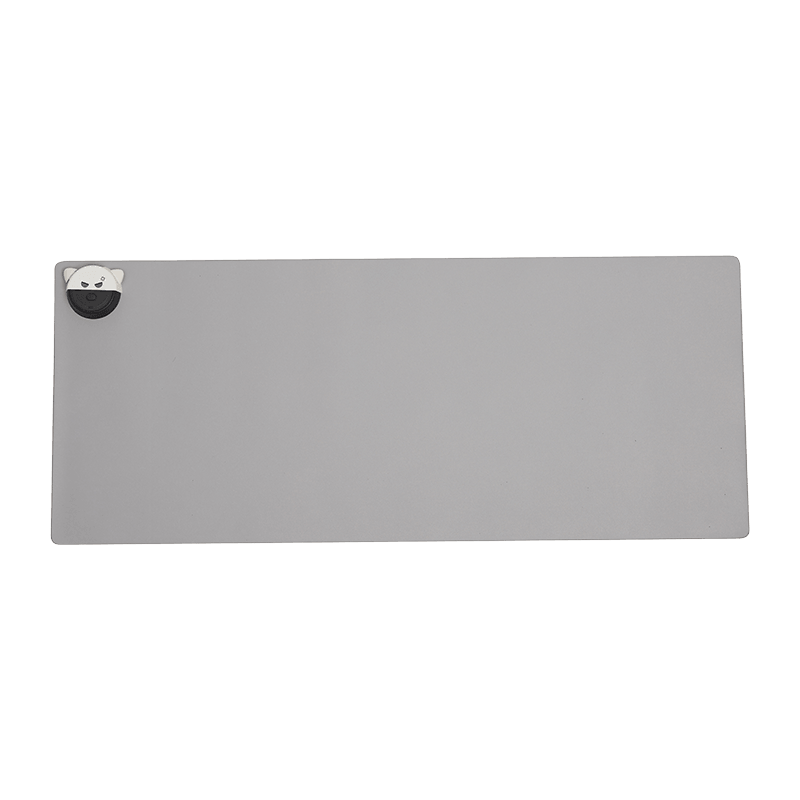
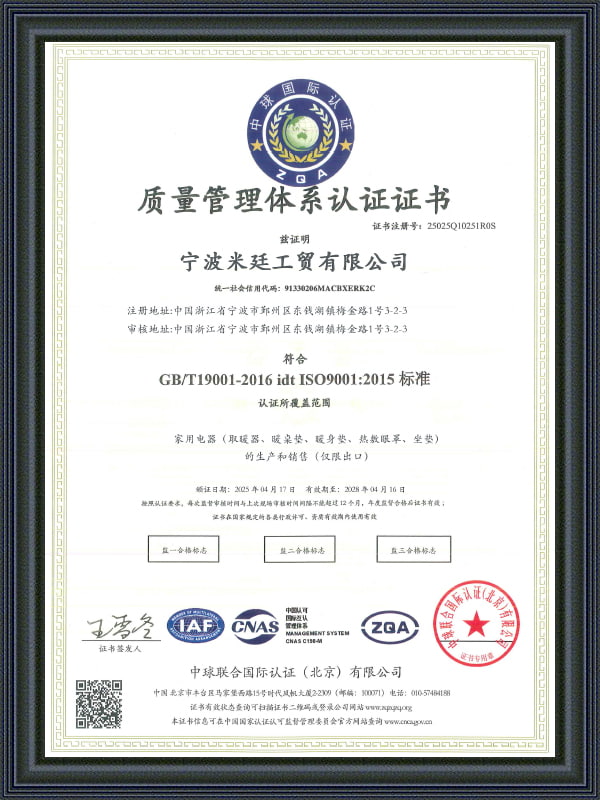
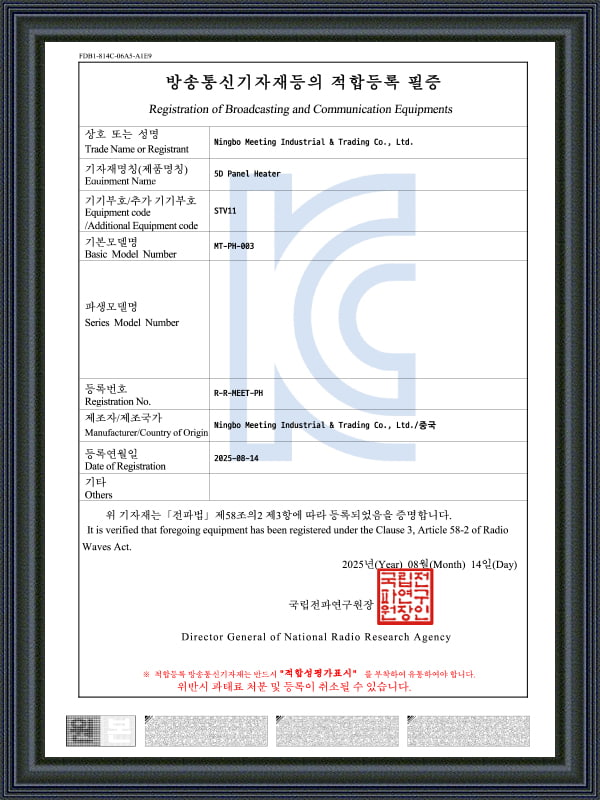
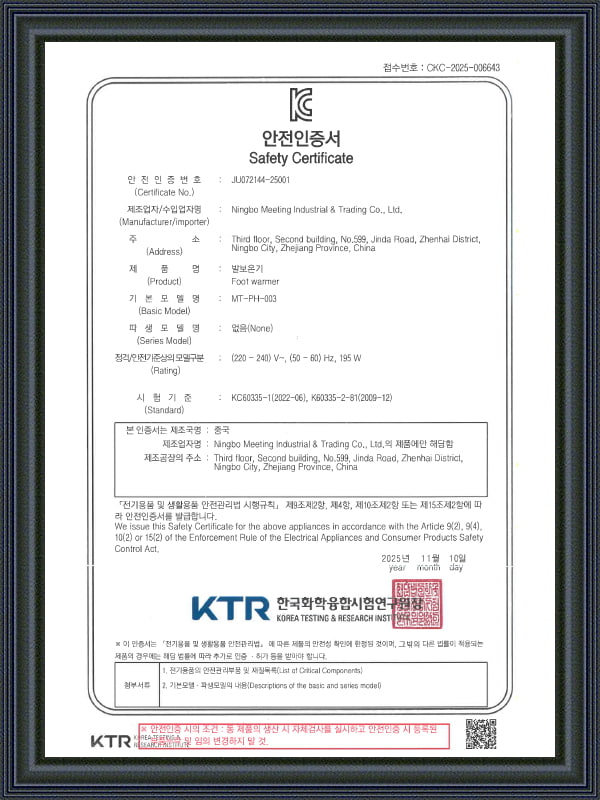
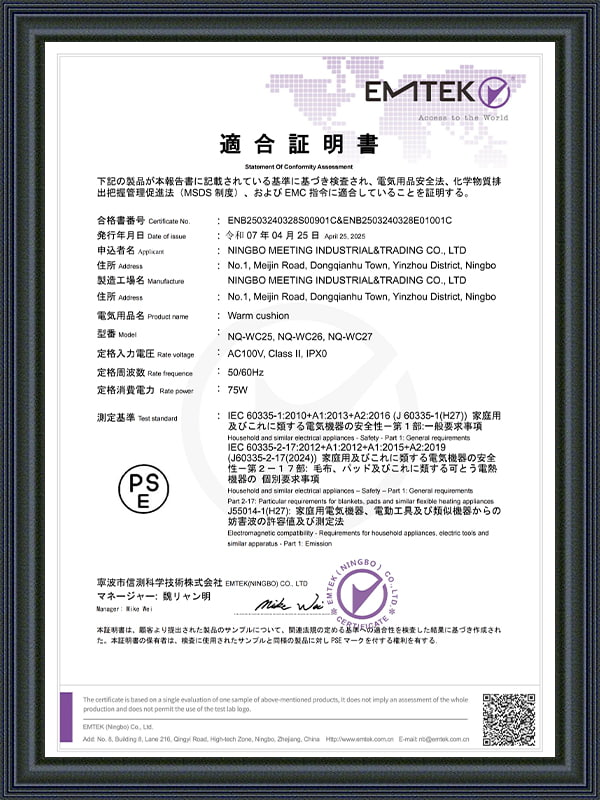
The integration of heating elements into workplace surfaces, such as desk accessories, requires balancing personal comfort with the operational requirements of electronic equipment. As modern work environments rely on laptops, mechanical or membrane keyboards, and optical or laser mice, the thermal profile of the workspace must remain within specific boundaries. Industrial manufacturers, including Ningbo Meeting Industrial&Trading Co., Ltd, evaluate these parameters during the design and development of heating appliances. A Heated Desk Pad must deliver sufficient thermal energy to warm a user's hands while keeping the surface temperature below the thresholds that cause hardware throttling, lithium-ion battery degradation, or structural warping of plastic peripherals.
Thermal Thresholds and Component Sensitivity of Desktop Electronics
Electronic office equipment is engineered to dissipate internal heat into the surrounding atmosphere, and their safe operating thresholds are well-documented by computer hardware manufacturers. Most modern laptops are designed to operate in ambient environments up to 35 degrees Celsius, with internal processing chips safely managing temperatures up to 100 degrees Celsius before initiating thermal throttling. Keyboards and mice predominantly utilize Acrylonitrile Butadiene Styrene (ABS) or Polybutylene Terephthalate (PBT) plastics, which possess heat deflection temperatures well above 60 degrees Celsius. Heated desk pads engineered for office environments are structurally regulated to maintain a maximum surface temperature range between 40 and 45 degrees Celsius, which sits safely below the structural softening points of peripheral plastics and the critical storage temperature limits of internal laptop components.
The Impact of Surface Heating on Laptop Cooling and Lithium-Ion Batteries
Laptops present a specific engineering consideration because they draw cooling air from their undersides and contain integrated lithium-ion batteries, which are sensitive to external thermal loading. When a laptop is placed directly onto a heated surface, the rate of conductive heat transfer into the lower chassis increases. To mitigate this heat transfer, heated desk pads utilize a multi-layered design where the heating element is covered by insulating felt, polyurethane leather, and a thermal diffusion sheet. This structural configuration prevents the formation of intense, localized hot spots. While the bottom of the laptop absorbs mild warmth, standard rubber feet on the lower chassis create an air gap that allows the internal cooling fans to draw sufficient air, ensuring that internal battery temperatures remain below the 45 degrees Celsius threshold where accelerated degradation or structural swelling typically begins.
Operational Integrity of Optical Mice and Mechanical Keyboards
Computer mice rely on optical or laser sensors that read surface textures through a small glass or plastic lens on the bottom plate. If a heated desk pad experiences material warping or emits volatile organic compounds due to heat exposure, the tracking accuracy of the sensor can be altered. High-quality desk mats utilize heat-stabilized synthetic leather surfaces that remain flat and rigid under continuous thermal cycles, preserving the uniform tracking environment required by the sensor. Similarly, mechanical and membrane keyboards feature copper traces or rubber dome matrices that can expand slightly under thermal duress. By restricting the pad's energy output to a low-wattage density, the structural expansion of the keyboard housing is minimized, preventing key binding or accidental input registration during prolonged typing sessions.
Comparative Matrix of Peripheral Thermal Tolerances and Mat Outputs
To analyze how surface heating intersects with the structural limits of desktop hardware, the table below contrasts standard peripheral tolerance limits against the engineered output parameters of commercial heated desk pads.
| Desktop Component |
Critical Thermal Threshold |
Typical Pad Output (High Setting) |
Safety Margin |
| Laptop Bottom Chassis (ABS/Aluminum) |
60°C to 70°C (Battery Storage Limit) |
42°C to 45°C |
15°C to 25°C below critical limit |
| Mechanical Keyboard Base (PBT/ABS Plastics) |
75°C to 85°C (Heat Deflection Point) |
40°C to 43°C |
35°C to 42°C below softening point |
| Optical/Laser Mouse Underplate |
65°C (Sensor Lens Distortion Limit) |
38°C to 42°C (Varies by movement area) |
23°C to 27°C below distortion point |
| Internal Lithium-Ion Battery Cells |
45°C (Maximum Safe Charging State) |
35°C to 38°C (Accounting for rubber feet gap) |
7°C to 10°C below active throttling zone |
Active Microprocessor Controls and Zoned Thermal Management
To guarantee that a heated desk pad does not suffer from thermal runaway if a heavy object is left on it, manufacturers integrate active safety features into the control module. Product developers at Ningbo Meeting Industrial&Trading Co., Ltd incorporate smart NTC thermistor lines that communicate directly with a centralized printed circuit board. If a laptop blocks the natural radiant dissipation of the mat, causing heat to build up in that specific quadrant, the sensor detects the resistance shift and throttles the electrical current to the heating loop via pulse-width modulation. Furthermore, many configurations utilize a segmented layout where the central typing and laptop placement zones feature a lower wattage density than the side zones designed for hand placement, optimizing heat delivery while protecting sensitive electronic components.
Material Decontamination and Anti-Static Protection Frameworks
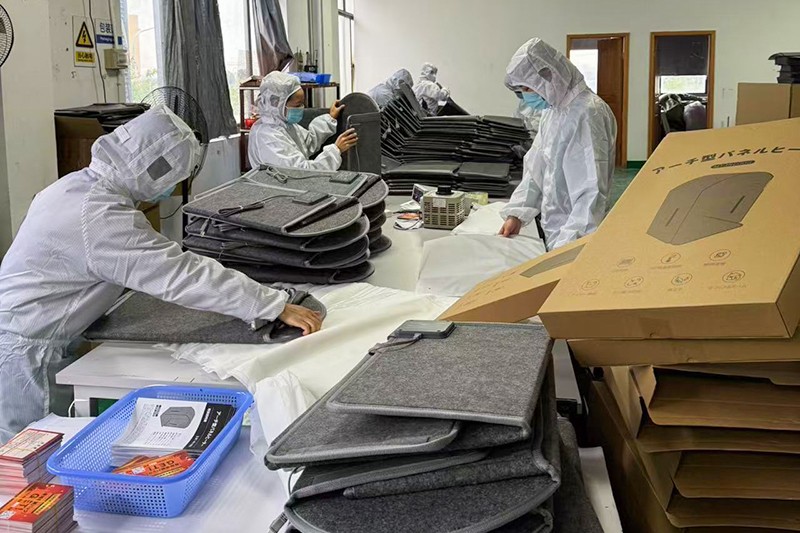
A secondary hazard for desktop electronics is the accumulation of static electricity or the migration of manufacturing plasticizers when a material is heated. Modern heated desk mats are processed with anti-static surface treatments during the lamination phase, ensuring that the movement of synthetic fabrics or plastic mice across the surface does not discharge high-voltage static shocks into the laptop USB ports. Additionally, the assembly passes through automated drying ovens to outgas any volatile compounds before packaging. This step ensures that when the mat reaches operating temperatures in an office setting, it does not release chemical vapors that could condense as a film on optical mouse lenses or within mechanical key switches, keeping peripheral performance stable over multi-year operational cycles.
FAQ
Q: How does the product development focus at Ningbo Meeting ensure that a Heated Desk Pad remains safe during multi-hour professional office use?
A: Our emphasis on safety and practical household design drives the integration of smart automatic timers within the control module. If the desk pad is left unattended during long meetings or at the end of a workday, the internal circuit breaks the current automatically after a set operational window, preventing unnecessary energy consumption and heat buildup.
Q: What specific material engineering prevents the surface of the heated desk pad from warping or peeling under continuous thermal exposure?
A: To maintain high structural standards and market adaptability, the top layer utilizes multi-layered, heat-stabilized polyurethane synthetic leather. This material is cross-linked with heat-resistant resins during manufacturing, ensuring the desk pad remains flat, smooth, and texturally consistent even after hundreds of heating cycles.
Q: Can the heating settings of the desk pad be adjusted to accommodate different ambient office environments?
A: Yes, keeping user practicality in mind, the control hub features multiple integrated temperature modes managed by a responsive controller. This enables professionals to easily toggle the thermal output to match seasonal transitions, providing mild warmth in air-conditioned summer offices or higher heat densities during winter seasons.
Q: How does the internal electrical insulation protect users who frequently rest their forearms or hands on the desk pad?
A: The internal heating grid is wrapped in dual-layer silicone insulation sleeves and embedded within a supportive cushion layer. This multi-tiered barrier shields the user from direct electrical contact and flattens the thermal distribution, providing consistent warmth without creating intense hot spots that could cause localized skin discomfort.
Q: How does the compact, flat packaging profile of your desk pads support global distribution and market adaptability?
A: As an integrated manufacturer, we design both the appliance and its packaging for optimized logistics. The desk mats are engineered to roll tightly without creasing the internal heating conductors, reducing shipping volume and allowing international retail partners to stock and display the product efficiently in diverse market spaces.
Q: What measures are taken to ensure the desk pad does not slide across polished wood or glass workspaces during rapid mouse movements?
A: The underside of the heated desk pad features an anti-slip, high-friction matrix material that is laminated directly to the core structure. This backing provides strong surface traction on smooth desk materials, ensuring that the pad remains securely anchored during intensive typing, gaming, or general office work.


 English
 日本語
日本語 한국어
한국어 Deutsch