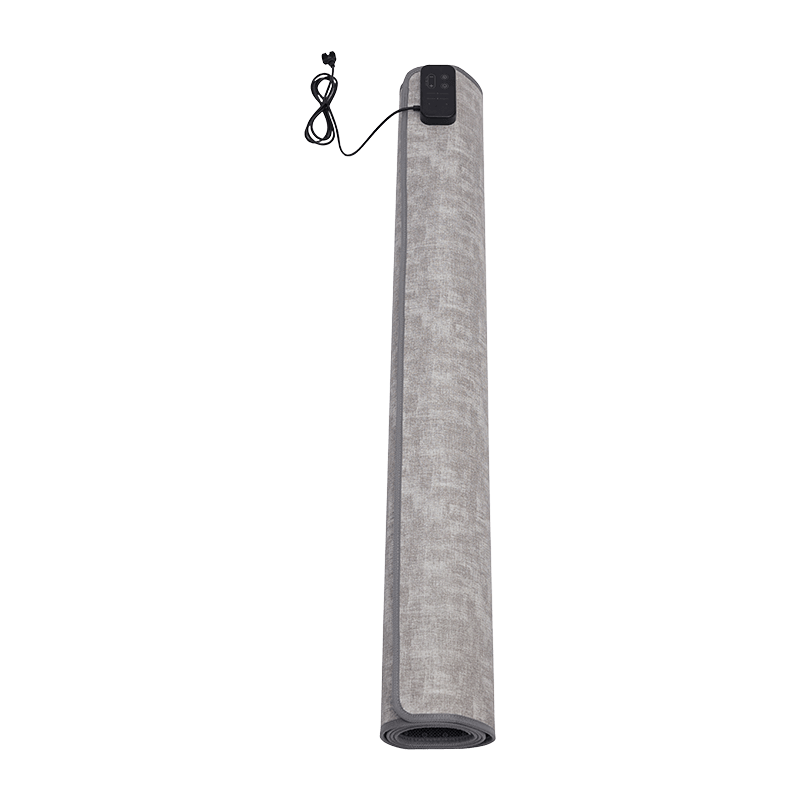
Thermal Safety Architecture and Overheating Prevention Mechanisms in Industrial Floor Heating Mats
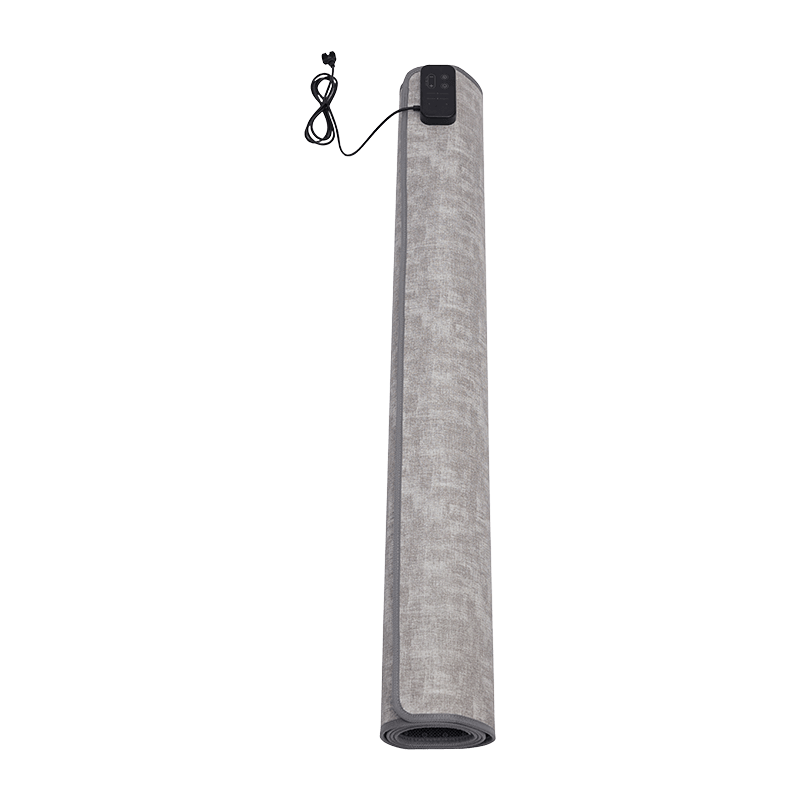
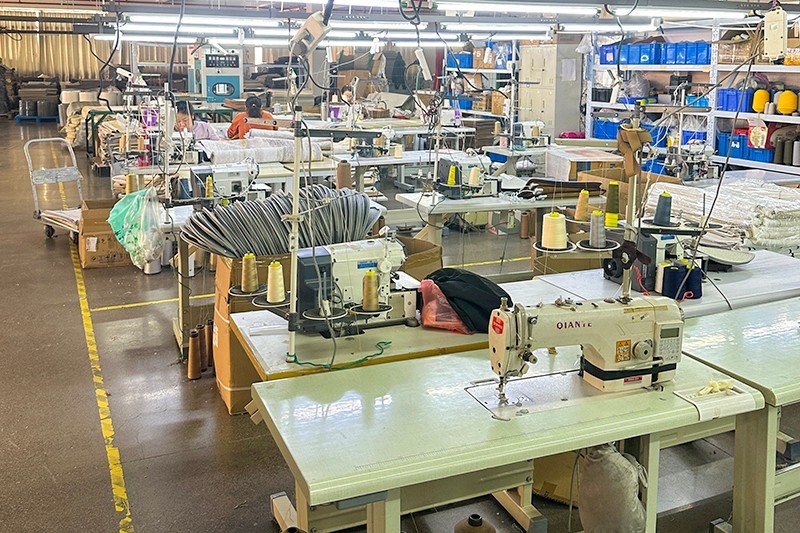
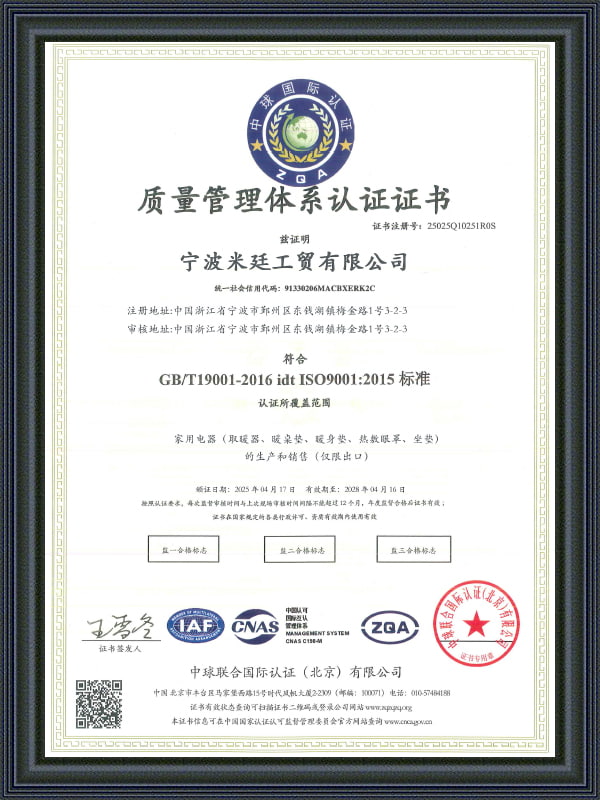
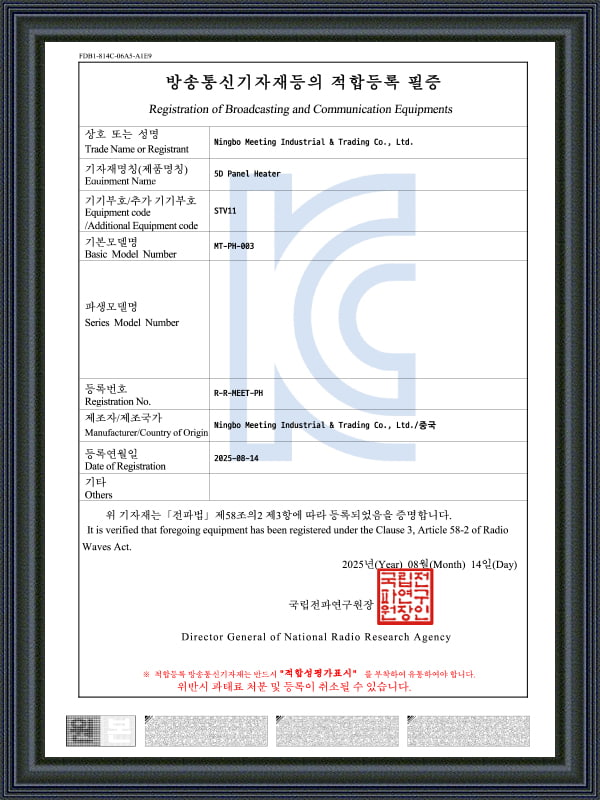
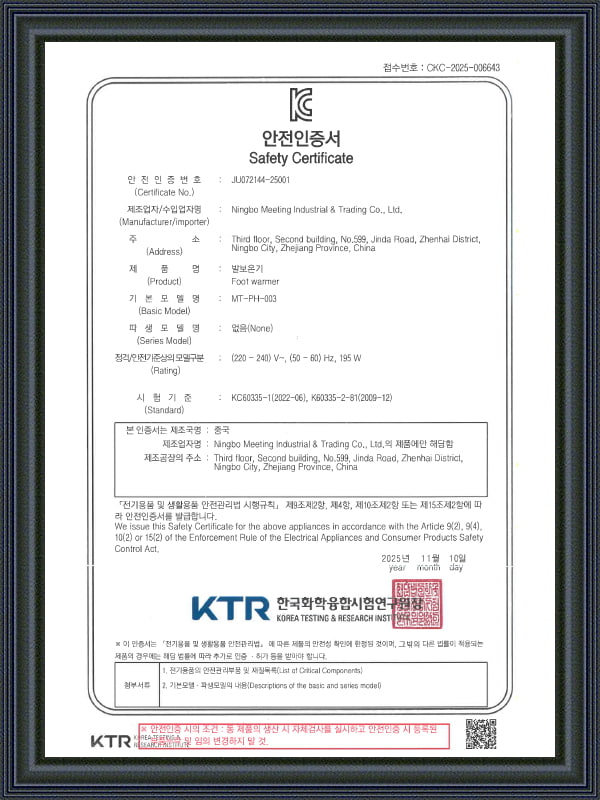
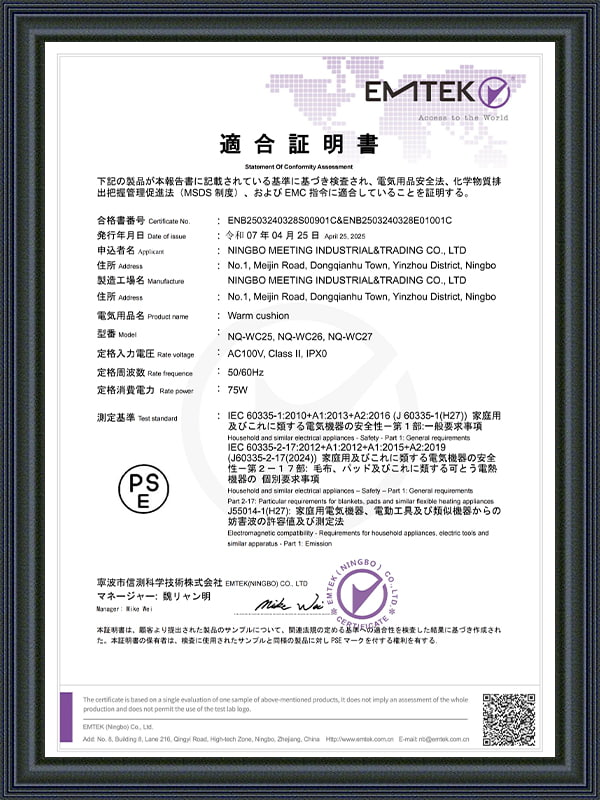
The development of large-scale electrical heating appliances for residential and commercial flooring requires a rigorous focus on thermal management, material stability, and active safety systems. Because these appliances are subject to continuous physical compression, covering by furniture, and prolonged operational cycles, managing localized heat accumulation is a fundamental engineering requirement. Manufacturing organizations, including Ningbo Meeting Industrial&Trading Co., Ltd, focus on integrating multi-layered thermal barriers, PTC (Positive Temperature Coefficient) heating elements, and automated circuit interruption systems within their large heated floor mat product lines. These engineering protocols ensure that the appliance balances efficient ambient heat distribution with active preventative measures against thermal runaway and localized fire hazards.
Advanced Material Layering and Flame-Retardant Insulation Substrates
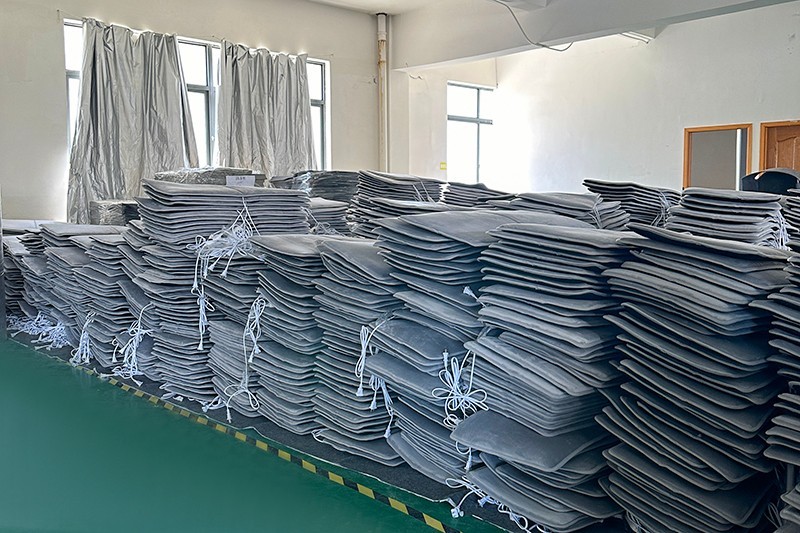
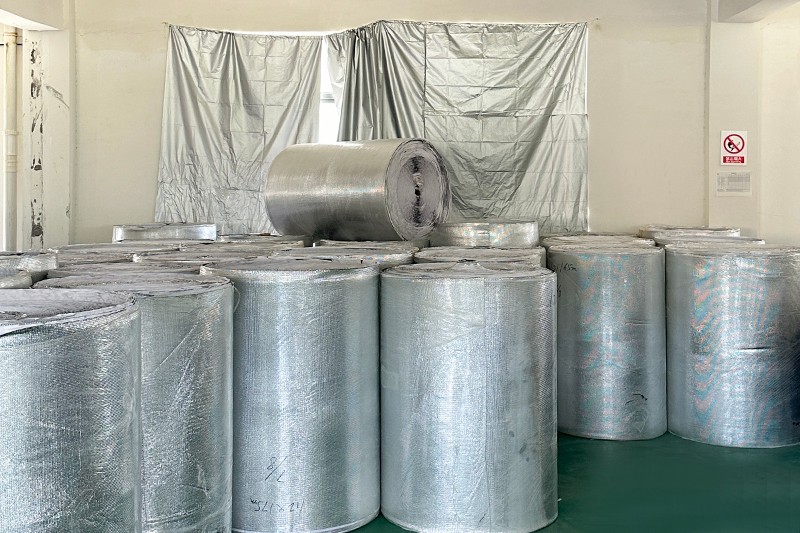
The structural foundation of a large heated floor mat consists of several functional material layers designed to isolate the electrical components from the external environment while facilitating uniform heat dissipation. The outermost cover typically utilizes a wear-resistant, waterproof synthetic material that is chemically treated with flame-retardant additives to prevent ignition in the event of an external spark. Beneath this exterior skin lies a high-density thermal insulation substrate. This layer reflects the generated thermal energy upward toward the target environment, preventing heat from sinking into the subfloor structure where it could accumulate unchecked. The internal wires or carbon elements are embedded within fiberglass or silicone matrices that possess high thermal threshold ratings, meaning they maintain their mechanical and electrical insulation properties even when subjected to continuous operational temperatures at the upper design limits.
Positive Temperature Coefficient (PTC) Heating Wire Technology
Traditional floor heating systems rely on constant-resistance alloy wires that continue to generate the same wattage of heat regardless of the surrounding temperature, creating a high risk of localized overheating if an object blocks the surface airflow. Modern thermal engineering utilizes Positive Temperature Coefficient (PTC) materials within the core wire configuration. The conductive matrix of a PTC element expands at a microscopic level as its temperature increases. This physical expansion increases the internal electrical resistance of the material, which naturally reduces the current flow through the circuit. Consequently, if a specific area of a large heated floor mat is insulated by a heavy cushion or furniture piece, the temperature in that localized zone rises, triggering an immediate drop in electrical wattage in that section alone. This self-regulating behavior restricts localized heat development before it can approach dangerous thresholds.
Multi-Point Thermal Sensors and Centralized Thermostat Integration
To supplement the self-regulating properties of the heating elements, electronic control systems regulate the total power distribution across the appliance network. Large floor mats incorporate a matrix of NTC (Negative Temperature Coefficient) thermistors distributed at strategic intervals along the internal grid. These sensors continuously monitor the internal operating temperature and transmit real-time resistance data to a centralized microprocessor. If any individual sensor registers a temperature spike that deviates from the predefined safe operating envelope, the controller modulates the input voltage via solid-state relays or pulse-width modulation. This localized monitoring ensures that the overall system performance adapts dynamically to changing environmental loads, such as direct sunlight or drafts, preventing uniform heat accumulation from turning into a broader system risk.
Comparative Matrix of Passive and Active Safety Systems
Maintaining a secure operational state requires a combination of independent physical behaviors and electronic monitoring loops. The table below outlines how specific integrated technologies within the product lines of Ningbo Meeting Industrial&Trading Co., Ltd function to address specific thermal failure modes during extended usage scenarios.
| Safety Component |
Operating Principle |
Target Failure Mode |
System Response Type |
| PTC Core Matrix |
Material expansion increases electrical resistance as temperature rises |
Localized insulation trapping from blankets or cushions |
Passive autonomous wattage reduction |
| NTC Thermistor Grid |
Continuous real-time temperature sensing via resistance mapping |
General system thermal drift beyond user settings |
Active electronic microprocessor regulation |
| Thermal Fuse Link |
Irreversible physical melting of a calibrated alloy link |
Microprocessor failure or sustained electrical short-circuit |
Passive absolute circuit interruption |
| Flame-Retardant Jacket |
Chemical self-extinguishing compound integration |
External ignition risks and localized insulation breakdown |
Passive structural containment |
Emergency Over-Temperature Cutoff and Thermal Fuse Mechanisms
In scenarios where electronic control microprocessors experience software lockups or external voltage surges that bypass standard regulation loops, mechanical backup protection is required to guarantee system safety. Large heated floor mats are engineered with series-connected thermal fuses embedded directly alongside the primary current pathways. These fuses contain a calibrated bismuth or indium alloy link configured to melt at a specific threshold, typically between 80 and 95 degrees Celsius. Because these components operate via absolute physical changes rather than electronic logic, they are immune to software errors. When the cutoff temperature is reached, the alloy link separates instantly, causing an irreversible open circuit that terminates all power delivery to the mat, effectively neutralizing any potential fire hazard before the surrounding fabric can reach its flash point.
Current Leakage Protection and Mechanical Wear Mitigation
Overheating risks are not exclusively caused by thermal insulation; mechanical degradation of the internal conductor wires due to foot traffic or folding can create localized high-resistance points or minor electrical arcs. To counteract this operational wear, the internal wiring networks utilize multi-strand oxygen-free copper or carbon fiber threads bundled together within a high-flexibility silicone sleeve. This multi-strand geometry prevents complete conductor separation under physical stress. Furthermore, the power supply module is equipped with a Residual Current Device (RCD) or Ground Fault Circuit Interrupter (GFCI) link. If a wire sleeve compromises and current leaks toward the flooring substrate, the control unit detects the milliampere current imbalance within milliseconds, tripping the main circuit breaker to eliminate electrical heating risks caused by structural grounding faults.
FAQ
Q: How does the product development team at Ningbo Meeting ensure a Large Heated Floor Mat accommodates different furniture weights without damaging the heating elements?
A: The engineering process focuses heavily on practical durability and safety under structural loads. The internal wiring utilizes multi-strand, high-flexibility conductors encased in high-density compression padding, which distributes localized weight from furniture legs evenly and protects the electrical grid from structural pinching or mechanical wear.
Q: What specific measures are implemented to ensure that a large heated floor mat remains safe if liquids are accidentally spilled on its surface?
A: In alignment with our emphasis on product safety and household practicality, the outer jacket of the mat is constructed using advanced high-frequency weld seams and waterproof synthetic materials. This design creates a secure fluid barrier that prevents water or spills from penetrating the internal heating matrix and causing electrical shorts.
Q: How does the market adaptability of your manufacturing process allow for custom sizing or voltage configurations in bulk heating appliance orders?
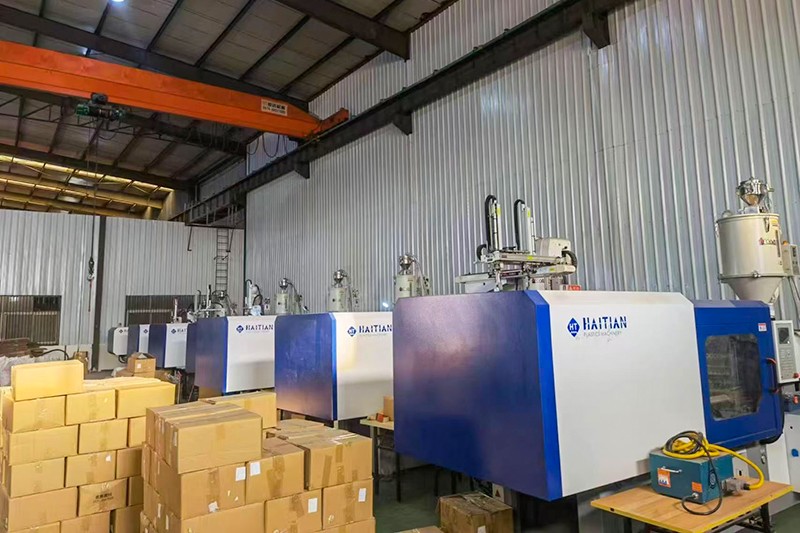
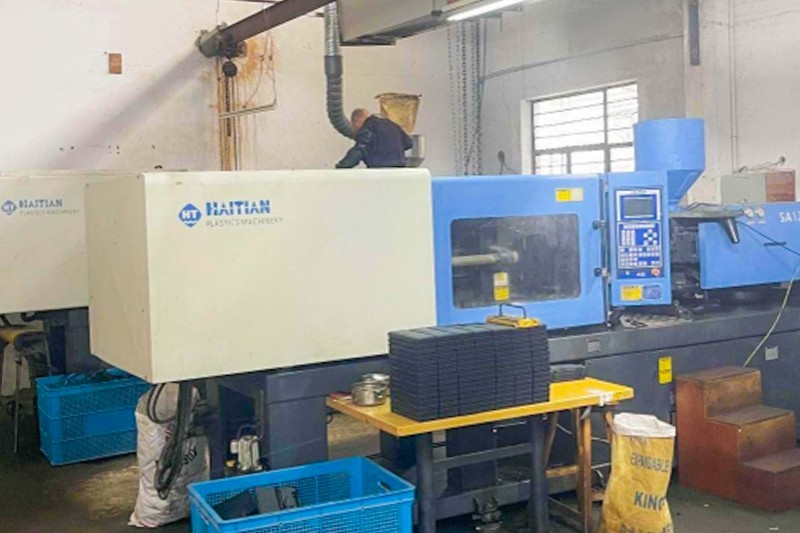
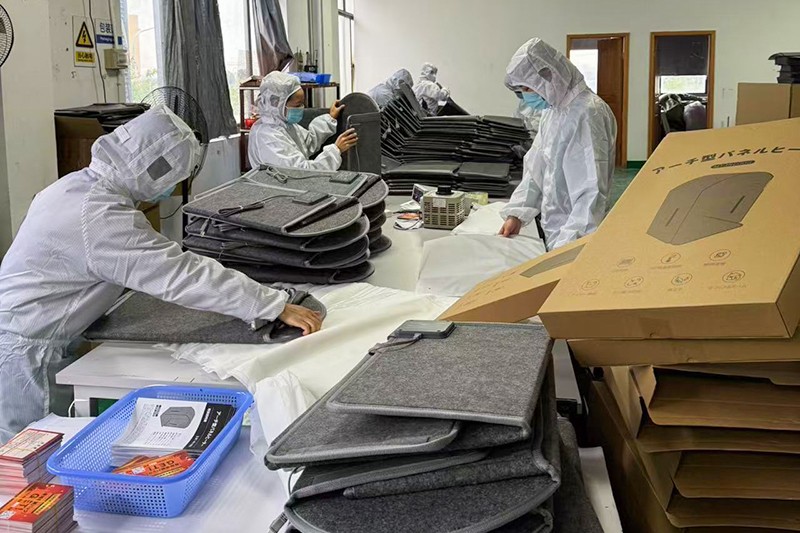
A: As an integrated manufacturer, the facility features flexible production lines that can adjust substrate cutting dimensions and internal resistance configurations. This production adaptability allows us to modify the physical dimensions and power requirements of the mats to match specific regional electrical codes and market preferences for global distributors.
Q: What automatic mechanism regulates temperature consistency across the expansive surface of a large heating mat?
A: The control architecture incorporates a distributed grid of thermal sensors that communicate directly with a centralized microprocessor. If localized areas experience temperature variations due to ambient factors like cold drafts or direct sunlight, the system dynamically modulates power delivery to maintain uniform heat without wasting electricity.
Q: How does the material composition of the floor mat minimize energy loss toward the subfloor?
A: The base layer integrates a specialized high-density thermal reflective barrier. This material restricts down-facing heat transfer, ensuring that the generated thermal energy is directed upward into the living space, which optimizes heating efficiency and protects sensitive flooring substrates from prolonged heat exposure.
Q: What backup systems are in place to eliminate fire hazards if the primary thermostat electronic controls experience an external power surge?
A: To fulfill our commitment to consumer safety, every unit is equipped with hardware-based thermal fuses wired in series with the main circuit. In the event of an abnormal temperature surge that bypasses the digital thermostat, these fuses physically melt to create an absolute open circuit, terminating all power independently of the electronic software logic.


 English
 日本語
日本語 한국어
한국어 Deutsch