How do different fabrics affect heat conduction and comfort?
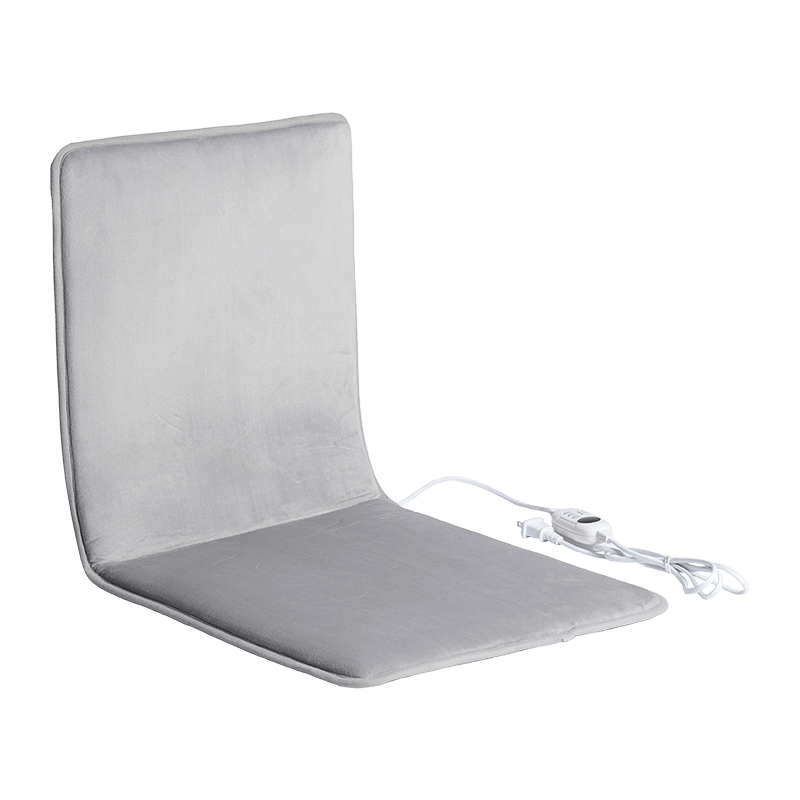
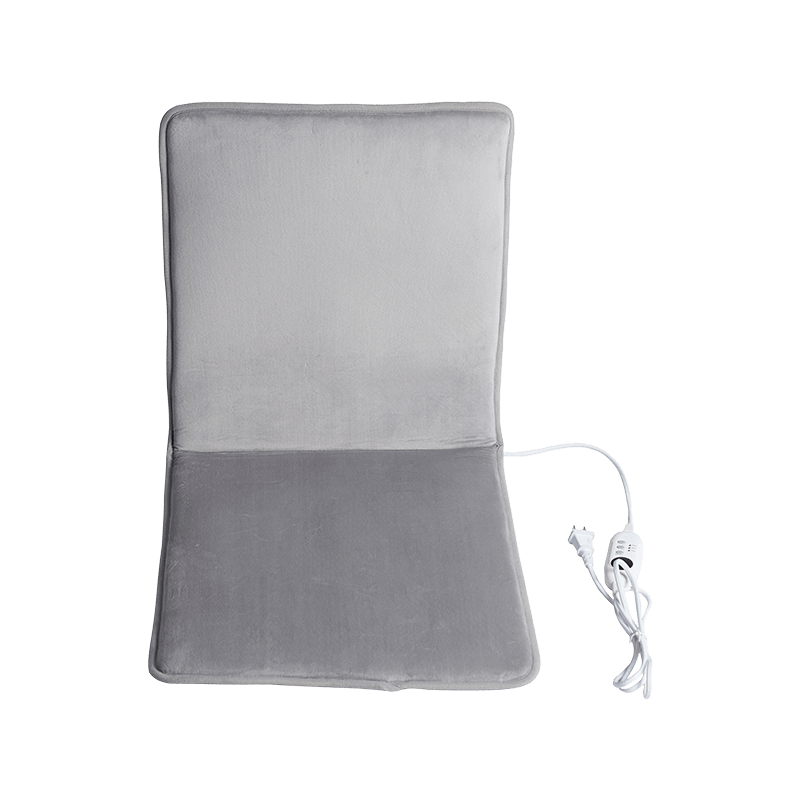
The fabric of a home heating pad affects not only tactile comfort but also directly influences heat conduction efficiency, heat distribution uniformity, and safety performance. From a thermodynamic perspective, the fabric essentially acts as both a "thermal resistance layer" and a "cushioning layer"; factors such as thermal conductivity, thickness, and structural density influence the user's ultimate sensation.
Cotton: Cotton is one of the most common outer materials. Its advantages include softness, skin-friendliness, and good breathability, making it suitable for prolonged skin contact. Because its thermal conductivity is moderate, heat is released gently—avoiding any "sudden burning sensation"—which enhances safety. However, its heat retention is average; heat dissipates easily, meaning higher energy consumption is required to maintain the same perceived temperature in cold environments.
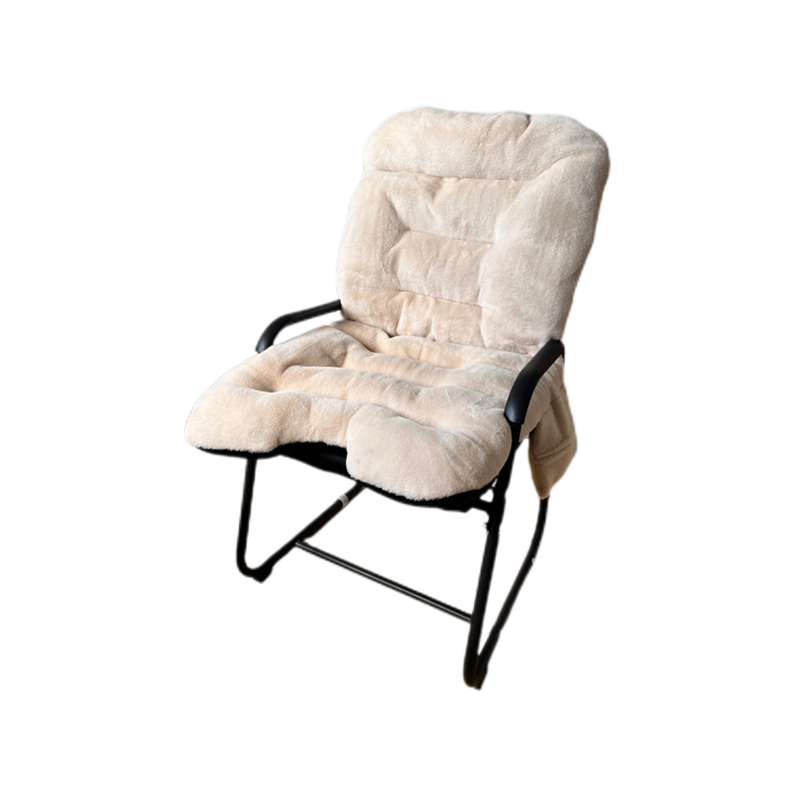
Flannel/Fleece: These materials create an insulating air layer through their fuzzy structure, offering strong heat retention that minimizes heat loss and provides a more concentrated, long-lasting warming effect. They are typically used for winter products or deep heat therapy. However, due to their high heat retention, imprecise temperature control systems could lead to localized heat accumulation and an increased risk of overheating; therefore, they must be paired with a stable temperature control system.
Polyester: Polyester is durable, cost-effective, and easy to clean, but it has poor breathability, preventing rapid heat dissipation. Localized high temperatures can occur during use, making it better suited for short durations or multi-layer designs (e.g., an inner heat-conducting layer combined with an outer soft layer).
Waterproof Coated Materials (TPU/PVC): These materials are primarily used for waterproofing and stain resistance. While they offer high thermal conductivity, they feel stiff and are less comfortable against the skin; consequently, they are usually employed as functional layers rather than direct-contact surfaces.
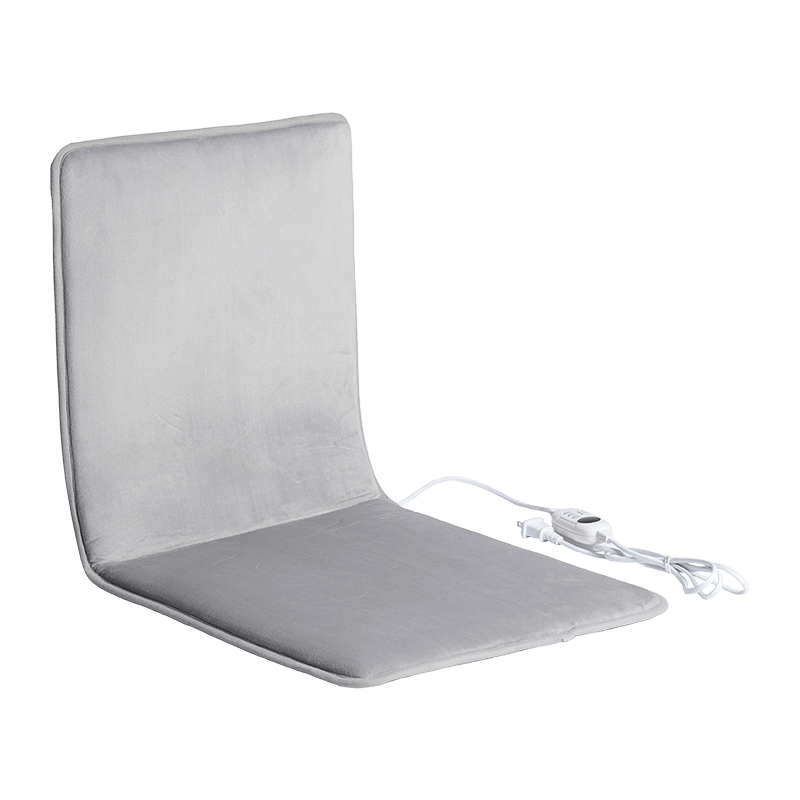
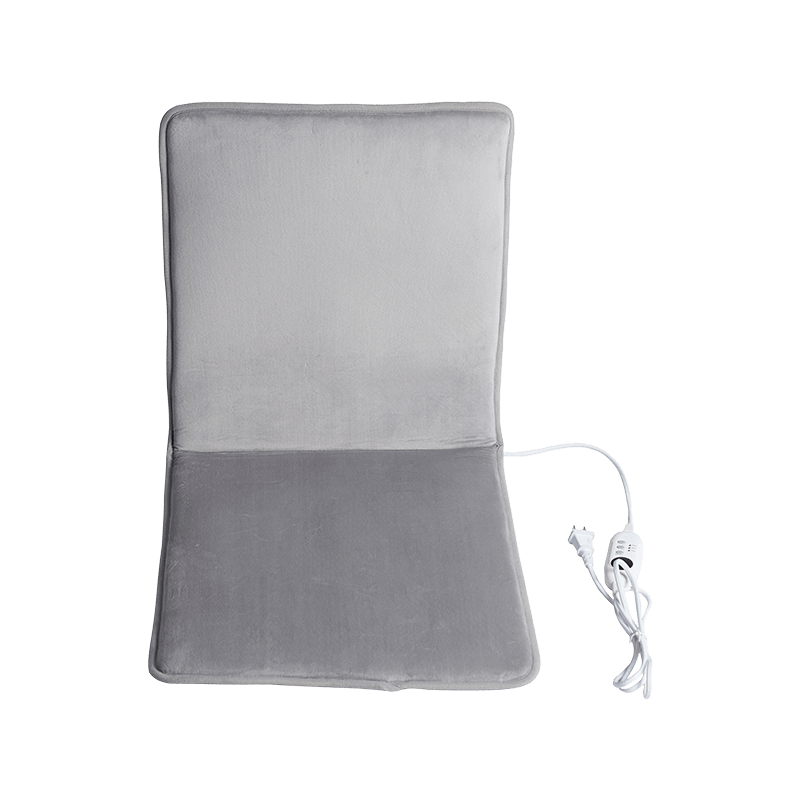
Overall, modern electric heating pads typically utilize a "multi-layer composite structure": An inner layer (uniform heat-conducting film) + a middle layer (thermal insulation/cushioning) + an outer layer (soft fabric). This combination achieves a user experience that is safe, uniform, and comfortable.
What are the optimal temperature and duration ranges for using a home heating pad?
Using a home heating pad requires balancing therapeutic heat benefits with safety risks. Human skin is highly sensitive to temperature; prolonged contact with temperatures exceeding 50°C can cause low-temperature burns, making temperature control crucial.
Recommended Temperature Range
- Daily comfort/soothing heat: 40°C–45°C (safest range)
- Deep muscle relaxation: 45°C–50°C (short-term use)
- Temperatures above 50°C for extended periods are not recommended
This range is based on human skin tolerance and circulatory responses. At 40–45°C, moderate vasodilation helps relieve muscle tension; while 45–50°C enhances local metabolism but requires shorter application times.
Recommended Duration
- Single session: 15–30 minutes
- Frequency: 1–3 times daily
- Allow at least a 30-minute interval between consecutive sessions
Prolonged heat application can cause moisture loss in the skin's stratum corneum, leading to dryness or sensitivity, and may trigger a "thermal adaptation effect" that reduces therapeutic efficacy.
Usage Scenarios
- Lower back/lumbar muscle strain: Higher temperature, shorter duration
- Shoulder and neck relaxation: Moderate temperature, moderate duration
- Sleep aid (before bed): Low temperature, longer duration (use a timer to auto-shutoff)
Summary of Safety Principles
Low temperature for a long time is better than high temperature for a long time; intermittent use is better than continuous use.
Properly controlling temperature and duration is key to ensuring both therapeutic effectiveness and safety.
How can the risk of low-temperature burns associated with home heating pads be minimized?
Low-temperature burns are a common hidden risk when using electric heating pads. They are characterized by prolonged contact with a source that is not excessively hot, yet causes deep-tissue skin damage; symptoms often do not appear until hours later or even the following day.
Mechanism of Risk Formation: When the skin is in prolonged contact with a heat source at approximately 40–50°C, local blood circulation slows down and heat gradually accumulates. This causes protein denaturation in the deep layers of the skin, resulting in a chronic burn.
Key Measures to Reduce Risk
Precise Temperature Control System: Use electric heating pads equipped with thermostatic chips or smart temperature control to prevent temperature drift. High-quality products continuously monitor the temperature via sensors and automatically adjust power output.
Automatic Shut-off Mechanism: Set an automatic shut-off function (e.g., 15–30 minutes) to prevent prolonged contact with the heat source while the user is relaxing or sleeping.
Use of an Insulation Layer: Placing a thin towel or cotton cloth between the skin and the heating pad effectively reduces the intensity of direct heat transfer and lowers the risk of localized overheating.
Avoid Sustained Pressure: Prolonged pressure on the same area impairs blood circulation and increases the risk of burns; therefore, users should periodically adjust their position or use the device intermittently.
Targeted Usage for Specific Groups: Diabetics, the elderly, and individuals with reduced sensory perception should exercise particular caution, as they have a diminished ability to sense temperature and are at higher risk.
Warning Signs
Discontinue use immediately if any of the following occur:
- Persistent skin redness
- Stinging sensations or numbness
- Abnormal darkening of the skin in the treated area
Summary of Core Principles: "Temperature control + Timers + Insulation layers + User-specific precautions = Four keys to reducing the risk of low-temperature burns"
How to Balance Comfort, Convenience, and Safety in Home Heating Pads?
The product design of home heating pads is essentially a multi-objective balancing act, requiring a systematic optimization strategy that addresses user experience (comfort), operational efficiency (convenience), and engineering constraints (safety).
Comfort: The core element defining user experience
Comfort stems primarily from three aspects:
- Fabric tactile feel (e.g., the softness of cotton or plush fabrics)
- Heat distribution uniformity (avoiding localized overheating or cold spots)
- Product fit (conformity to the human body's contours)
Utilizing flexible heating films or evenly spaced heating wires minimizes "point-source heating," allowing heat to diffuse naturally across the entire contact surface. Additionally, the use of skin-friendly outer fabrics (such as flannel or cotton) enhances comfort during prolonged use.
Convenience: A key factor determining usage frequency
Modern home heating pads increasingly emphasize "ease of use," characterized by:
- Lightweight design for easy portability between the sofa, bed, and workspace
- Foldable or compact storage structures to save household space
- Detachable power cords or controllers for easy cleaning
- Multi-level temperature control and one-touch operation for user-friendliness
- Timer functions to reduce the need for manual intervention
Ultimately, enhanced convenience ensures the product is ready for use whenever and wherever the user needs it.
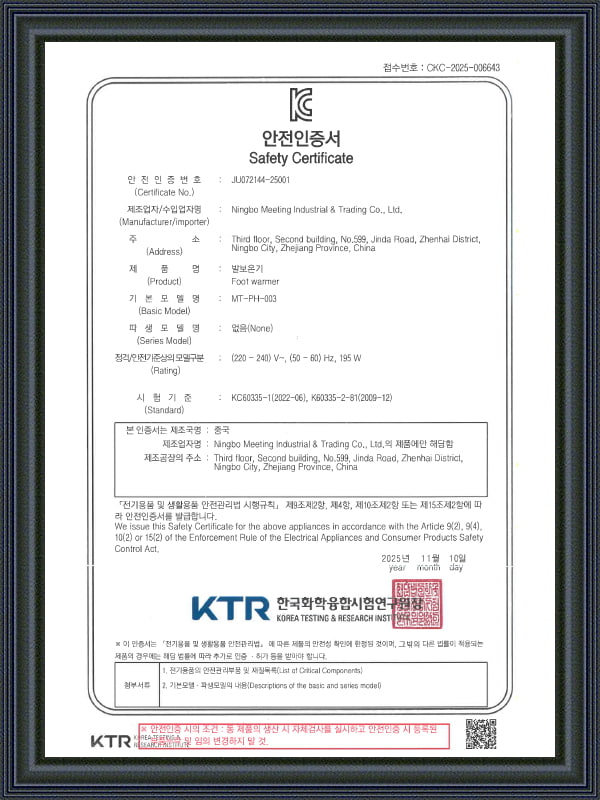
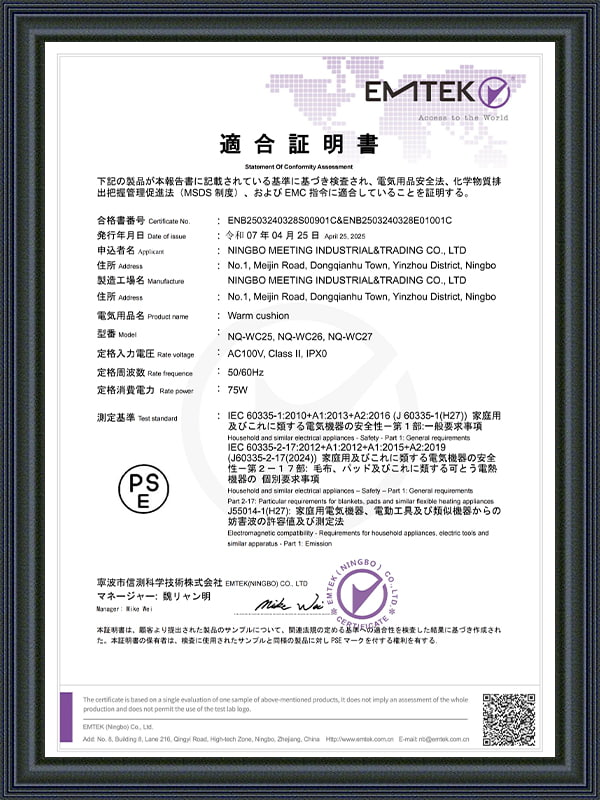
Safety: A mandatory design constraint
Safety serves as the foundation of all design, encompassing:
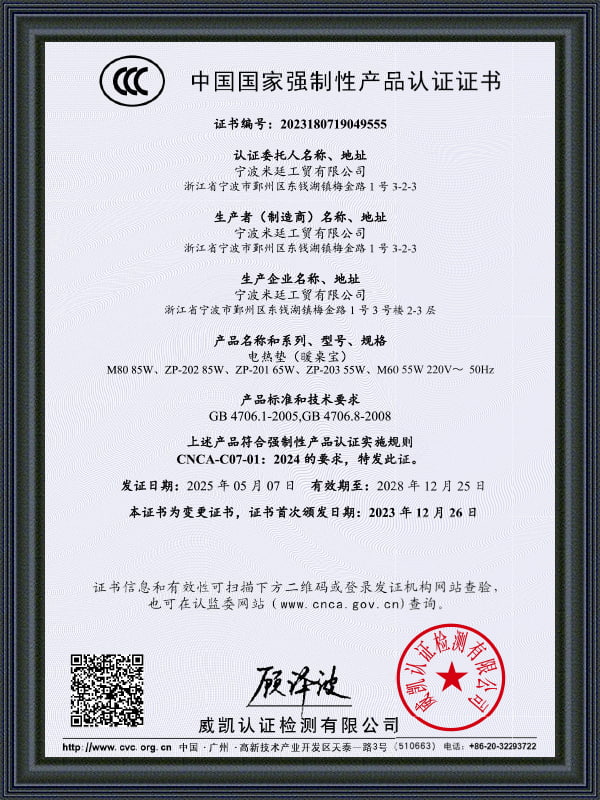
- Temperature control chips to prevent overheating
- Overload protection and automatic shut-off mechanisms
- Multi-layer insulation structures to prevent electric leakage
- Flame-retardant materials to enhance fire safety
- Timed shut-off to prevent prolonged exposure to heat sources
In practice, safety takes precedence over comfort and convenience; it is the critical benchmark for market entry.
Manufacturing capabilities: Supporting the balance of these three factors
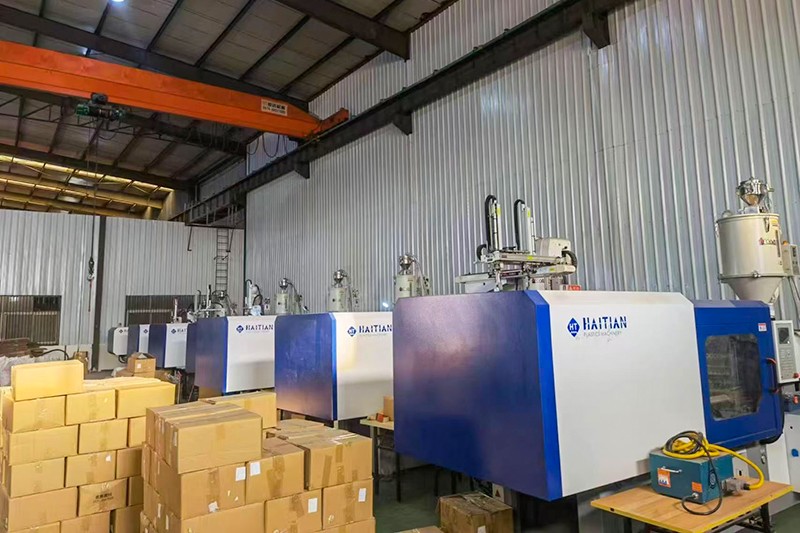
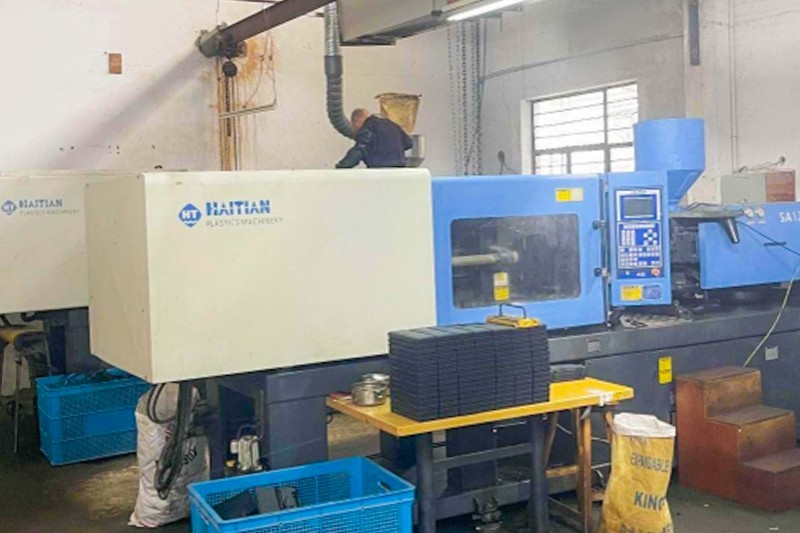
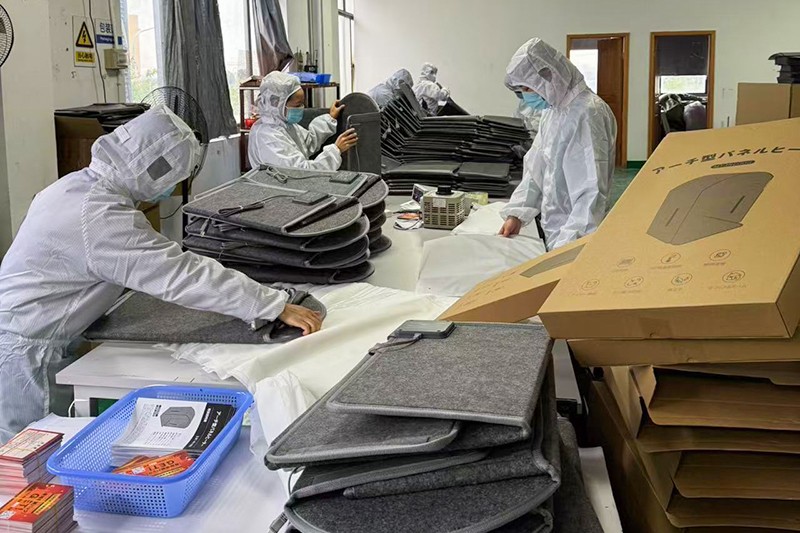
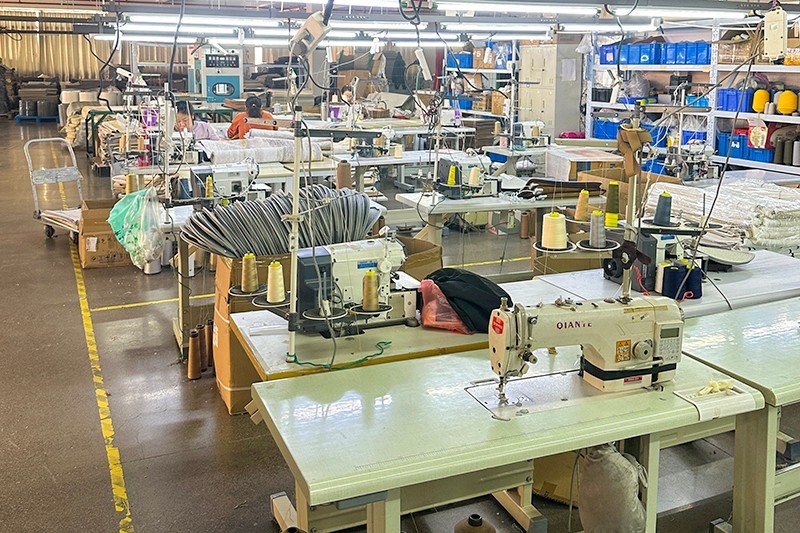
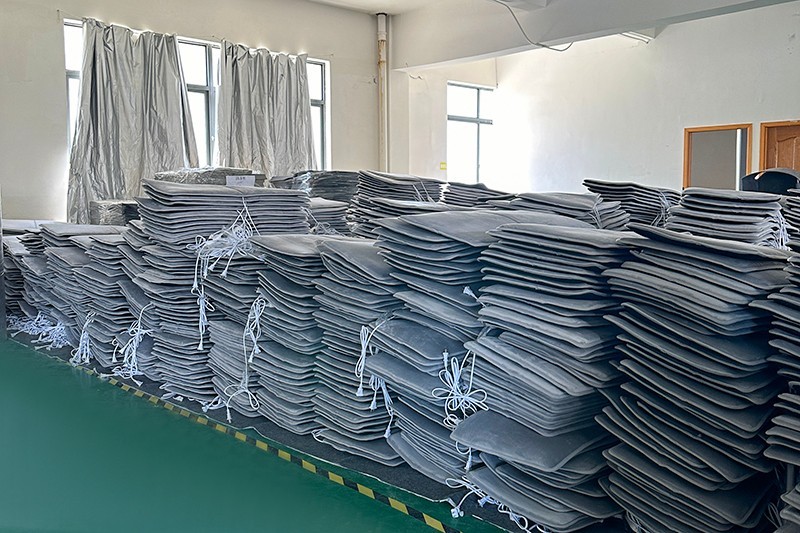
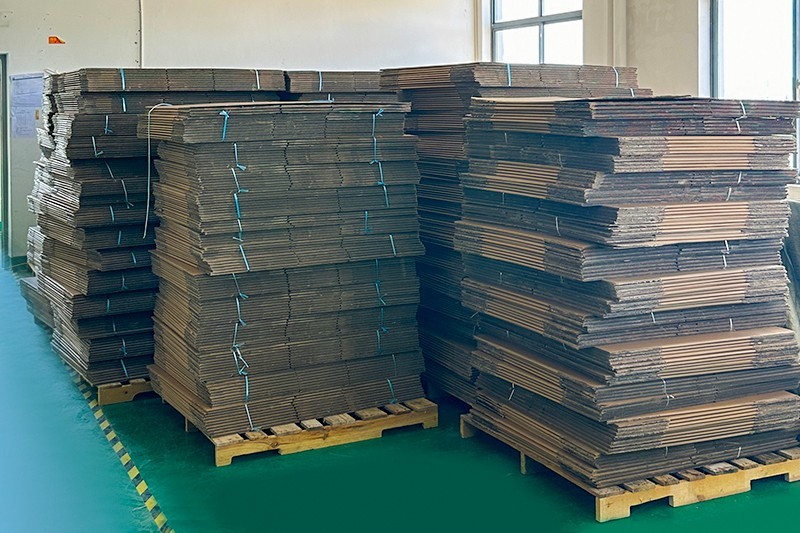
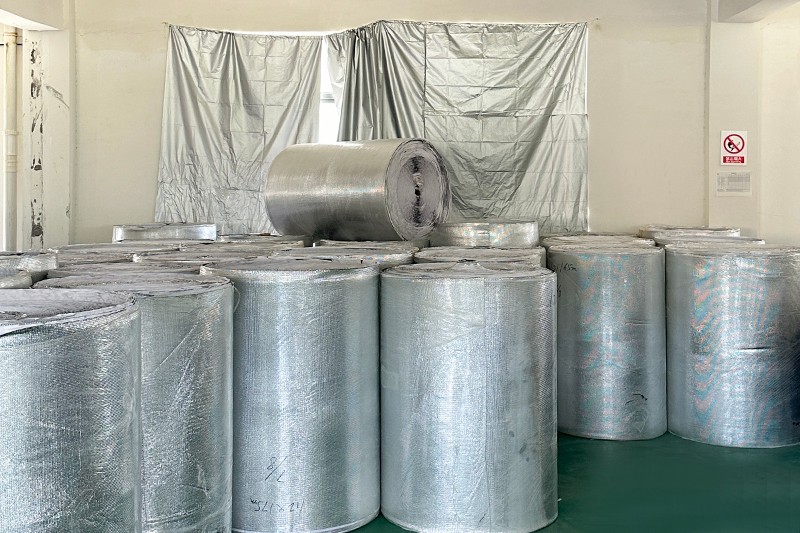
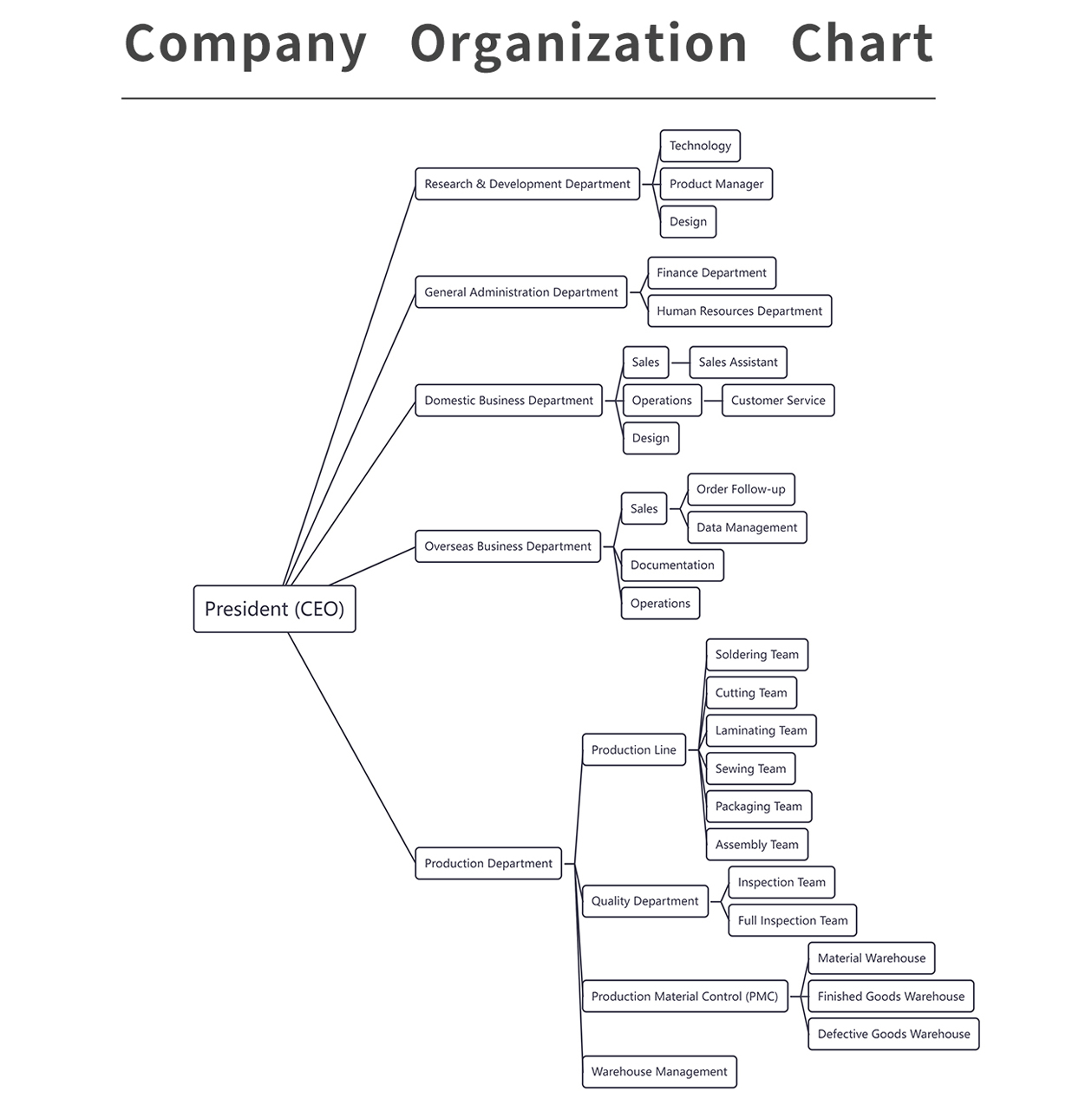
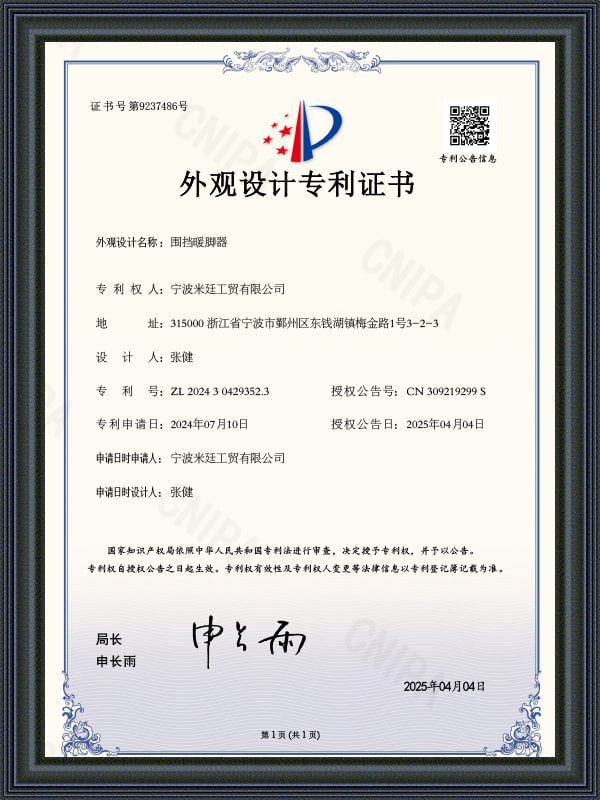
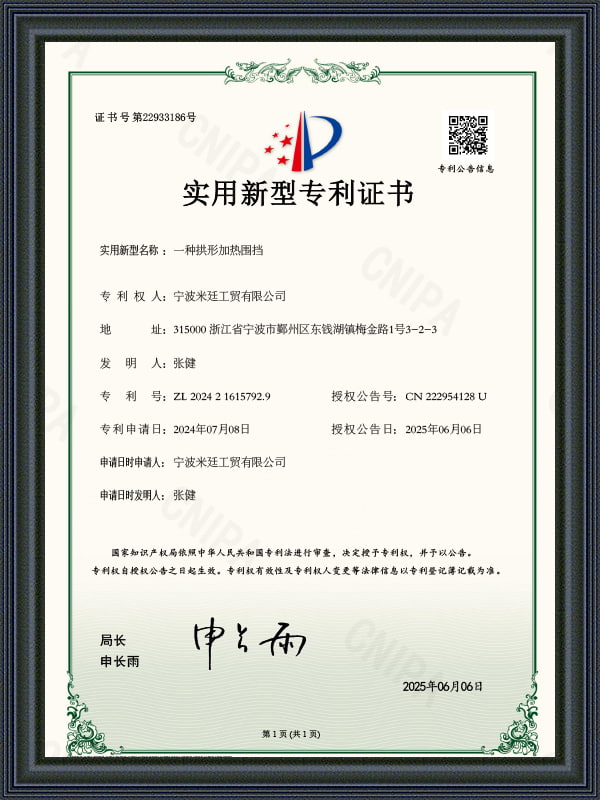
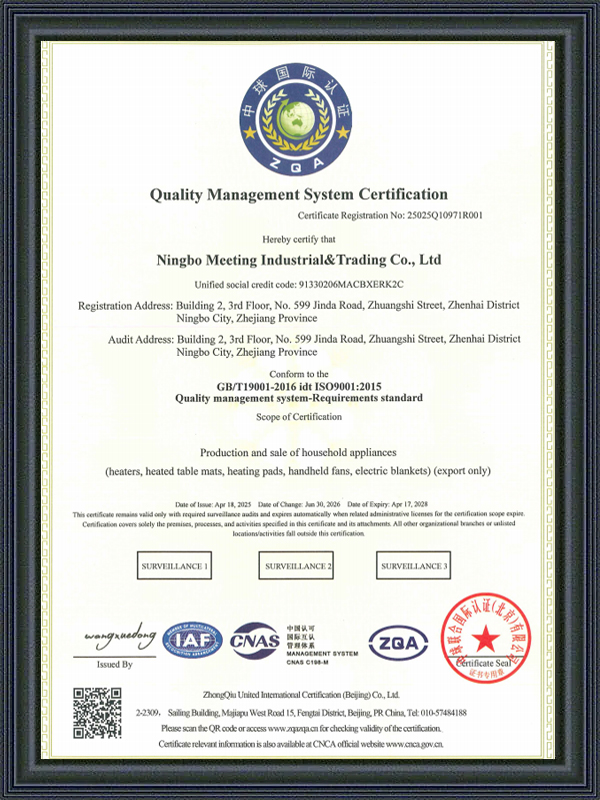
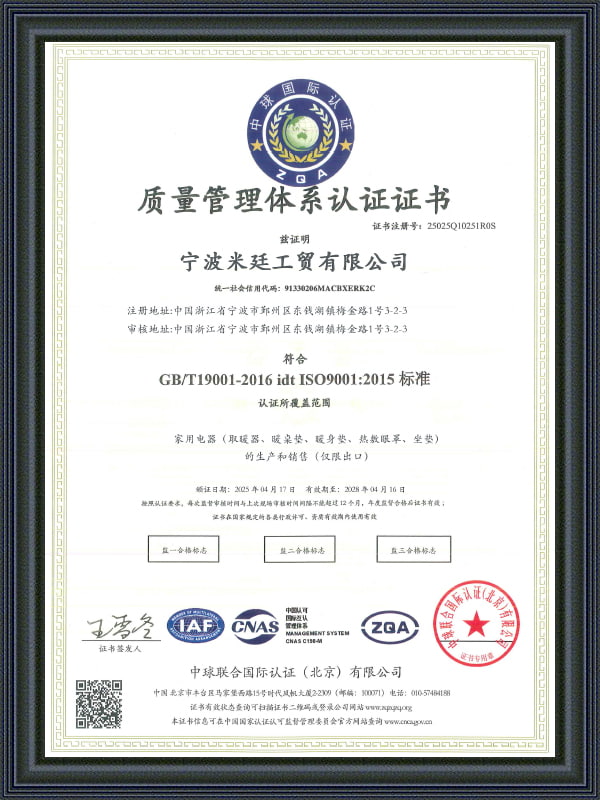
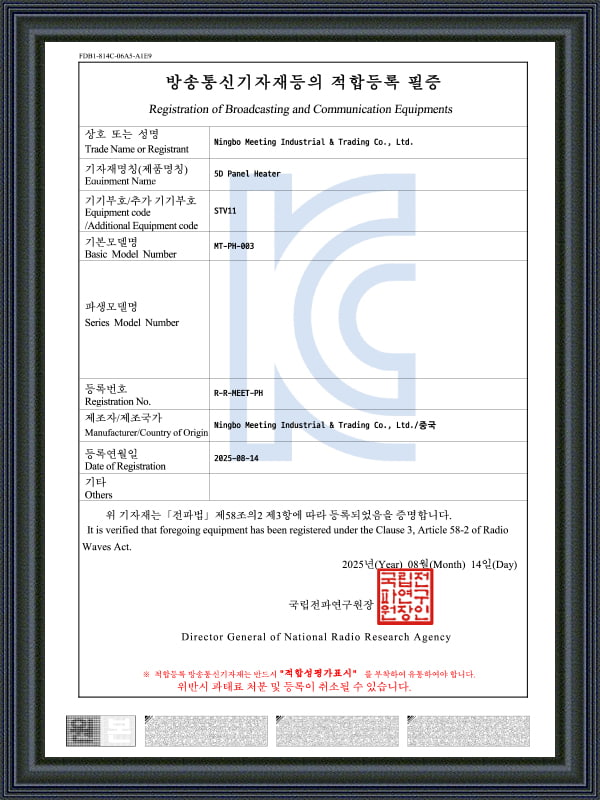
During product development, manufacturing capabilities play a decisive role in balancing comfort, convenience, and safety. Established in 2023, Ningbo Meeting Industrial & Trading Co., Ltd. is a comprehensive manufacturer integrating R&D and production of home appliances. The company operates a production facility spanning approximately 5,000 square meters—covering injection molding, sewing, assembly, and complete unit manufacturing—thereby achieving end-to-end control over the entire process, from components to finished products. This comprehensive production system enables precise control over material selection, structural design, and the consistency of heating components in electric heating pads, thereby enhancing overall product stability.
At the same time, the company focuses on heating and cooling appliances as well as furniture-related electrical products, emphasizing practicality, safety, and market suitability. This positioning drives a design approach that leverages mature manufacturing processes to optimize heat distribution and stabilize temperature control systems, while also addressing the actual needs of users in a home environment—ultimately achieving a balance between comfort and safety.
Comprehensive Balancing Logic
Ultimately, the design of the Home Heating Pad typically employs the following systemic strategies:
- Material Layer: Enhancing comfort
- Structural Layer: Enhancing convenience
- Control Layer: Ensuring safety
- Manufacturing Layer: Ensuring stability and consistency
The synergy of these elements creates the overall user experience: Comfort (Core Experience) + Convenience (Usage Efficiency) + Safety (Foundational Assurance) + Manufacturing Capability (Consistent Output)


 English
 日本語
日本語 한국어
한국어 Deutsch