English
 日本語
日本語 한국어
한국어 Deutsch
In office environments where air conditioning runs year-round, or during winter months with inadequate central heating, workers seated for extended periods regularly experience discomfort from poor lower-limb circulation. The under desk heater product category addresses this precisely — delivering localized warmth to the foot and lower leg zone without conditioning an entire room. This guide breaks down the three primary product formats, their engineering differences, applicable workplace scenarios, and the technical parameters that matter for sourcing decisions.
Six Product Formats at a Glance
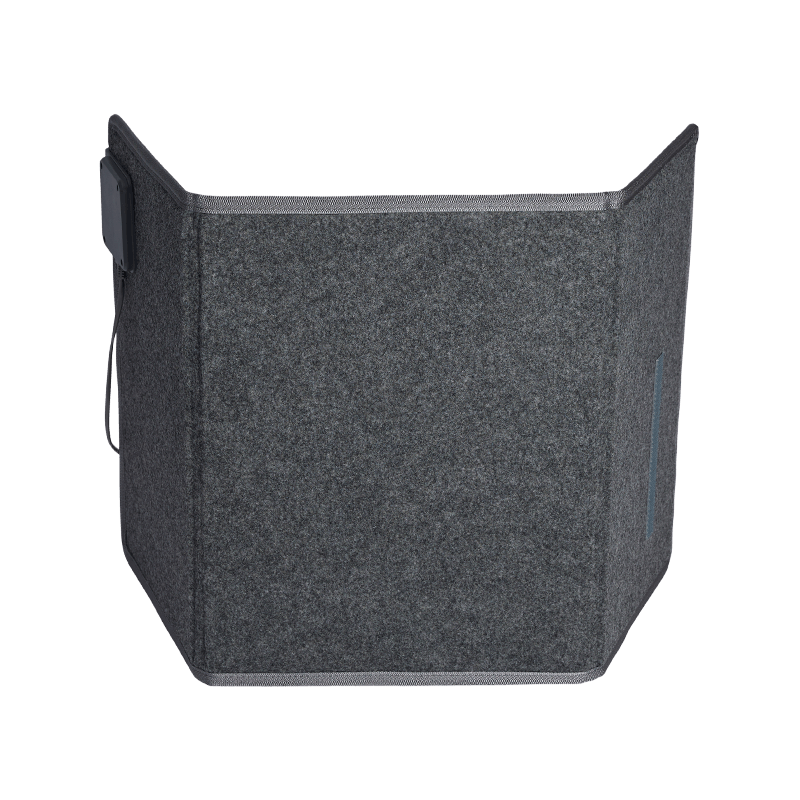
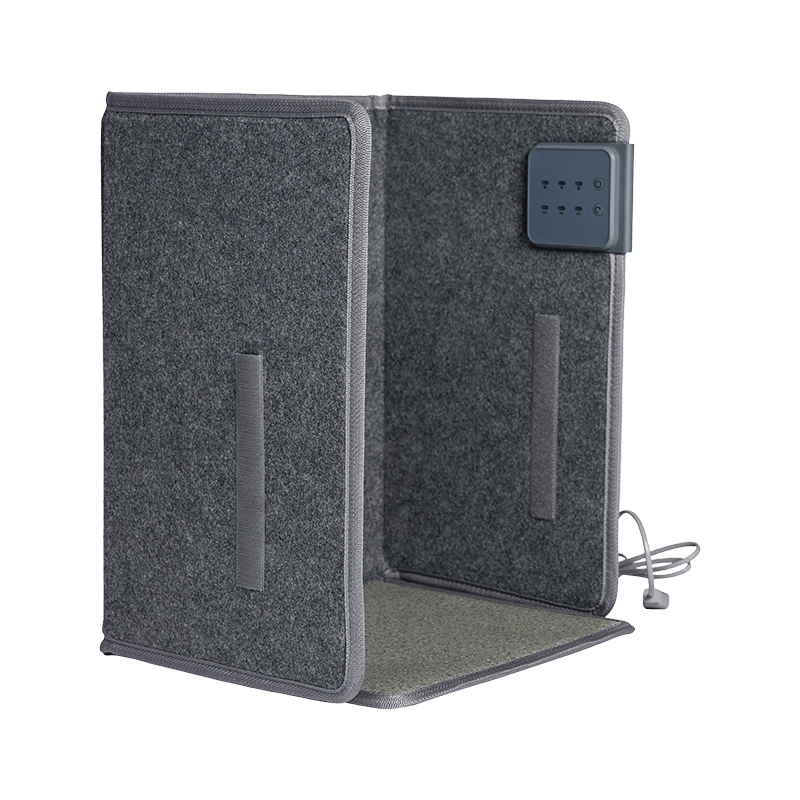
Foot Heater Under Desk
Encloses the foot zone in a heated cavity using PTC ceramic or quartz elements. Heat is concentrated, startup is fast (60–90 s), and power draw stays low at 200–450 W. Ideal for individual workstations in shared offices where one person needs warmth without affecting colleagues.
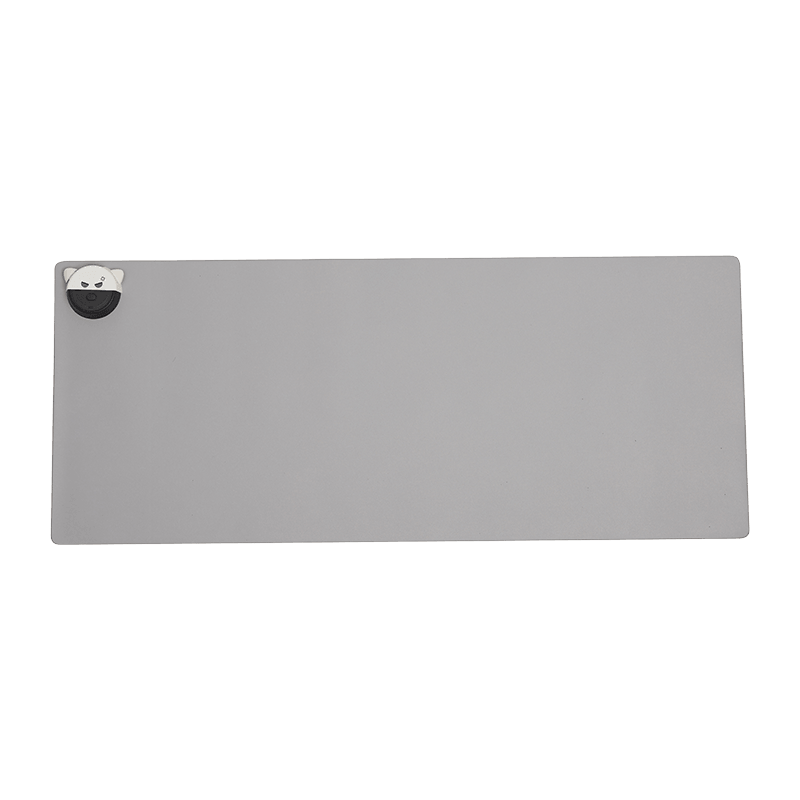
Heated Floor Mat for Under Desk
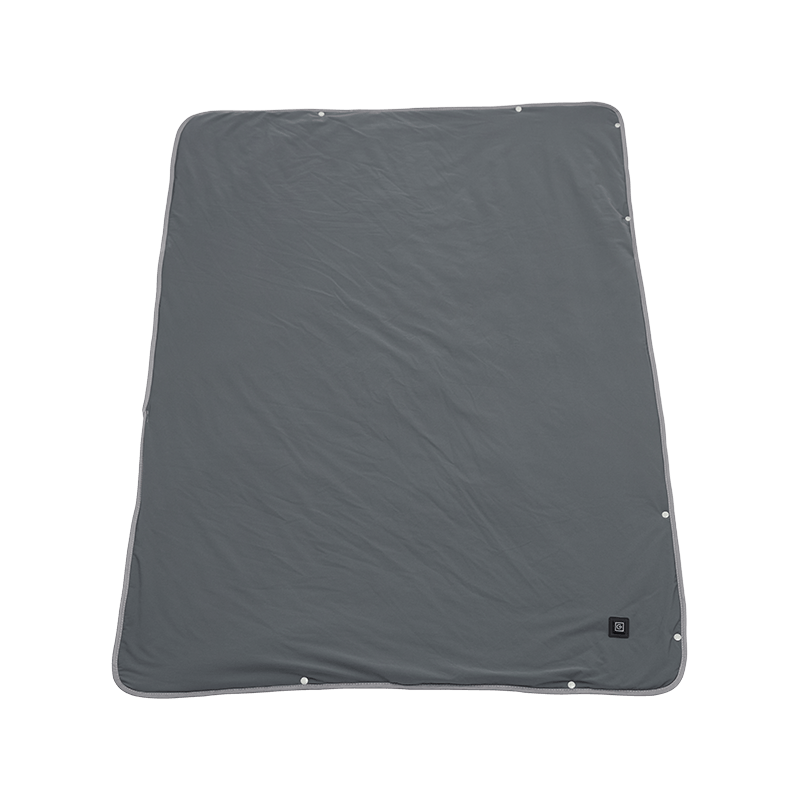
Carbon fibre or resistance-wire elements embedded in a flat mat deliver low-temperature contact warmth (35–55°C surface). No fan, near-zero noise. Suits acoustically sensitive environments — meeting rooms, recording studios, open-plan floors where sound is a constraint.
Under Desk Space Heater
Conditions 1–2 m² of the under-desk micro-climate rather than just the foot zone. Available in PTC ceramic, quartz infrared, and mica plate variants. Power range 400–1,500 W covers everything from a compact corner unit to a full-output pedestal model.
Office Heater for Under Desk
A sourcing-tier classification rather than a distinct product type. Prioritizes certification coverage (CE, ETL, UL), circuit load compatibility, ergonomic placement within standard desk clearance, and materials that do not off-gas in enclosed office airspaces.
Small Heater for Under Desk
Form factor-constrained designs (max height 20 cm, base ≤ 20 × 15 cm) targeting workstations with limited clearance. Power typically 200–600 W — lower wattage is appropriate because the semi-enclosed desk cavity retains heat efficiently.
Custom Under Desk Heater
Manufacturer-level configuration: thermostat range, housing colour, cord length, plug standard, and certification target can all be specified per order. Minimum order quantities typically start at 500–1,000 units for standard tooling, with full tooling customisation from 3,000 units.
Heat Transfer Principles — How Each Type Works
Foot Heater Under Desk
Enclosed cavity — directional forced-air heat
Heated Floor Mat for Under Desk
Radiant contact — uniform surface heat, no airflow
Under Desk Space Heater
Natural convection — heats 1–2 m² micro-climate
Full Technical Comparison — All Five Product Types
| Product Type | Wattage Range | Heat Technology | Surface / Output Temp | Time to Comfort | Noise Level | Typical Dimensions | Best Scenario |
| foot heater under desk | 200–450 W | PTC ceramic / quartz | 60–80°C outlet air | 60–90 seconds | 35–48 dB (fan) | 30×25×20 cm (H×W×D) | Individual private workstation |
| heated floor mat for under desk | 50–160 W | Carbon fibre / resistance wire | 35–55°C surface | 5–15 minutes | Silent (<30 dB) | 45×60 cm to 60×90 cm | Open-plan, acoustically sensitive |
| under desk space heater | 400–1,500 W | PTC / quartz IR / mica | 60–100°C element surface | 2–5 minutes | 25–50 dB (fan model) | 20–35 cm height (varies) | Cold climates, draughty offices |
| office heater for under desk | 400–1,200 W | PTC (preferred for cert.) | Self-limiting PTC: 85–95°C | 2–4 minutes | 30–42 dB | Desk-clearance dependent | Corporate deployment, multi-unit |
| small heater for under desk | 200–600 W | PTC ceramic | 60–75°C outlet air | 90–120 seconds | 32–44 dB | Max 20 cm height, 20×15 cm base | Limited clearance workstations |
(floor mat type)
(space heater type)
(fanless mat types)
(foot heater type)
(floor mat mainstream)
Heating Element Technologies — Engineering Reference
Three distinct element technologies appear across the under desk heater category. Each has a different thermal profile, safety characteristic, and suitability for specific installation conditions.
| Technology | Self-Regulating | Surface Temp at Max | Warm-Up Speed | Residual Heat After Power-Off | Noise | Primary Risk Factor |
| PTC Ceramic | Yes — resistance rises with temperature, current drops automatically | 85–95°C (element); 60–80°C outlet air | Fast | Low (15–30 s) | Fan-dependent | Fan failure disabling auto-regulation |
| Quartz Infrared | No | 700–900°C (tube surface) | Very fast (<10 s full output) | Negligible | Silent (no fan required) | High surface temp — clearance from combustibles critical |
| Carbon Fibre / Resistance Wire (mat) | Partial — thermostat cut-off | 35–55°C surface | Slow (5–15 min) | Medium (1–3 min) | Silent | Coverage by flammable material (rugs, cardboard) |
| Mica Plate | No | 200–400°C (element) | Medium | High (2–5 min usable residual) | Fan-dependent | Brittle element — impact sensitivity during transport |
Sourcing Decision Guide — Match Product to Scenario
Safety Requirements and Certification Standards
Under desk heaters operate in proximity to human occupants, wiring, and combustible furnishings. The following safety requirements are non-negotiable for any under desk heater entering regulated markets. Products without verifiable test documentation against these standards should not be deployed in commercial office environments.
| Certification | Target Market | Relevant Standard | Key Test Areas |
| CE (LVD + EMC) | European Union | EN 60335-2-30 | Electrical safety, EMI/EMC, heating element endurance |
| ETL Listed | United States / Canada | UL 1278 / CSA C22.2 No.46 | Fire resistance, tip-over response, leakage current |
| UL Listed | United States | UL 1278 | Identical scope to ETL; separate test facility |
| GS Mark | Germany (preferred) | EN 60335-2-30 + GPSG | Enhanced mechanical durability, housing flammability |
| SAA / RCM | Australia / New Zealand | AS/NZS 60335.2.30 | Electrical safety, restricted supply registration |
| PSE (diamond type) | Japan | DENAN (Electrical Appliance Safety Law) | Mandatory for specified electrical appliances |
Installation and Placement — Technical Guidelines
Recommended Clearance Zones — Under Desk Space Heater
Minimum 30 cm horizontal clearance to all combustible materials; 25 cm vertical clearance to desk underside
Frequently Asked Questions
-
A foot heater under desk encloses the foot zone in a heated cavity, concentrating warmth directly on the user's feet and ankles. Power draw is low (200–450 W) and heat is not distributed beyond the immediate foot area. An under desk space heater instead conditions the broader micro-climate beneath the desk — typically 1–2 m² — using convection or radiant heat. It draws more power (400–1,500 W) and warms the air around the legs and lower body rather than the feet specifically.
-
Most heated floor mat for under desk products are tested for use on hard floors and low-pile carpet. The mat surface must never be covered by another rug, mat, or combustible material, as this insulates the heating element and causes the surface temperature to exceed the rated maximum. Always verify the product's rated substrate compatibility in its test certification documentation before deploying on high-pile carpet or underfloor foam padding.
-
For the United States, an office heater for under desk requires either a UL Listed or ETL Listed mark against UL 1278 (portable electric space heaters). Canada additionally requires CSA C22.2 No.46 compliance. Products sold through US retail channels without one of these marks may be blocked by major distributors' compliance policies. For corporate procurement, facilities managers typically require formal test reports in addition to the listed mark.
-
A small heater for under desk rated at 400 W, running 8 hours per day, consumes 3.2 kWh daily. At a typical commercial electricity rate of USD 0.12/kWh, that amounts to approximately USD 0.38 per day or USD 8.40 per month per unit. Thermostatic control reduces actual running time: a PTC model with an integrated thermostat in a partially enclosed desk environment typically cycles at 40–60% duty, halving effective consumption to 1.5–2.0 kWh per day.
-
Yes. Manufacturing-level customisation for under desk heater products routinely includes plug type (Type A/B for North America, Type C/E/F for Europe, Type G for UK, Type I for Australia), cord length, rated voltage (110–120 V or 220–240 V), and market-specific certification labelling. These parameters are confirmed at the product specification stage, before tooling. Products already in production can have the cord and plug changed without retooling the housing, provided the certification covers the target market's voltage and plug standard.
-
Standard MOQ for under desk heater OEM production using existing tooling ranges from 500 to 1,000 units per SKU, depending on the product type and target certification market. Custom housing tooling (new mould) requires a minimum of 3,000 units to amortise tooling cost within a commercially viable unit price. Custom colour, logo, and packaging changes on existing tooling can often be accommodated from 500 units with no additional tooling fee.
Direct Factory Supply — Under Desk Heater Manufacturing
As a specialist manufacturer of under desk heater products — including foot heater under desk, heated floor mat for under desk, under desk space heater, office heater for under desk, and small heater for under desk configurations — we supply importers, distributors, and facility procurement teams directly from our production facility.
All products ship with current certification documentation. Multi-market certification (CE + ETL, or CE + SAA) is available on standard models. Custom specification — including thermostat range, housing colour, cord length, plug standard, and packaging — can be confirmed within the standard sampling lead time.
Request product specifications, test reports, or a factory quotation via the contact form on this page.