Content
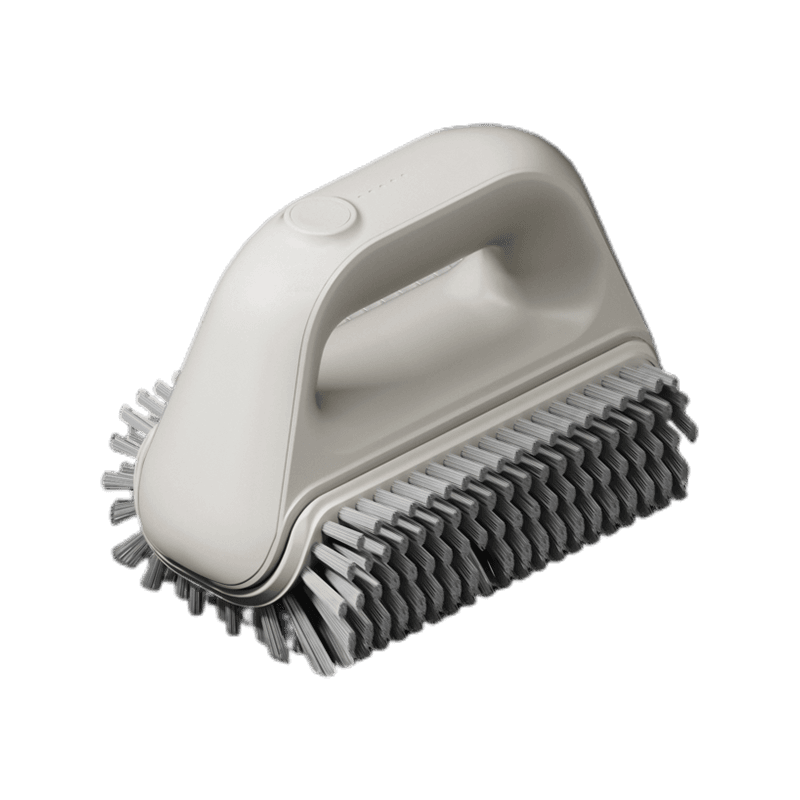
An electric cleaning brush uses a small motor to spin or vibrate a brush head at speeds ranging from roughly 170 RPM up to 2,000 RPM, replacing the repetitive hand pressure of manual scrubbing with consistent mechanical force. This makes it especially effective on grout lines, tile corners, and other textured surfaces where dirt sits below the surface and resists a simple wipe-down. The result is less physical effort, more consistent cleaning pressure across the whole surface, and noticeably faster results on stubborn buildup like soap scum, hard water deposits, and baked-on grime.
Not every electric cleaning brush is built the same way, though — RPM, torque, waterproofing, and brush head design all affect how well a specific model performs on a specific surface, which is what the rest of this guide breaks down.
RPM (rotations per minute) gets the most attention in product listings, but torque — the rotational force behind that speed — often matters more for actually loosening embedded dirt. A brush spinning at high RPM with low torque tends to skim across the surface, polishing rather than digging into grime, while a lower-RPM motor with strong torque can drive bristles deeper into grout channels and break up caked-on residue more effectively.
This is why many mid-range models intentionally run at a moderate 220-300 RPM paired with several newton-meters of torque, rather than chasing maximum speed. Higher-end models push into the 800-2,000 RPM range, typically aimed at users who want faster results on large areas or particularly stubborn buildup, often with multiple speed settings so the brush can be dialed down for delicate surfaces.
The table below summarizes the typical spec ranges found across cordless electric cleaning brushes on the market today.
| Spec | Typical Range | What It Affects |
|---|---|---|
| Rotation speed | 170 - 2,000 RPM | Cleaning speed and surface polishing |
| Torque | Up to 2.5 N·m (~22 in-lb) | Ability to loosen embedded/dried grime |
| Waterproof rating | IPX7 (common standard) | Safe rinsing or brief submersion in water |
| Battery runtime | 180 - 210 minutes per charge | How long you can clean before recharging |
| Brush head count | 2 - 12 heads | Range of surfaces the tool can clean |
An IPX7 waterproof rating is the most common standard in this category, and it means the body can typically be submerged in about one meter of water for up to 30 minutes — enough for direct use in a sink, shower, or bathtub, though most manufacturers still advise against fully submerging the entire handle including charging ports.
Brush head shape and bristle material matter as much as motor specs, since the wrong head can either fail to clean effectively or damage the surface.
On soft, porous stone like marble or limestone, using the lowest available speed setting with the softest brush head reduces the risk of etching or dulling the surface finish over repeated use.
While grout and tile cleaning are the most common use case, the same interchangeable-head design extends the tool's usefulness across the home:
For light, routine maintenance cleaning, a lower-RPM model (170-300 RPM) with moderate torque is usually sufficient and easier to control for extended use. For deep, infrequent cleaning of neglected grout or heavy mineral buildup, a higher-RPM model (800 RPM and above) with dual-bearing motor construction cuts through stubborn grime faster, though it typically comes at a higher price point and a heavier tool body. Handle design also affects usability: an extendable pole (commonly around 50 inches) with an angled brush head lets you clean floor grout and low tile lines while standing upright, which meaningfully reduces the back and knee strain associated with traditional manual scrubbing.
Cleaning has traditionally been one of the most time consuming and physically demanding tasks in both household and commercial settings. Whether it involves scrubbing floors, vacu...
READ MOREYou unbox your new electric blanket, spread it on the bed, and then stop. Which side goes up? It is one of the most common questions for first-time users, and for good reason. The...
READ MOREYou settle onto the couch on a cold winter evening, blanket spread across your lap, and hesitate before reaching for the plug. How much electricity will this actually use? Most he...
READ MOREChoosing the Right Handheld Cooling Fan: Quick Answer The best handheld cooling fan for most people is a rechargeable, dual-blade or bladeless model with at least 3 speed settings...
READ MOREThe first time you wash a heated blanket, the process feels slightly risky. You are placing a product filled with wires into water, and a mistake can shorten its lifespan or damag...
READ MORE




 English
 日本語
日本語 한국어
한국어 Deutsch